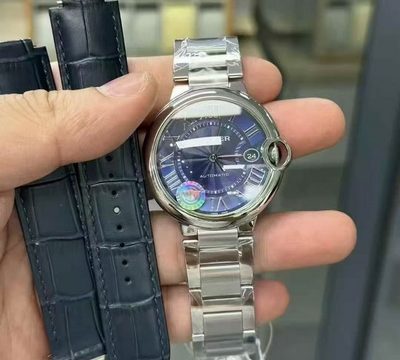
There is a well‑known saying in the jewellery industry that “a diamond is forever”. In the watch‑making industry, it is no exaggeration to state that metal bracelets — mainly crafted from gold, steel, titanium and platinum — have long enjoyed a similar reputation. Yet this perception is not entirely accurate. In recent years, rubber watch straps have undergone continuous development, and their high added‑value has brought them on a par with metal bracelets. In terms of strength, durability, design creativity, functional performance and even development costs, rubber is evolving into an increasingly valuable material.

In the world of watch‑making, no one can deny the central role played by Biwi in the gradual evolution of rubber straps. This family‑owned firm based in Glovelier, Switzerland, has earned the respect of well‑established brands across the industry. Prudence appears to be one of its key characteristics. Little public information is available about the main brands supplied by Biwi. However, Richard‑Mille has long maintained a productive partnership with the company, yielding outcomes such as a transparent rubber watch strap that took two years to develop.
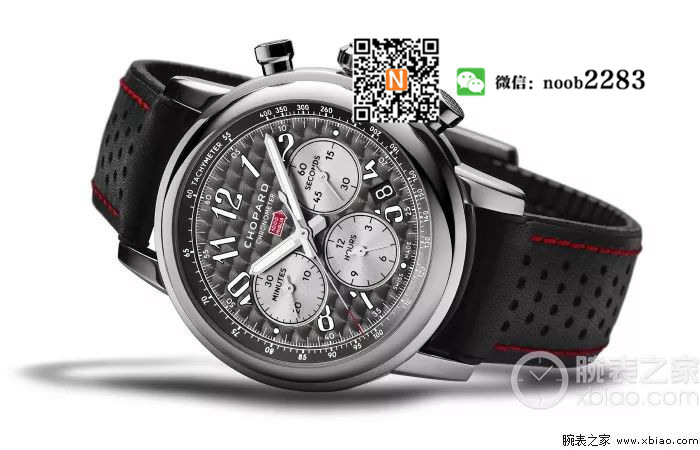
Chopard Mille Miglia Race‑Edition Watch
Rubber watch straps have achieved such high‑profile recognition and technical accomplishments for two main reasons: plasticity and compatibility. Plasticity covers shape, material and colour, together with antibacterial and odour‑resistant treatments. Virtually anything is possible. Compatibility also opens up endless creative possibilities. For instance, the Hysek Kilada 41‑mm stainless‑steel automatic chronograph features an “H” inlay embedded into its rubber strap as a tribute to the brand’s logo. These “H” inserts are available in different materials including steel, titanium or gold, depending on the specific model.
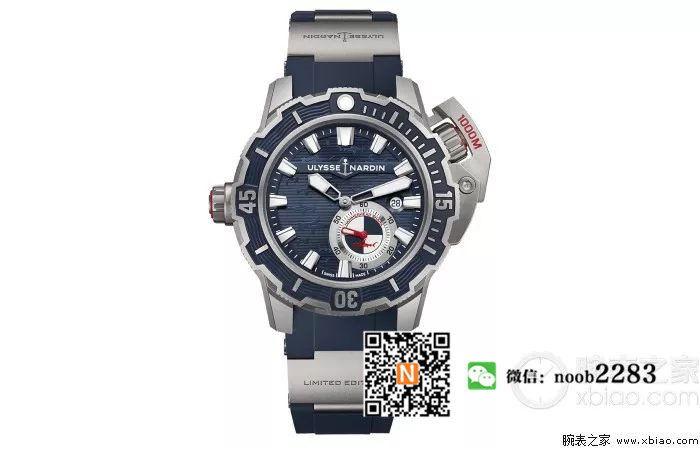
Ulysse Nardin Diver Deep Dive 1000‑meter Dive Watch
Another major characteristic of rubber is its close connection with automobile tires, a link that applies to nearly all watch‑making brands drawing inspiration from the automotive world. Chopard is widely regarded as a pioneer in this field. Its most iconic example is the strap shaped with the exact same profile as 1960s Dunlop tyres. Back then, Dunlop tyres were considered the finest on the market, and they were fitted to the car collection of Karl‑Friedrich Scheufele’s father, Karl Scheufele. In 1995, Chopard set out to recapture the spirit of that era through its Mille Miglia collection.
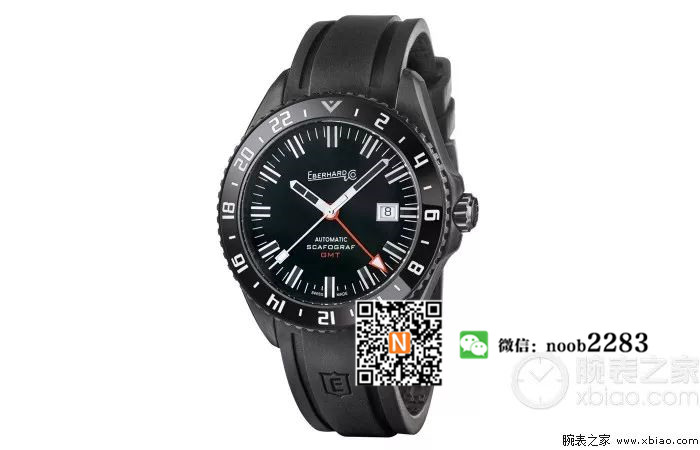
Eberhard & Co. Scafograf GMT “The Black Sheep” Watch
Two years later, another Geneva‑based manufacturer, Patek Philippe, put this concept into practice. The brand created the well‑known “Tropical” strap exclusively for its Aquanaut watch collection. Development of this strap took more than one year, and its production involves several specialized stages using a wide range of machinery, including a 150‑tonne press.
The latest example of the fusion between tires and watch straps comes from Roger Dubuis. As part of their partnership, Roger Dubuis produces straps made from the exact same tire material fitted to Pirelli‑equipped race cars. Within this highly exclusive collection, each timepiece corresponds to one of Pirelli’s seven iconic colour schemes. The line‑up even includes the Excalibur Spider Pirelli Sottozero watch, whose strap is set with titanium studs as a nod to Pirelli’s well‑known winter snow‑tire range.
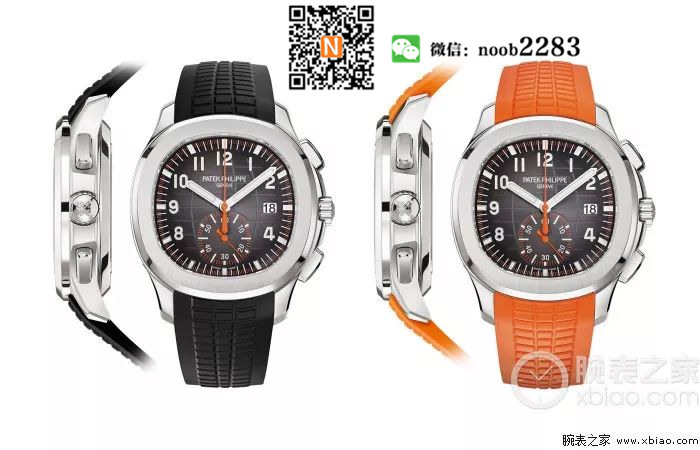
- Patek Philippe Aquanaut with “Tropical” Strap
Rubber watch straps are evolving rapidly, yet, being a relatively new development, they still offer enormous room for exploration. One possibility is the integration of luminescent materials. Another lies in optimizing strength and thickness to create high‑performance ultra‑thin rubber straps, matching the philosophy of ultra‑slim watches. For instance, straps made by Richard‑Mille can withstand a traction force of 20 kilograms.
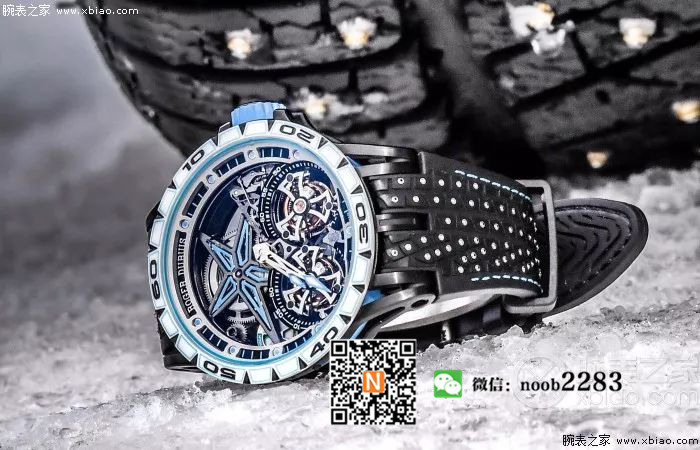
Roger Dubuis Excalibur Spider Pirelli Sottozero Watch
Ultimately, there is no doubt that metal bracelets will follow another major trend: customization. We can expect to see certain colours not yet found in brands’ usual colour palettes (the exact shades will depend on customer demand), inlays of more or less exotic materials — sand from Saint‑Barthélemy, Havana cigar leaves, crude oil from the United Arab Emirates — and never‑before‑seen shapes such as rubber cuffs. The prospects are very broad, yet for the time being, rubber‑strap manufacturing remains in the hands of subcontractors. Growing interdependence may change this situation, and we could witness related mergers and acquisitions in the future.