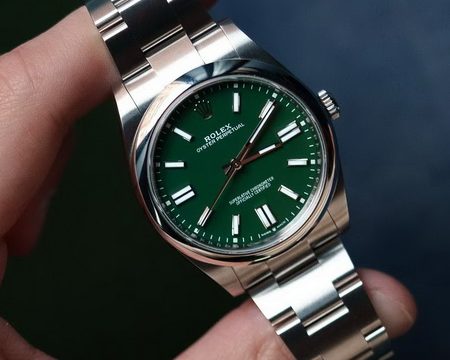
Many people hold misconceptions regarding watch water‑resistance. Some buyers purchase a watch marked 30‑metre water‑resistance from a watch shop and happily go diving, only to face the embarrassing situation of water intrusion at less than 4 metres. This issue is particularly common among replica watches.
Water‑resistance ratings are tested under laboratory conditions: both the watch and water remain static with a constant temperature. A timepiece marked 30‑metre water‑resistance is generally only suitable for daily‑life scenarios such as hand‑washing and face‑washing. A 50‑metre water‑resistant watch can withstand rinsing under cold running water but must not be submerged for extended periods.
For casual swimming in a swimming pool, a minimum 100‑metre water‑resistance rating is required, though deep diving is still not permitted. Professional diver watches typically feature 300‑metre‑plus water‑resistance. Furthermore, genuine professional diver watches demand far more than merely excellent water‑proof performance.
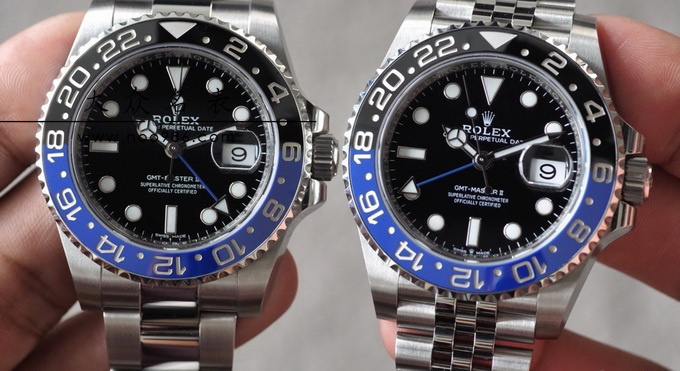
When a watch suffers water ingress, most people send it directly to official service centres. Repair costs vary greatly depending on individual circumstances.For mid‑range watches still under warranty with minor water damage, repairs may cost a few hundred currency units. However, servicing traditional Swiss watches can easily run into thousands. If the watch is out of warranty or has sustained severe water damage requiring movement replacement, repair expenses will multiply significantly.
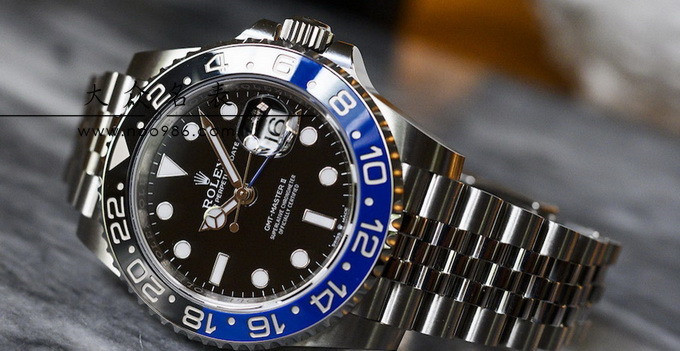
A watch is a precision mechanical device. Whether water ingress will harm its components depends on how severe the water damage is and the watch’s water‑resistance performance.
Condensation fog only on the watch crystal usually indicates minor water intrusion. If the watch starts running slow, stops entirely, or develops other malfunctions, internal components have likely been affected. Water inside a mechanical watch oxidates critical parts such as the balance spring and gears, leading to reduced timekeeping accuracy or complete failure.
Therefore, always choose a reliable diver‑style watch for water‑related activities to avoid property loss. Even with a diver watch, avoid showering (cold‑water showers excepted) or sauna sessions. A watch case is not perfectly hermetic. Water‑resistance does not equal resistance to water vapour. Water‑vapour molecules are extremely tiny and float within ambient air. Sealing relies on rubber gaskets that block gaps between the case‑back and watch case. Sharp temperature fluctuations create pressure differences, forcing moisture‑laden air inside the watch. Moreover, water accelerates rubber gasket ageing, degrading sealing performance and ruining water‑resistance. (This question is frequently raised by watch enthusiasts who enjoy hot‑spring bathing.)
If water ingress is mild and only condensation fog appears beneath the watch crystal, wrap the watch tightly with several layers of tissue paper or highly‑absorbent flannel cloth. Bake it roughly 15 centimetres away from a 40‑watt light bulb for about 30 minutes to dispel moisture. Never hold the watch crystal close to open flame for direct heating, as heat may deform the crystal. It is recommended to pull out the crown to halt the watch movement, so trapped moisture can escape. Otherwise, vapour will remain trapped inside the case.
Silica‑gel desiccant beads offer another solution for minor water intrusion. Place the water‑affected watch together with granular silica‑gel desiccant inside an air‑tight container. After several hours, take out the watch; accumulated moisture will have vanished. This simple, cost‑effective method causes no harm to the watch’s timekeeping accuracy or service life. Saturated silica‑gel can be regenerated by drying at 120 °C for several hours for repeated reuse.
Reverse‑wearing the watch is another makeshift trick. Wear the watch backwards on your wrist, crystal facing inward and case‑back outward. Moisture may dissipate within two hours without opening the watch case. Remember to unscrew and pull out the crown fully to allow vapour to vent out.
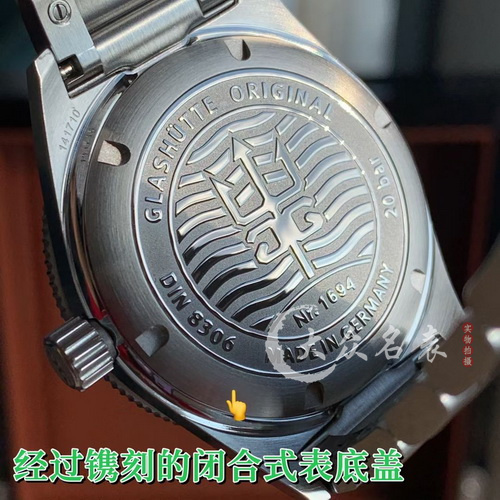
If none of the three methods above can eliminate internal moisture, promptly send the watch to a professional watch‑repair shop to remove residual moisture from the movement and prevent component rusting.