Perpetual calendar ranks among the most fascinating complicated watch functions. Watching the display windows flip or hands jump from one position to another offers a tangible sense of time passing and the preciousness of fleeting moments. The Chinese language excels at abstraction, and the term “wàn nián lì (perpetual calendar)” serves as a perfect example. It is known as Quantième perpétuel in French and “perpetual calendar” in English, literally meaning “ever‑running calendar”, which almost sounds like a slogan for Rolex.
Beyond “eternal”, the word perpétuel / perpetual also carries the meaning of “cyclical, recurring”. Therefore, the Western naming is technically precise, referring to a continuously cycling calendar mechanism. By contrast, the Chinese term sounds far more imposing, literally implying “ten‑thousand‑year calendar”. You are welcome to test it yourself — if you live long enough to see ten thousand years go by.
Why is it named a “perpetual calendar”? Can a perpetual‑calendar watch really run for ten thousand years? To clarify this concept, we need to go back to the very beginning.
In 46 B.C., 2066 years from the present, Julius Caesar of the Roman Republic decreed a standardized calendar. For the first time, it adopted twelve months, alternating between 30 and 31 days. Only February had 29 days, with an extra day added every four years — thus the Julian Calendar was born.
This calendar created plenty of work for astronomers, mathematicians, and later watchmakers. In that sense, all watchmakers and indeed the entire watch industry owe their livelihood to Caesar. This livelihood has lasted for 2066 years already and will continue far into the future.
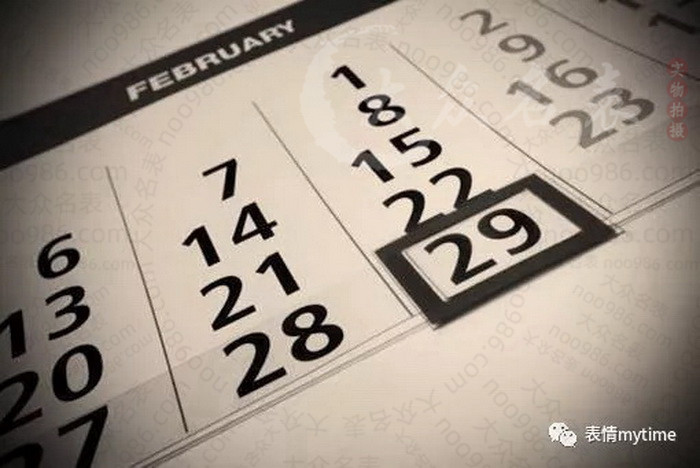
After Caesar’s death, the month of July was named after him (Julius). A few years later, Caesar’s adopted heir, Emperor Augustus, issued a calendar reform edict. He renamed August, the month following July (“Caesar’s month”), after himself, Augustus.
Since the Romans regarded 31‑day months as auspicious, he subtracted one day from February and added it to August. To avoid having three consecutive 31‑day months, he also swapped the lengths of September and October, as well as November and December. Astronomers, mathematicians, and later watchmakers rejoiced once more, praising the emperor’s wisdom.
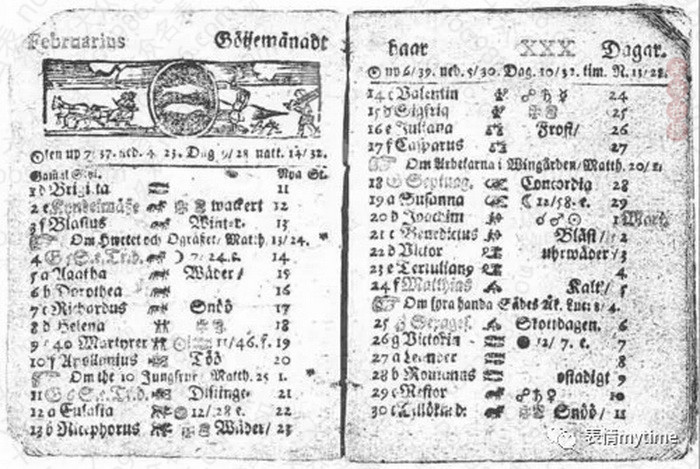
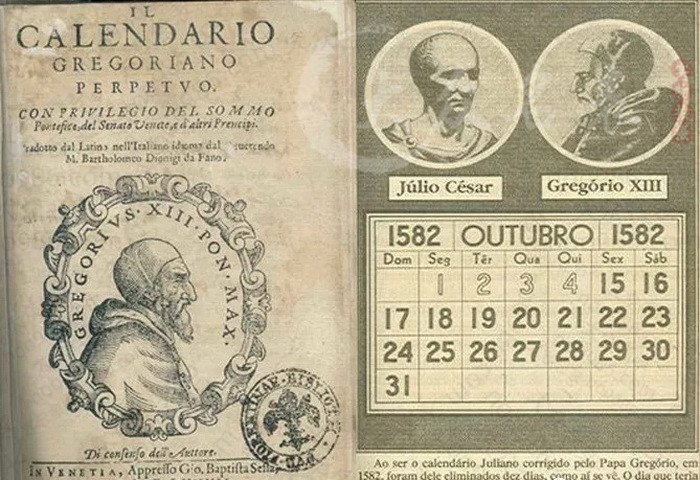
Nevertheless, the resulting average year under the Julian Calendar was longer than the solar year. By 1582, this cumulative discrepancy had amounted to ten full days.
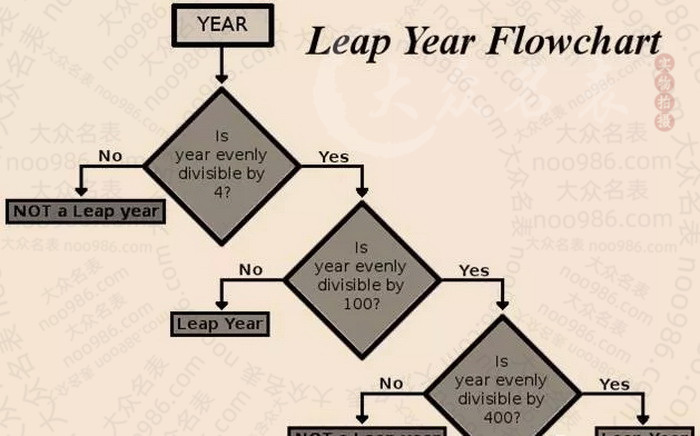
Pope Gregory XIII therefore fine‑tuned the calendar. Under the Gregorian Calendar, leap‑year status is cancelled for years divisible by 100, creating what can be called “non‑leap leap years”.
This adjustment went slightly too far, so further refinement was added: years divisible by both 100 and 400 would regain their leap‑year status.
For instance, the year 2000 is divisible by 100, which would normally make it a “non‑leap leap year”. Yet since it is also divisible by 400, leap‑year status is restored. Once again, watchmakers had reason to rejoice, thankful for Pope Gregory XIII’s vital adjustments.
However, the next “non‑leap leap year”, 2100, will not be so fortunate. Mechanical perpetual‑calendar watches built on the four‑year leap‑year cycle will fail collectively, with their perpetual‑calendar mechanisms falling completely out of sync.
This puts to rest the myth that a “perpetual calendar” watch can truly function for ten thousand years.
“As long as a time‑related pattern can be defined, it can be displayed by a mechanical watch.” Many years ago, when discussing complications with Martin Braun, he spoke about perpetual calendars in this casual, understated tone.
Watchmakers, just like ordinary people, live in the present. Therefore, minor century‑ and 400‑year calendar corrections can be set aside first. A perpetual‑calendar mechanism is built around the four‑year leap‑year cycle. Its core task is to correctly render four different month durations (28, 29, 30 and 31 days) within a four‑year span, namely 48 months. The actual physical implementation is left to a set of interlocking gear conversions.
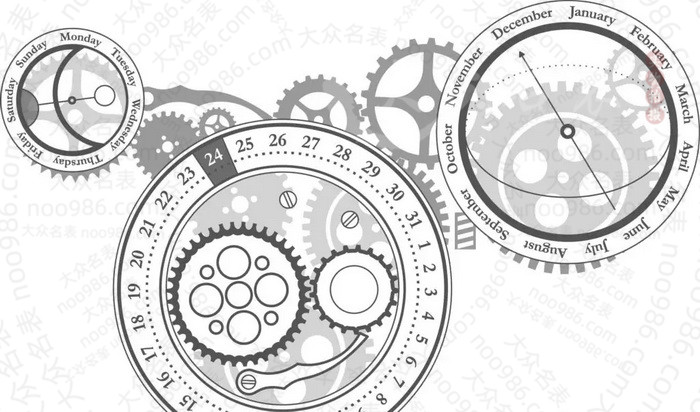
Most perpetual‑calendar watches operate on broadly similar principles. A 48‑tooth month‑program cam completes one full rotation every four years, advancing one notch per month. Around its circumference, teeth of varying depths correspond to months of different lengths and define each month’s final date. The rest of the work is handled by conventional gear trains.
Mechanisms of this kind gradually took shape back in the 18th‑century pocket‑watch era. Evolving through shelf clocks, pocket watches and wristwatches, this remains the most widely‑adopted technical solution today.
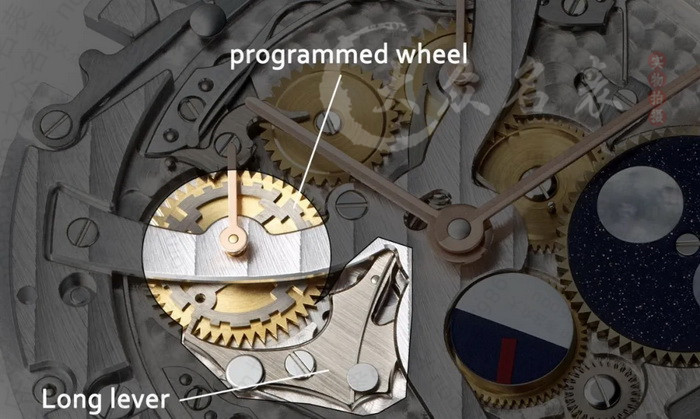
Traditional perpetual‑calendar constructions relying on gears and levers only advance forward and cannot run backward, which creates certain unavoidable drawbacks. For instance, you cannot turn the setting back if you overshoot the target date during adjustment.
In 1996, after centuries of relative stagnation, perpetual‑calendar watchmaking saw a major breakthrough. Under the direction of gifted mechanical‑construction specialist Ludwig Oechslin, Ulysse Nardin released the first perpetual‑calendar wristwatch built with an all‑gear system.
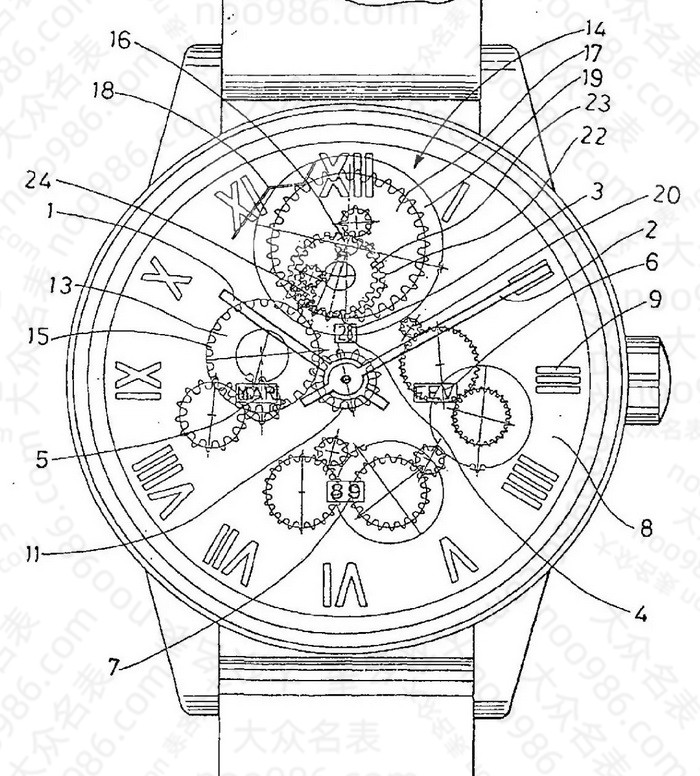
Within this movement module known as the Ludwig Perpetual Calendar, planetary‑gear technology replaced the classic gear‑and‑lever layout. All transmission components are gear‑interconnected. Planetary gears are embedded in the main program cam that differentiates month lengths, delivering precise programmed logic to govern 28‑day, 29‑day, 30‑day and 31‑day month displays.
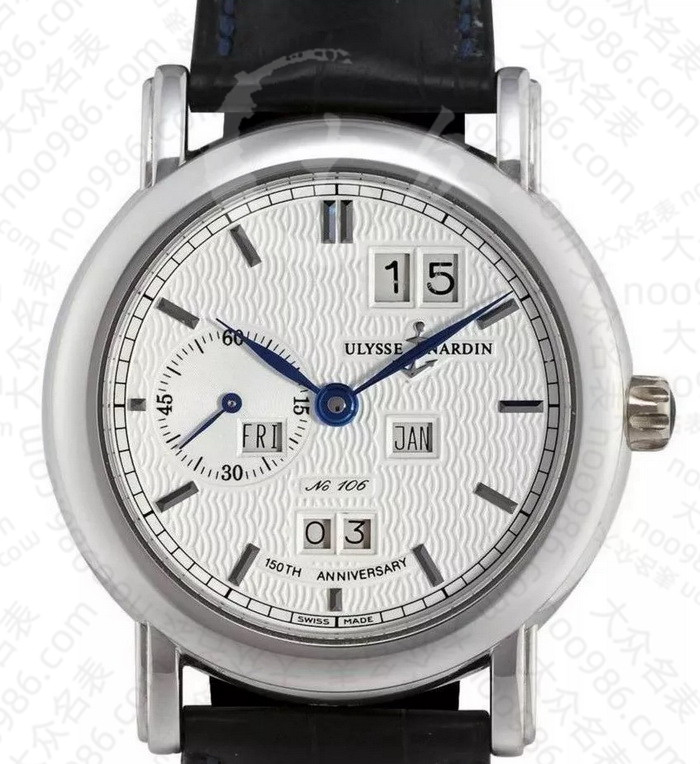
Compared with conventional gear‑and‑lever‑based perpetual calendars, the all‑gear perpetual calendar brings the key advantage of unrestricted forward and backward adjustment. It can recreate calendar displays for any past date: your birthday, anniversaries, turn‑of‑the‑century moments, or let you peek at how the calendar will flip on some future day.
Naturally, it also has drawbacks. Most notably, it cannot deliver the crisp, sharp calendar jump found on gear‑and‑lever models. On February 28 in a common‑year for example, the all‑gear perpetual calendar may briefly show the 29th around 10 p.m., then the 30th at 11 p.m., and even flash the 31st, before finally advancing to March 1 around midnight.
Today’s market offers a wide range of perpetual‑calendar watches with vast price gaps, reaching virtually unlimited highs depending on brand, design, mechanism and craftsmanship. At the lower end, models start above 80 000, roughly the cost of a high‑end solid‑gold watch.
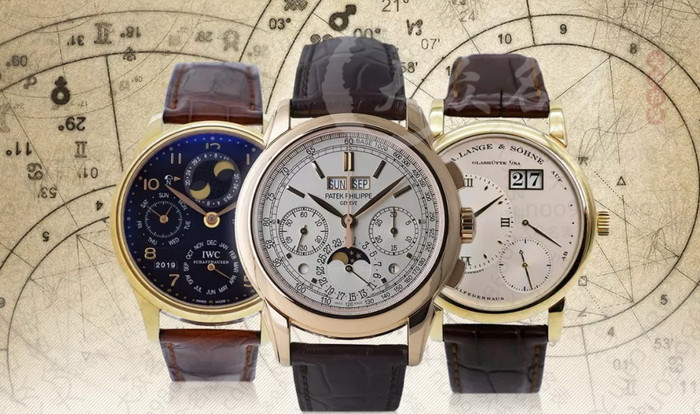
Listed below are several perpetual‑calendar timepieces I personally admire. Each one is remarkable and ranks among my “heroes of perpetual‑calendar watchmaking” — purely my personal opinion.
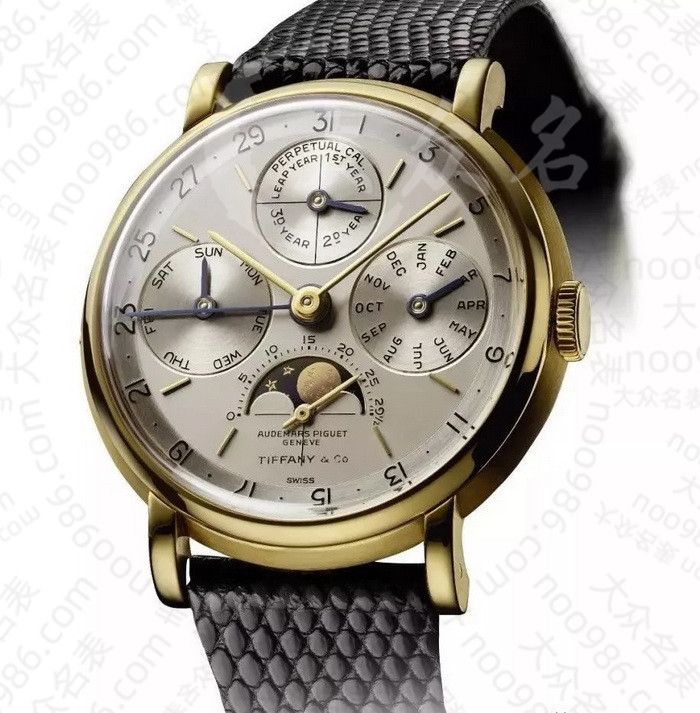
From 1955 to 1969, Audemars Piguet produced the reference 5516, the first perpetual‑calendar watch with a leap‑year indicator on the dial. Before this innovation, perpetual‑calendar watches carried no leap‑year marking on their dials. In practical terms, you had to keep the watch continuously worn. If it stopped for a long period, you would lose track of the current year and have to send it back to the factory for recalibration.
Beneath this lay an unspoken mindset: most watchmakers were far less wealthy than their perpetual‑calendar customers. From the maker’s perspective, anyone who could afford such an exorbitantly priced complication would surely wear it non‑stop. Leaving it idle would be nothing short of wasting a treasure. This brand practice subtly reflects a “poor‑man’s logic” that failed to understand the real world of the affluent.
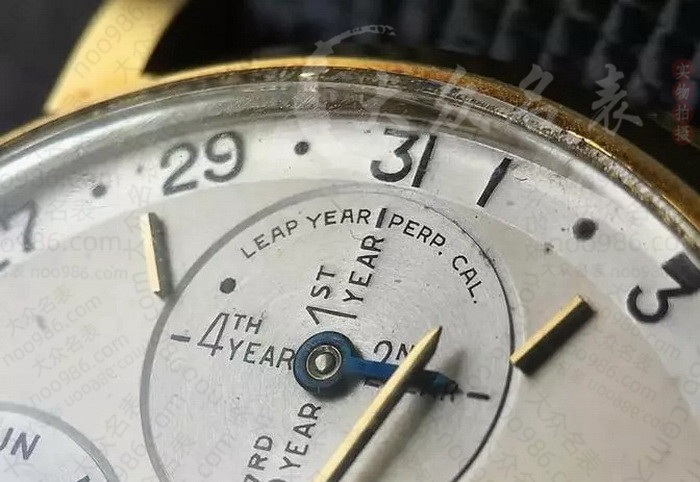
Audemars Piguet was the first brand to truly embrace a “Luxury Mind”. From its perspective, customers purchasing perpetual‑calendar watches typically owned multiple timepieces, and even an ultra‑costly perpetual calendar would only be worn on occasion. A dial‑based leap‑year indicator made manual calendar adjustment far more convenient.
Nevertheless, production of this AP reference remained extremely limited, reportedly totaling only nine pieces. Though I am convinced Phillips Auction House could dig up a tenth, or even an eleventh example if circumstances called for it. Even so, it hints at how exorbitantly priced perpetual calendars were back then, how few wealthy collectors existed, or perhaps how frugal the wealthy of that era could be.
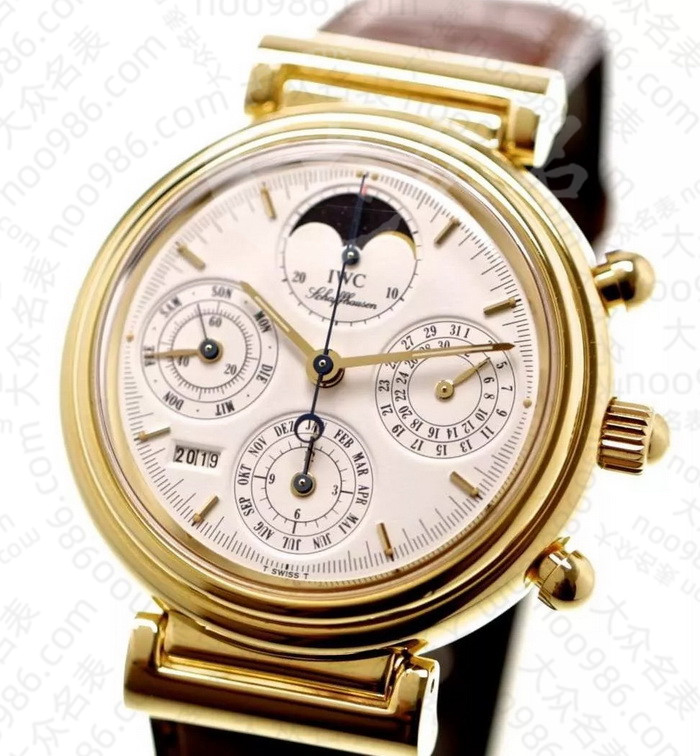
In 1985, IWC unveiled its first Da Vinci Perpetual Calendar at Basel Watch Fair. Led by Kurt Klaus, the design team added a complication module onto the Valjoux 7750 base movement, creating the first mass‑producible perpetual‑calendar chronograph. In my view, this marked a watershed moment for perpetual‑calendar complications within the watch industry.
Prior to this release, perpetual calendars stood on equal footing with minute repeaters and split‑seconds chronographs as the three great traditional haute horlogerie complications. Afterwards, both its technical prestige and luxury status declined rapidly, yet it gained far wider accessibility. It became the most approachable among classic high‑end watch complications — even I could afford one!
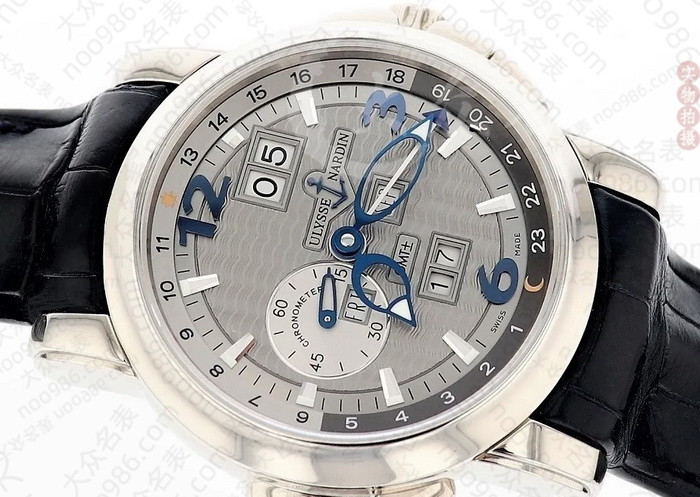
In 1996, Ulysse Nardin launched the Ludwig Perpetual Calendar, followed later by its GMT± Perpetual‑Calendar variant. This is the perpetual‑calendar watch I have worn and shown most frequently. Every time I demonstrate it, it astonishes onlookers: I can swiftly set it to a date long before my own birth within just a few minutes.
That is the strength of the all‑gear perpetual‑calendar mechanism, and one of its most captivating charms — it can recreate dates from the distant past and also preview dates far into the future.
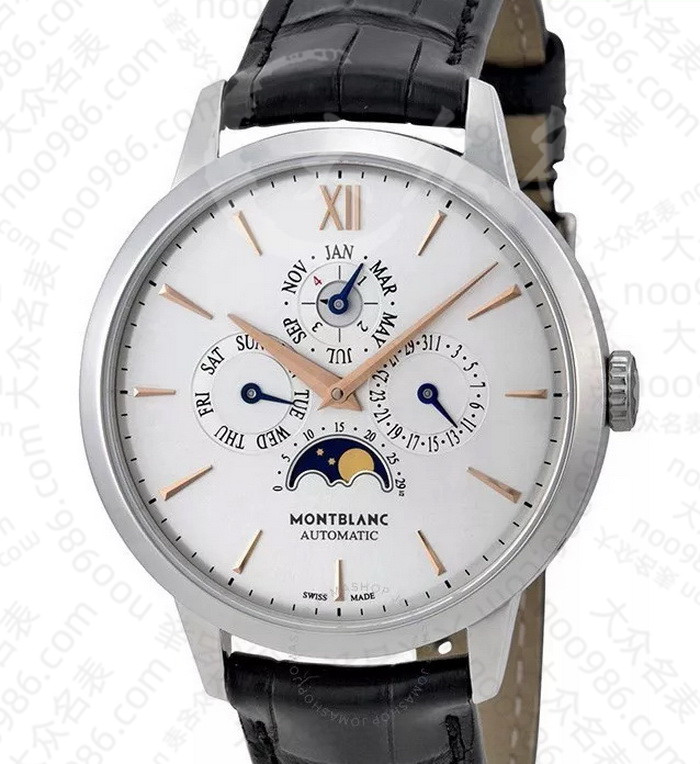
In 2014, Montblanc unveiled its Heritage Perpetual Calendar at SIHH, with the steel‑cased version priced below 100 000. Other brands soon followed suit, such as Frederique Constant, whose in‑house‑movement perpetual‑calendar steel watch retailed for under 90 000.
Still, I most admire Montblanc’s efforts. A new all‑gear perpetual‑calendar model was also in the pipeline, set to benefit a broad community of watch enthusiasts. To my mind, someone who commutes by bus and subway wearing a Montblanc perpetual‑calendar every day lives a hundred‑fold more luxurious and joyful life than a collector who keeps a dozen high‑priced perpetual‑calendar watches locked inside a safe and never dares to wear them.