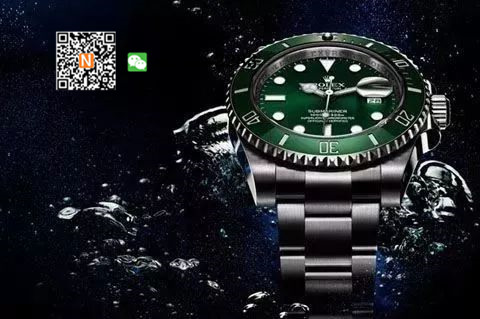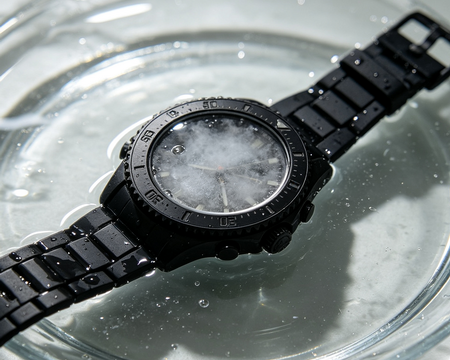

When it comes to the most popular style of sports watches today, the answer is undoubtedly the diver’s watch. Boasting a striking appearance and versatile styling, it fits a wide range of occasions. Whether for casual daily wear or business banquets, a diver’s watch brings a distinctive flair to any outfit.

Divers’ watches win public favor not only for their versatile aesthetics but also for their robust functions, which fuel their enduring popularity. The “diver‑watch” designation is closely tied to the helium escape valve. In other words, it is thanks to this valve that people can wear their timepieces for deep‑sea dives and experience the allure of the ocean.
Helium Escape Valve
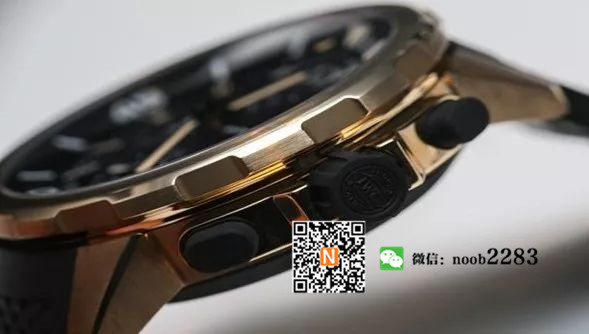
The helium‑escape valve is a component generally found only on diver’s watches, though not all diver’s watches are equipped with one. Most helium‑release mechanisms are externally operated on the watch case. Some models integrate the mechanism inside the case. For instance, IWC’s case‑integrated helium‑release system leverages the differing ductility of various metals under pressure to create gaps allowing helium to flow in and out of the case. This achieves helium venting without a dedicated helium‑escape valve.
Purpose of Helium Venting
For deep‑sea operations, divers must wear oxygen tanks or stay inside diving bells. Under the high pressure of the deep ocean, helium molecules easily penetrate the watch case, equalizing the internal pressure with the external ambient pressure. As divers ascend, the surrounding pressure drops with decreasing depth. However, trapped helium molecules keep the internal case pressure high. Without immediate helium venting, the watch may well burst due to the enormous pressure differential.
Automatic Helium Escape Valve
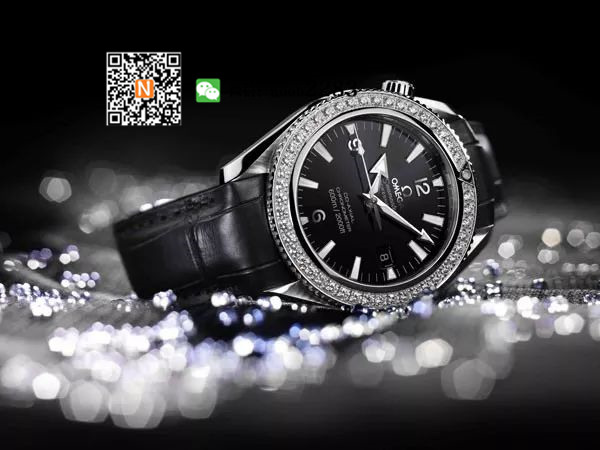
This is a movable‑valve mechanism that vents helium while keeping seawater out. Driven by the pressure difference between the inside and outside of the watch case, it automatically opens to release trapped helium. Most diver’s watches adopt this system. One of the most renowned examples is the Breitling Avenger II Seawolf, a professional diver’s watch with a water‑resistance rating of 10,000 feet (3,000 meters).
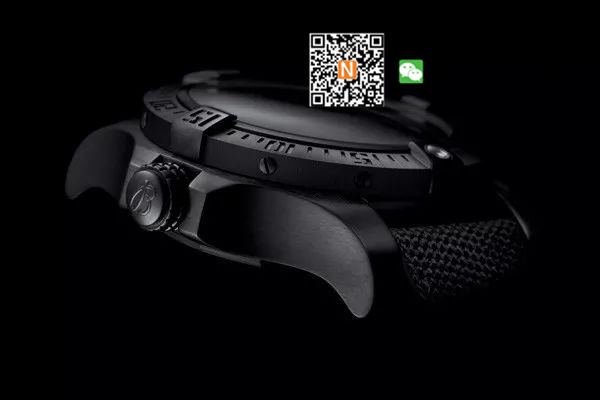
The watch features a unidirectional ratchet‑style rotating bezel, a screw‑down non‑slip crown, and a safety pressure‑relief valve that balances the pressure differential between the inside and outside of the case. Nevertheless, the automatic helium escape valve requires regular maintenance, as aging gaskets of the valve may cause water leakage.
Manual Helium Escape Valve
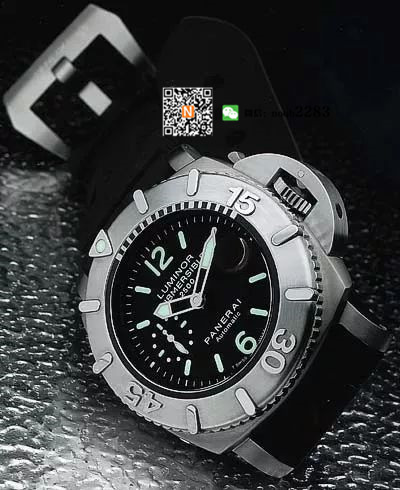
A manual helium escape valve needs to be unscrewed for operation, similar to a screw‑down crown, and must be re‑locked after use. Under normal conditions, the helium‑release valve of such diver’s watches is sealed against water by an upper internal rubber gasket. The venting function is inactive when the valve is tightly locked. Once the valve is loosened, the mechanism enters the pressure‑venting state.
When the internal watch pressure becomes sufficiently higher than the external pressure, it pushes open the lower‑inner rubber gasket of the valve to release gas. Once pressure equalization is achieved, a spring pushes the lower gasket back into its original position. This cycle repeats multiple times throughout the pressure‑relief process.
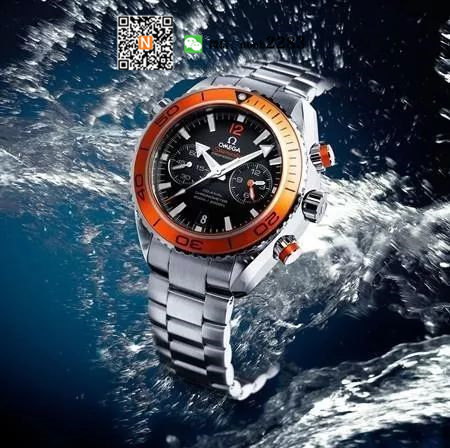
The Omega Ploprof Co‑Axial diver’s watch is fitted with a manual helium escape valve at the 4‑o’clock position on the case for manual helium venting during decompression. It is powered by the Co‑Axial 8500 movement and features a 1200‑meter water‑resistance rating. The Seamaster collection was also originally equipped with a manual helium escape valve at its inception.
Working Principle
Under normal conditions, the helium escape valve of the watch relies on its upper internal rubber gasket for water‑proof sealing, and the venting function remains inactive when the valve is tightly locked. When the valve is unscrewed, the mechanism enters the decompression state while still maintaining the watch’s watertight seal. When the internal case pressure rises sufficiently above the external pressure, it pushes open the lower inner rubber gasket of the valve to release trapped gas. Upon pressure equalization, a spring forces the lower gasket back into position. This cycle repeats several times throughout the decompression process.

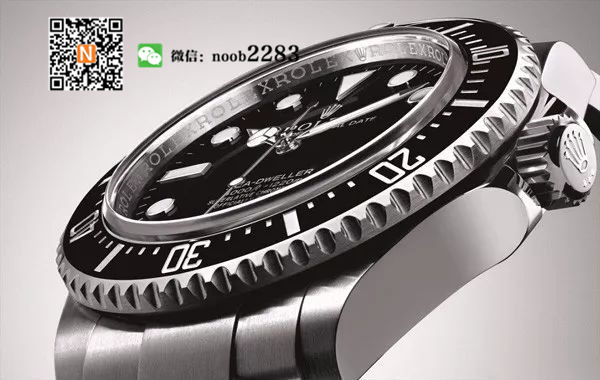
When it comes to the world’s watch with the deepest‑dive capability, Rolex undoubtedly takes the crown. On January 23, 1960, a Rolex watch descended to 10,916 meters below sea level aboard the deep‑sea submersible Trieste. This successful expedition into uncharted waters rewrote the history of humanity’s conquest of the ocean. More than fifty years later, this record still stands unbroken, with no other timepiece able to match such a diving depth.