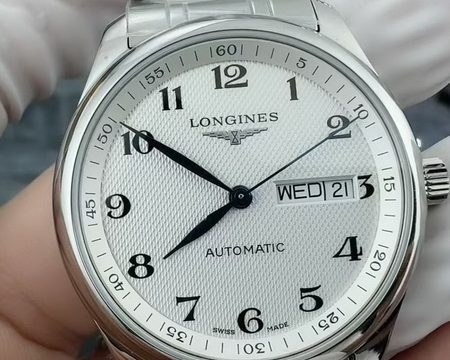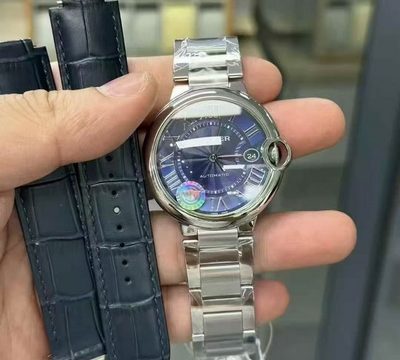
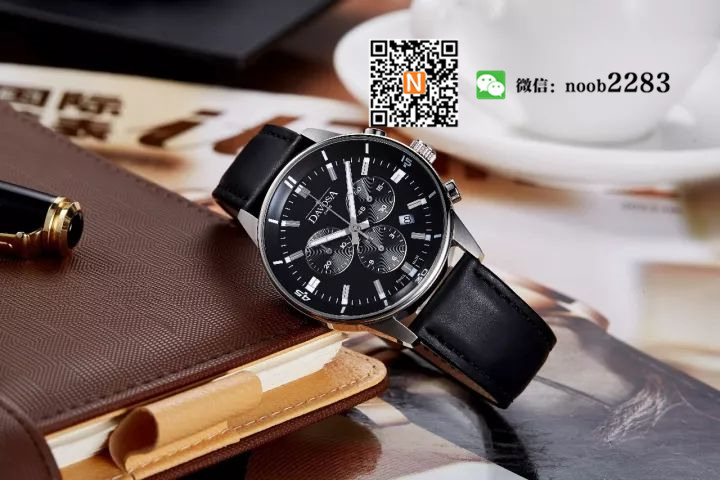
I know many mechanical‑watch enthusiasts dismiss quartz watches. The so‑called Quartz Crisis is simply a chapter of changing times. With advances in technology, we now have countless ways to tell time; mobile phones and computers keep far more accurate time than watches. Quartz watches’ core advantage of high time‑keeping precision has gradually diminished in modern society.
Today, mechanical and quartz watches merely occupy different market niches. Choose whichever fits your needs. Today, let me walk you through some basic knowledge about quartz watches.
Quartz watches are not the same as electronic watches.
First, bear in mind that quartz watches are just one subset of electronic watches. A quartz watch uses a crystal oscillator to drive its mechanical gear train. It requires no winding and runs on a battery.
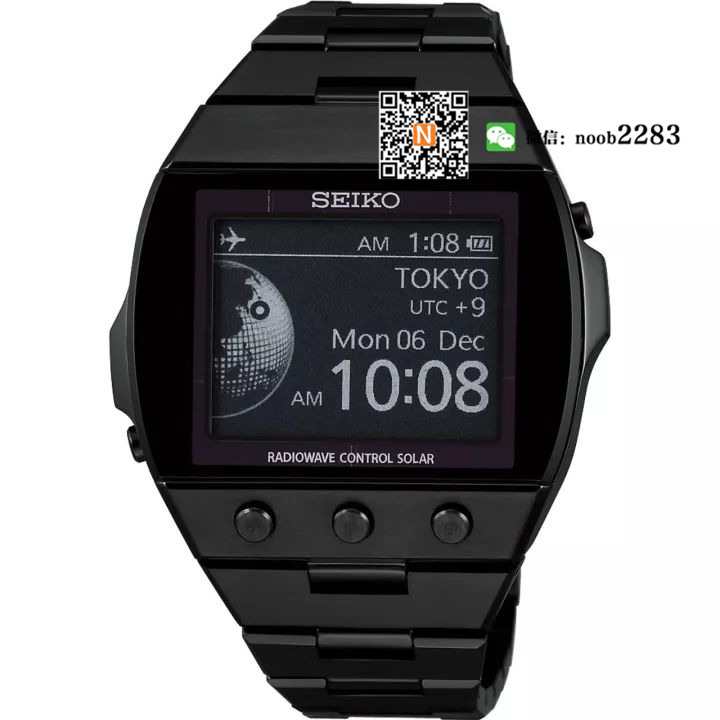
By contrast, electronic watches contain no mechanical components and operate purely electronically, mostly displaying the time via a liquid‑crystal display. Therefore, every quartz watch is an electronic watch, but not all electronic watches are quartz watches. Simply put, one is a semi‑mechanical device, while the other is a purely electronic device.
Principle of Quartz Watches:
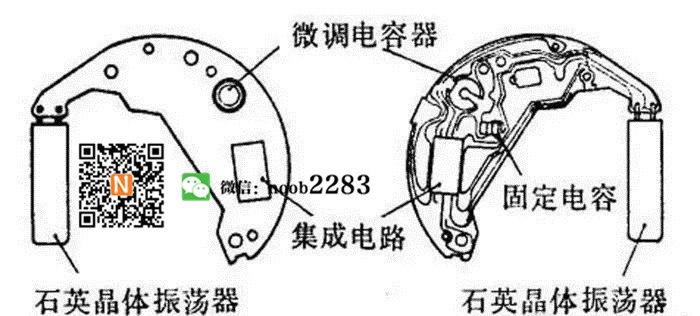
The core of a quartz watch includes an integrated circuit. Powered by electricity from the battery, the quartz oscillator vibrates to measure time. It runs on a small‑sized battery with a service life of several years. The quartz oscillator converts energy from the battery into mechanical vibrations for time division.
Thanks to its high‑frequency vibration (32 kHz), quartz watches deliver exceptional accuracy with minimal annual time deviation: less than one minute per year, or less than one second per day. Given the highly regular vibration of quartz, even affordable quartz watches keep time with an error of no more than one second per day.
Features of Quartz Watches
- The second hand of a quartz watch jumps in discrete steps. It keeps highly accurate time, with a normal monthly error within 15 seconds.
- The movement adopts integrated circuit boards, enabling straightforward assembly.
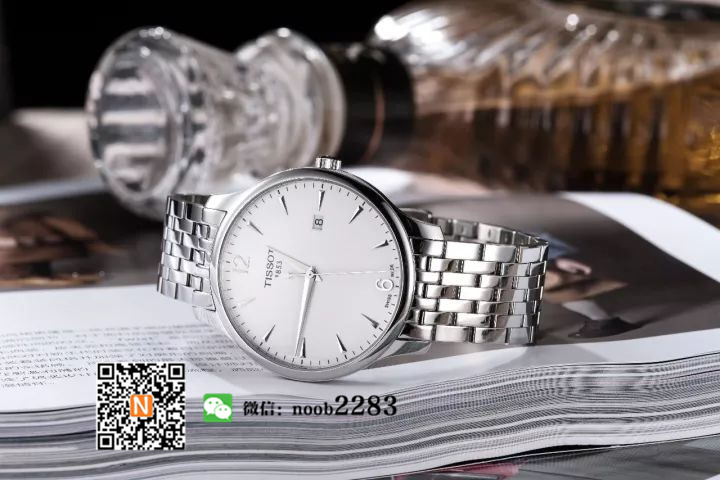
- No manual winding is required for daily wear. A standard battery generally lasts 2‑3 years. Some quartz watches use lithium‑ion batteries, which boast a longer service life of approximately 5‑6 years.
- Quartz watches are generally more affordable than mechanical watches. Nevertheless, high‑end branded quartz models can carry a hefty price tag due to elaborate designs and premium materials such as 18K gold, diamonds and other precious metals. As a result, certain quartz watches are far more valuable than ordinary mechanical watches.
Types of Quartz Watches: Digital Quartz Electronic Watch
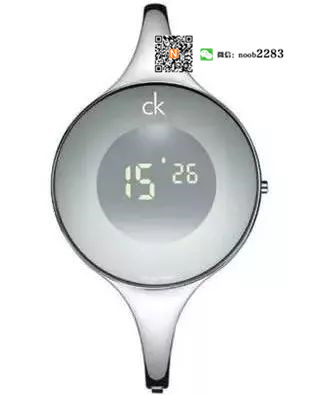
This type of watch combines the piezoelectric effect of quartz crystals with diode‑driven liquid‑crystal displays. All its functions are fulfilled purely by electronic components, and it comes at a low price.
Analog Quartz Watch:
The power source of a quartz watch is a silver‑oxide button‑cell battery. After supplying a specific voltage to the integrated circuit, the battery activates the quartz resonator via the oscillator circuit to generate an oscillating signal source.
The 32768‑Hz electrical signal output from the oscillator circuit enters the frequency‑divider circuit. After 16‑stage frequency division, it produces a 0.5 Hz pulse signal. The signal then passes through a narrow‑pulse circuit before being amplified by the driver circuit, which generates alternating bidirectional pulse signals. These pulses drive the stepper motor to rotate intermittently, which in turn powers the gear train and moves the hands to display the time precisely.
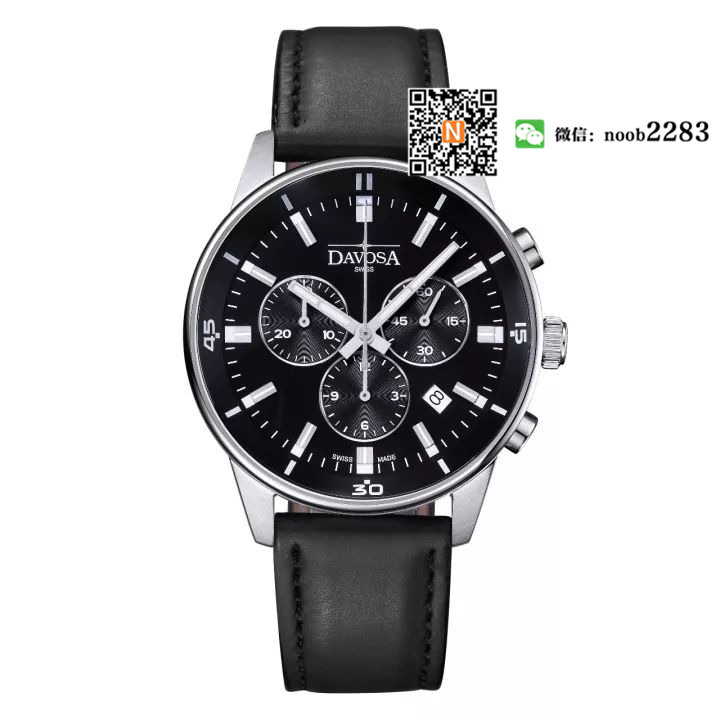
Analog quartz watches feature the hand‑operated dial found on mechanical watches. They can be made with three‑hand or two‑hand configurations as required, and may incorporate additional functions such as a single‑date or double‑date calendar.
Kinetic‑powered Quartz Watch:
The movement combines the merits of both automatic mechanical watches and quartz watches. It requires no battery; wearers may opt for manual winding or automatic charging. Its electronic quartz module delivers superior time‑keeping accuracy, with a monthly error of less than ten seconds.
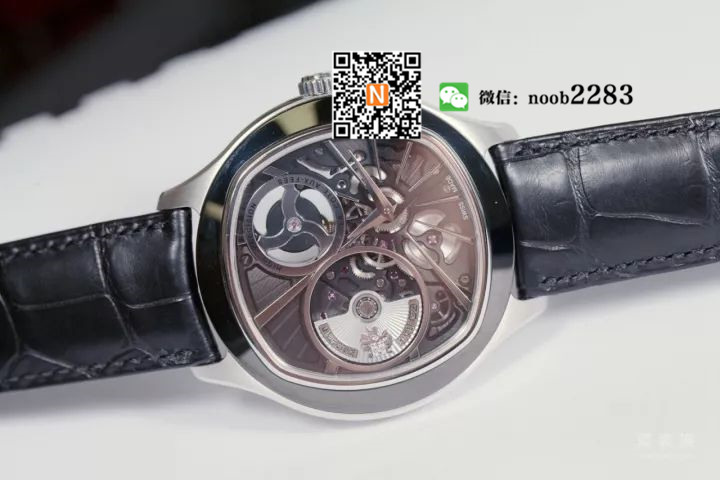
Piaget mechanical‑quartz hybrid watch works by harnessing arm movements to spin the internal rotor. The generated energy drives a miniature motor for power conversion, supplying sufficient electricity for the quartz module. Excess energy is stored in a tiny capacitor for later use. At present, Switzerland‑based Tissot and Japan’s Seiko both offer auto‑quartz watches.
Solar‑powered Quartz Watch:
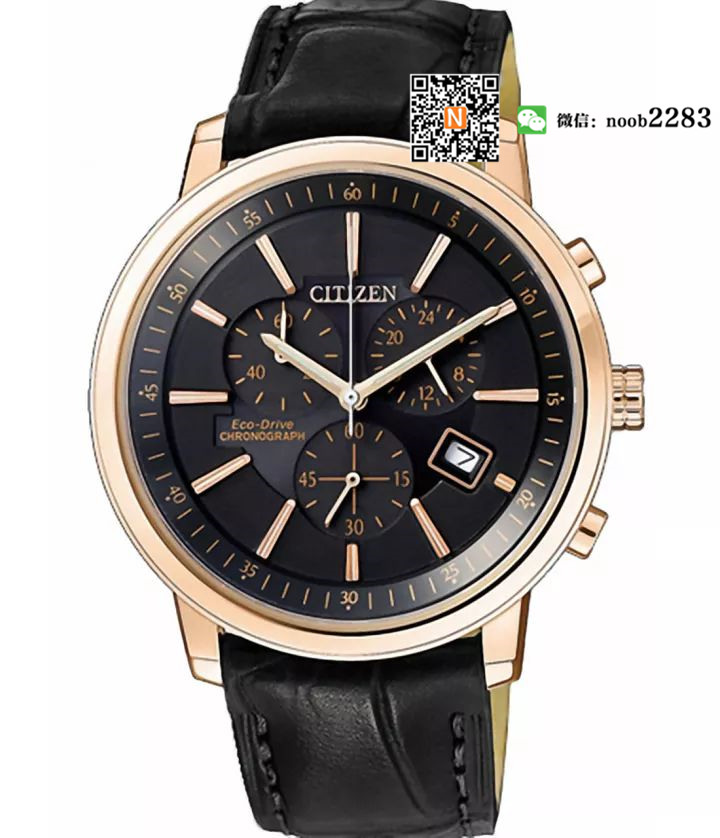
Light energy is converted into electrical energy by solar cells and stored in a lithium‑ion rechargeable battery. Electricity from the battery feeds pulse signals to the coil via an integrated circuit. Electrical energy is then transformed into kinetic energy to drive the gear train and move the watch hands for time indication. Once fully charged, it can run for approximately 40‑180 days in complete darkness. It delivers precise timekeeping, and the rechargeable battery has a service life of 10 years.
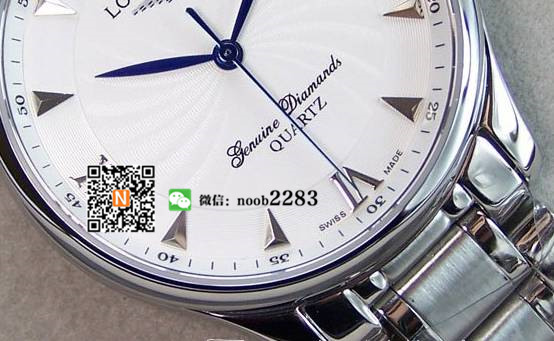
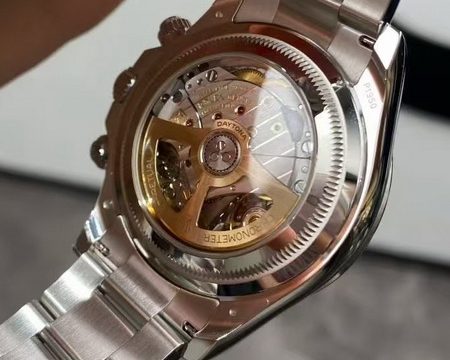
Quartz marking on watch dial or case‑back
A quartz watch keeps running as long as the battery is in place, whether it is worn or not. (Note: If the watch is left unused for one year or longer, the battery must be removed. Otherwise, battery leakage may easily corrode and damage the movement, dial and even the watch case.)