Many owners of automatic mechanical watches will experience watch stopping unexpectedly when their daily physical activity is insufficient. In this case, a watch winder becomes highly recommended. But how much do you actually know about watch winders? It is worthwhile to learn some relevant knowledge before making a purchase!
What Is a Watch Winder?
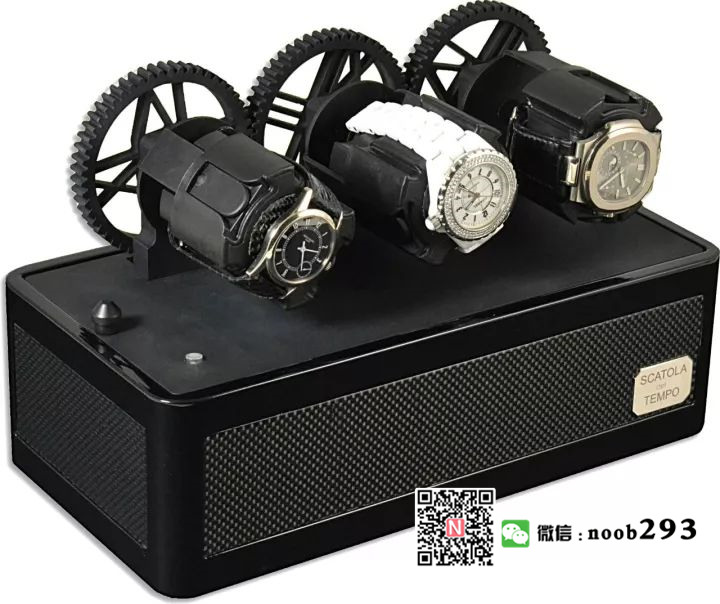
A watch winder, also known as an automatic watch winder or winding box, is a motor‑powered storage case designed to keep luxury mechanical watches wound. Equipped with a small motor powered by batteries or an external power supply, it can be controlled via switches and adjustable settings. Inside the box sits a rotating cushion that turns slowly under motor drive. Simply place your mechanical watch on this rotating cushion, and it will be automatically wound.
Automatic mechanical watches are powered by the wearer’s wrist movements, which wind the mainspring barrel. If left unworn for long periods, the watch will stop running. Extended downtime can not‑only harm the movement, but resetting the time after every stoppage is also inconvenient — this is why watch winders were created.
When Do You Need a Watch Winder?
Many watch enthusiasts wonder whether they should buy a watch winder and which model to choose. One important fact to note: normal running causes wear on a watch movement, whereas a stopped watch suffers no movement wear. You should, however, wind the watch once every month to keep its gears well‑lubricated. This practice helps prolong the watch’s service life and preserves its time‑keeping accuracy.
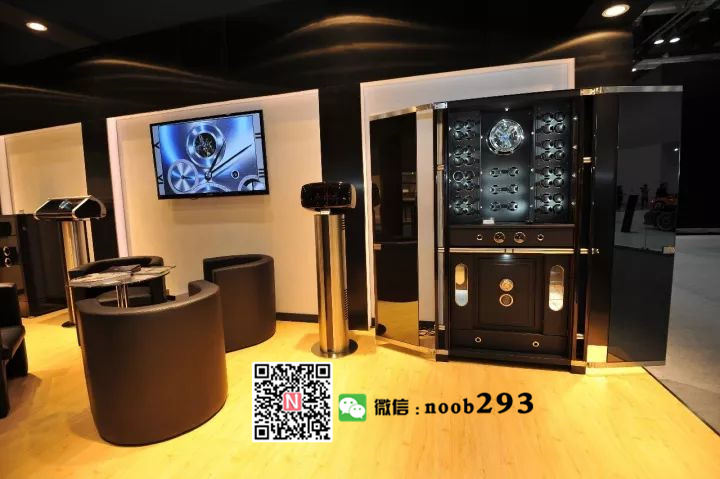
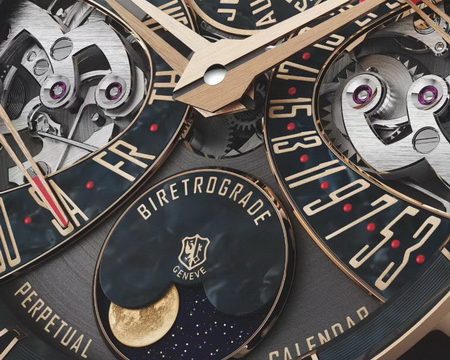
Therefore, a watch winder is unnecessary for ordinary timepieces, as its continuous operation may accelerate wear on the movement gears. For highly‑complicated perpetual‑calendar watches or annual‑calendar models with tricky adjustments, a watch winder is recommended. It is also a good choice for watch lovers who lack sufficient wrist‑movement during the day or own multiple watches. The winder can keep your timepieces wound overnight, so you can pick and wear any watch at any time conveniently.
Top Watch Winder Brands
Buben & Zorweg
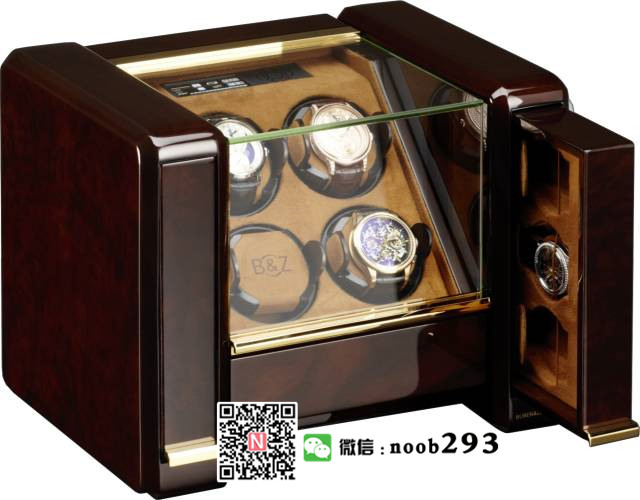
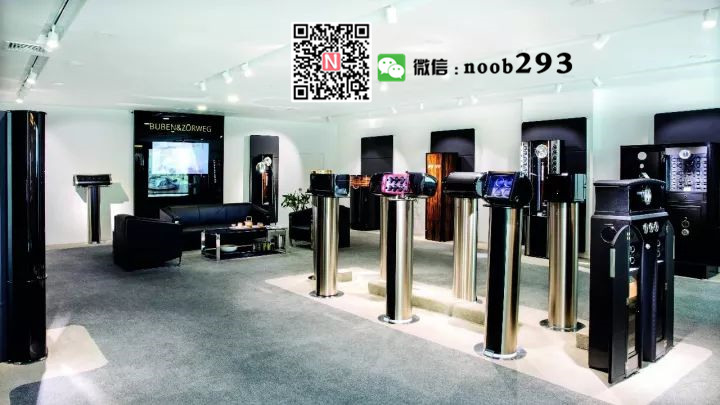
When it comes to the world’s most high‑end custom watch winder brands, Buben & Zorweg stands unrivaled. Founded in 1995, the brand launched its patented in‑house “Timer Mover” automatic winding box in 1998. Every step, from material selection and cutting to lacquer finishing, is completed entirely by hand. Its exquisite texture and timeless design have won widespread acclaim among watch‑industry professionals.
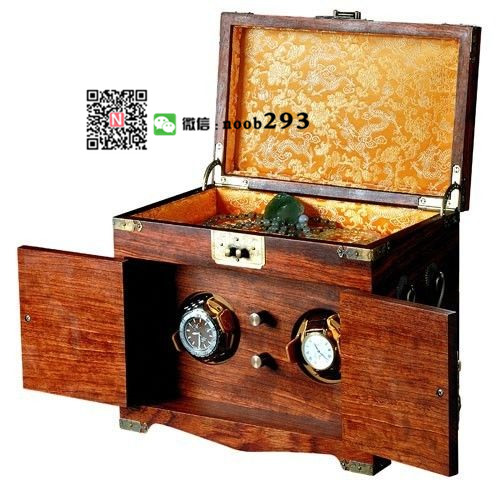
In China, Kaihe is a pioneer in the watch‑winder market. The WW04223 from Kaihe’s 3G watch‑winder series perfectly embodies the essence of its power‑winding boxes and is greatly treasured by collectors. Unlike other winding‑box brands, each rotor cup is fitted with an independent motor, allowing every cushion inside one single winder unit to operate separately.
Orbita
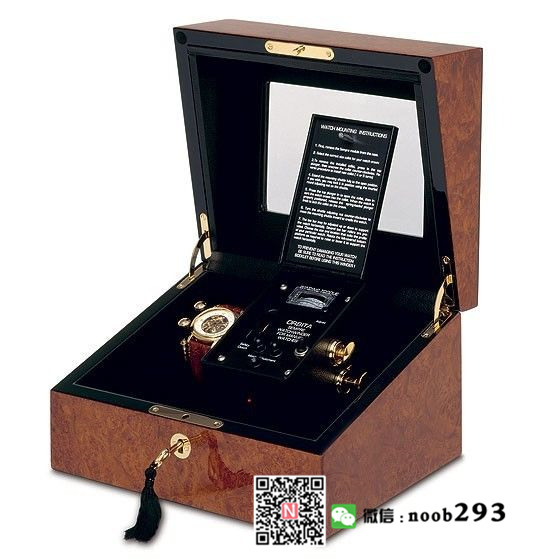
Orbita from the United States ranks among the world’s largest watch‑winder manufacturers. It is also the only luxury brand that designs winders exclusively for mechanical watches. Holding proprietary technical patents within the industry, it produces automatic winding devices with innovative technology and premium‑grade materials.
Scatola de Tempo
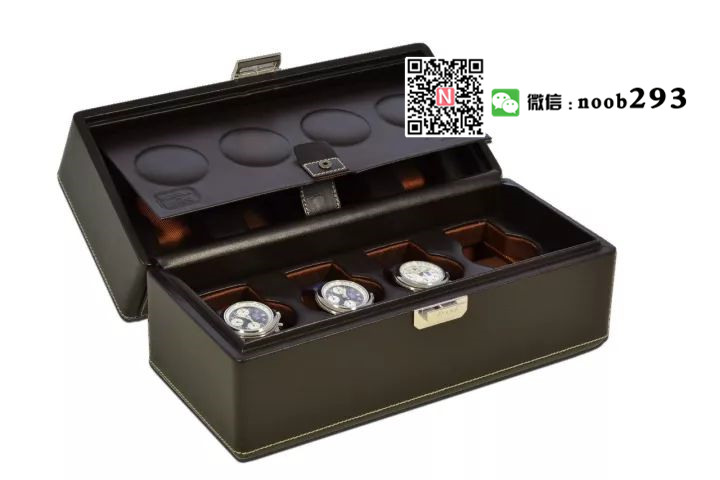
Scatola de Tempo is a well‑known Italian watch‑industry firm and the inventor of the rotating watch storage case. For watch‑winder manufacturers, recognition from prestigious watch brands represents the highest achievement — an honor earned by Italy‑based Scatola de Tempo. Its 1RT series has received endorsement from Patek Philippe, one of Switzerland’s finest watch‑making houses.
Key Features to Look for When Buying a Watch Winder
Support for Clockwise and Counter‑clockwise Rotation
Adjustable Winding‑to‑Rest Cycles for Different Movements
Magnetic‑Shielded Motor
Other Considerations
Types of Watch‑Winder Control Systems
Button or Knob Control
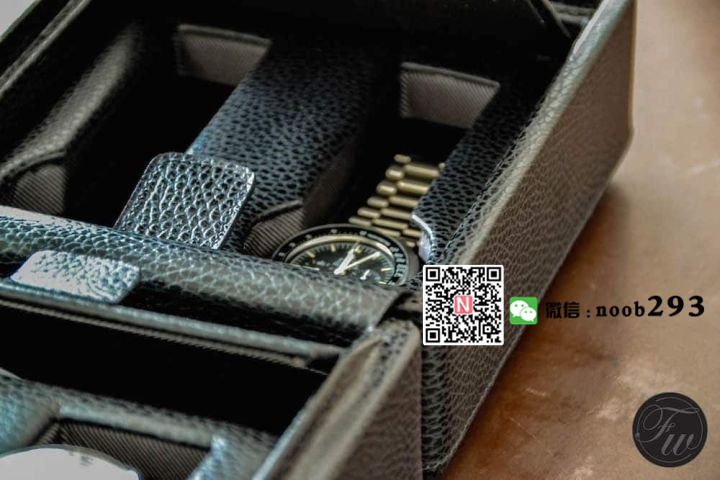
Button‑ or knob‑controlled winders cannot deliver highly‑precision winding. To begin with, most lack programmable timers; once powered on, the winder will keep rotating non‑stop. Their rotation modes are very limited, usually offering only a few preset options: clockwise rotation, counter‑clockwise rotation, alternating rotations for a set number of turns, or cycles of running for several minutes then resting for a while. While perfect precision for every different movement is difficult to achieve, a better‑quality unit can help cut down unnecessary wear on your watch movement.
Button‑Operated Control with LED Display
Watch winders equipped with an LED display and push‑button controls represent a noticeably higher‑end category, with prices starting at $3000‑$4000. They allow you to set the total number of rotations per day and define the interval in hours before the winding cycle resumes. This mimics the winding pattern created by everyday wrist‑wear. Multiple rotation modes are also available.
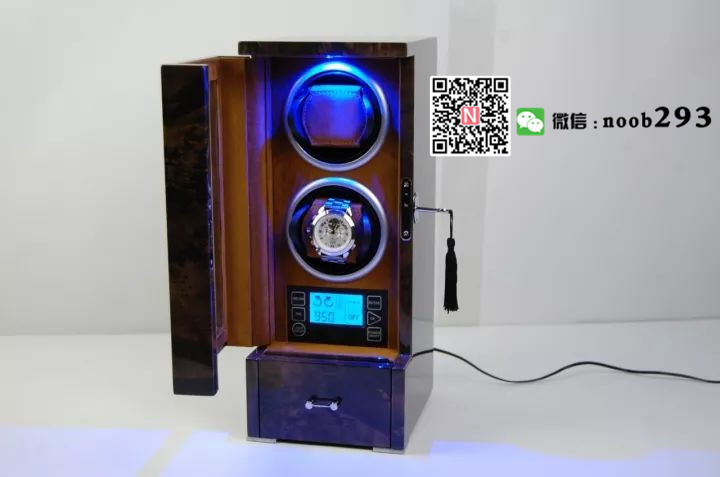
More features come with a higher price tag, including an adjustable daily rotation range and various rotation‑based winding modes. It is recommended that you purchase a watch winder that supports settings for daily rotation count and the hourly interval before resuming rotation. The wider the adjustable range of daily rotations, the more winding modes are available, which can effectively reduce unnecessary wear on the watch movement.
There is another type of watch winder that connects to a computer via a USB port. Its operation can be configured through dedicated PC‑based software. High‑end professional models can even be controlled remotely via a mobile‑phone APP. These represent the professional‑grade tier of watch winders. Usually designed to hold only one watch, they cost roughly 8,000 to 10,000 currency units. Users can program custom‑tailored winding cycles for different timepieces. Some premium versions are capable of automatically generating suitable winding schedules simply by entering the movement model number.
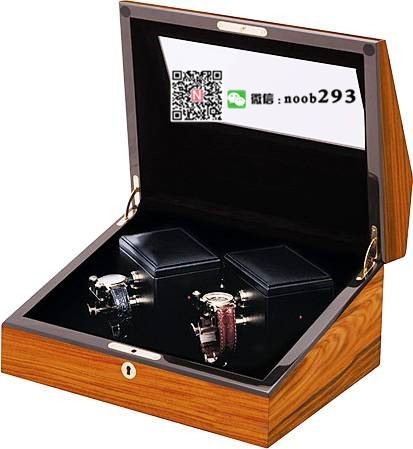
Just a few final reminders. Unless your watch winder can automatically set the rotation direction and turns by entering the movement model number — a very high‑end feature rarely found on most units — be sure to look up your watch movement’s required winding direction and rotation count before use. This will help you avoid unnecessary wear‑and‑tear or even permanent damage to the movement. A fine horse does not always need a fancy saddle, but if you decide to get one, get the best‑quality saddle you can afford.