Today let’s take a look at the exclusive innovations from various watch brands.
IWC Jones‑Calibre Hand
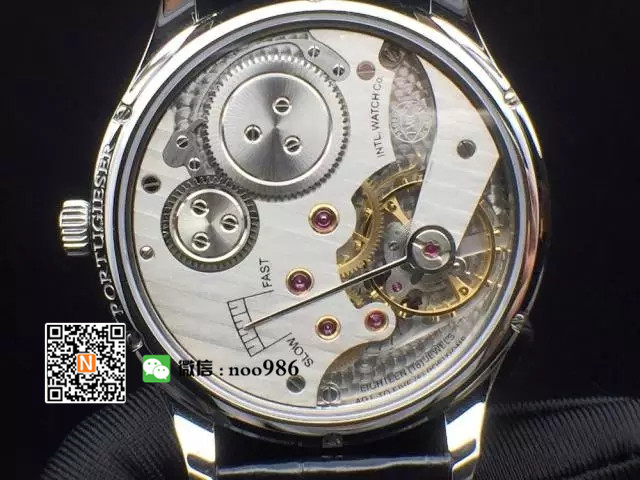
Florentine A. Jones, the American founder of IWC, developed six base movements for different pocket‑watch designs in 1868. These movements boasted outstanding quality and featured the “Jones Arrow”. An arrow‑shaped index hand extends from the balance‑wheel bridge onto the three‑quarter main plate for precise rate adjustment. Equipped with an elongated index adjuster, it constitutes the original form of the Jones Arrow. Back then, this movement was widely used in IWC pocket watches, and the extra‑long Jones‑Arrow regulator largely served as a decorative element. Over decades, IWC kept refining the movement and implemented it within the Portuguese collection in 1930.
Mühle‑Glashütte: Woodpecker‑Neck Fine Adjustment
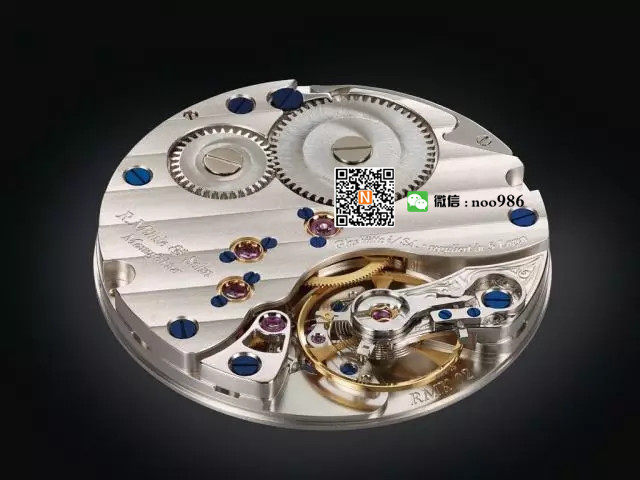
What are the application scenarios for IWC’s Jones‑Calibre Hand? The Woodpecker‑Neck Fine Adjustment is an improved variant of the swan‑neck regulator. Its special shape delivers exceptional shock‑resistance. A tiny notch is cut into the ultra‑thin regulator index, into which the protruding section of the swan‑neck spring locks as an integrated unit. This delivers excellent anti‑shock performance without compromising the adjustability of the regulator. Accordingly, the Woodpecker‑Neck Fine Adjustment not only optimizes Mühle‑Glashütte’s delicate regulating mechanism but also boosts its shock‑resistant stability.
Rolex: Red Wheel Component
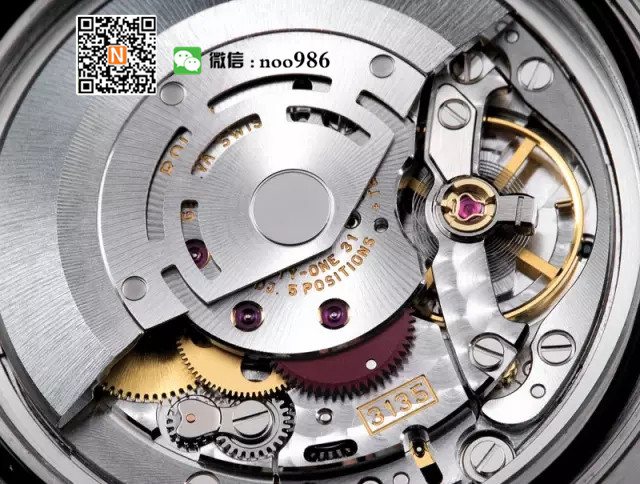
The red gear on the movement is a proprietary Rolex invention, affectionately nicknamed the “Red Wheel” by Rolex enthusiasts. As a key component of the automatic winding system, it houses two curved pawl anti‑reversal mechanisms. These ensure the saw‑tooth gear can only advance or halt, preventing backward rotation. This drives the red clutch wheel to realize bidirectional winding. It operates with low noise and delivers excellent winding efficiency. Boasting wear‑resistance and quiet performance, Rolex watches fitted with this “Red Wheel” command substantial market value.
IWC Pellaton Winding System
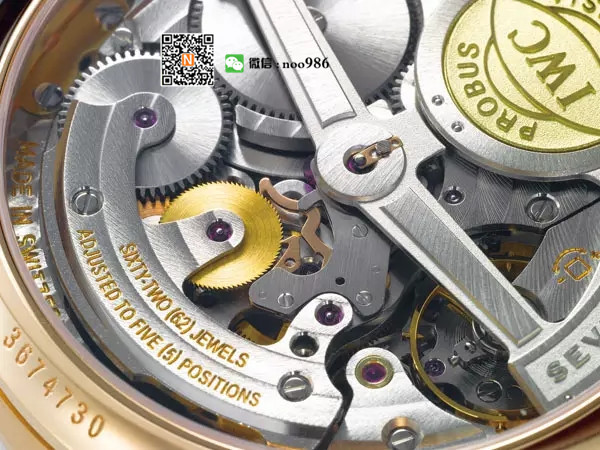
Albert Pellaton served as the technical director of IWC during the 1940s and 1950s, and he invented the Pellaton automatic‑winding system. Different from other winding mechanisms, this device transfers the power generated by the oscillating rotor to gem‑set rocker arms via a cam. It achieves bidirectional winding through the coordination of cams, pawls and ratchets. No matter which direction the rotor spins through 360‑degrees, the cam drives the rocker arm to perform reciprocating motion. The two pawls of unequal length on the rocker arm engage the ratchet to complete winding. This is an IWC patent. Since its winding movement resembles a woodpecker pecking for food, it is also known as the “Woodpecker Winding System”.
Glashütte Original: Swan‑Neck Regulator
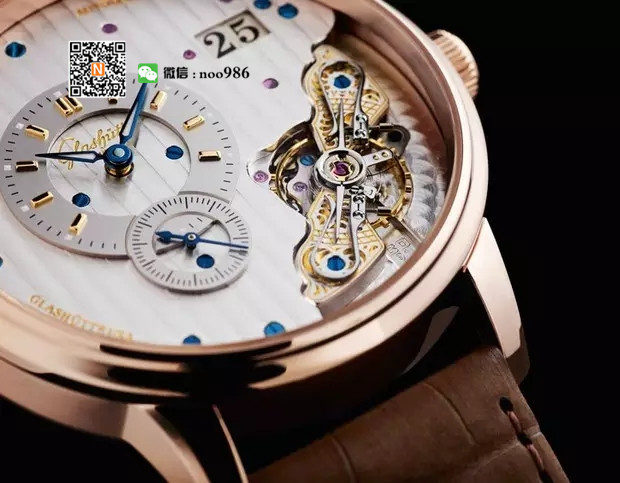
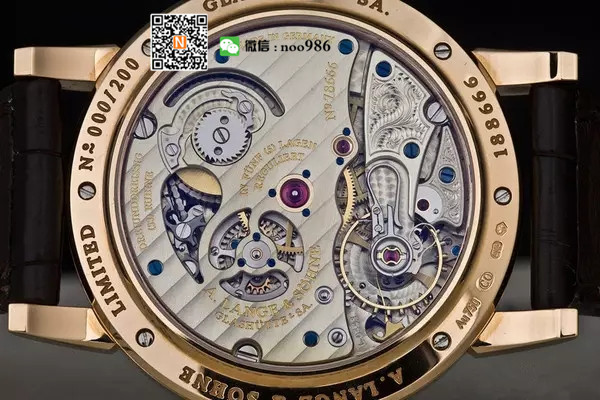

Also known as Microtor, the micro‑rotor belongs to the oscillating‑rotor movement family. It sits inside the watch movement in a compact, pearl‑like fan‑shaped form. The greatest advantage of a micro‑rotor is that it enables a slimmer watch case while exposing the movement for full visual appreciation. Chopard’s micro‑rotor stands out for its dainty exquisite build and excellent winding efficiency, and is usually crafted from 22‑karat gold.
Corum: Golden Bridge Rectangular Movement
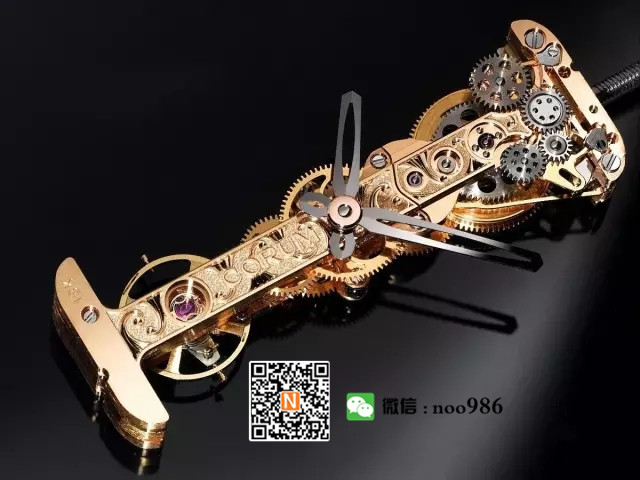
When Corum developed its first Golden Bridge watch in 1980, it sent a powerful shockwave through the watchmaking industry. As Corum’s flagship complicated‑watch collection, the Golden Bridge series has continued to astonish viewers for more than thirty‑plus years. Derived from the original Golden Bridge movement, the manually‑wound CO 113 movement houses 140 components within a rectangular cuboid measuring 33 mm long, 3 mm wide and 5 mm thick. These intricate parts include a variable‑inertia balance wheel, a mainspring barrel with sliding mainspring and other delicate elements. It is complemented by hand‑engraved gold bridges and base‑plate. Both its miniature mechanical engineering and luxurious decorative craftsmanship are magnificent, embodying the quintessence of horological art.