- Every Daytona belongs to the Cosmograph family, yet not all Cosmograph‑branded watches are Daytons
The Cosmograph designation first appeared on the Rolex Oyster moon‑phase reference 6062 back in the 1950s. Admittedly, Cosmograph makes more sense as an official collection name. The title then fell out of use for a period before its comeback in 1963 alongside the reference 6239.
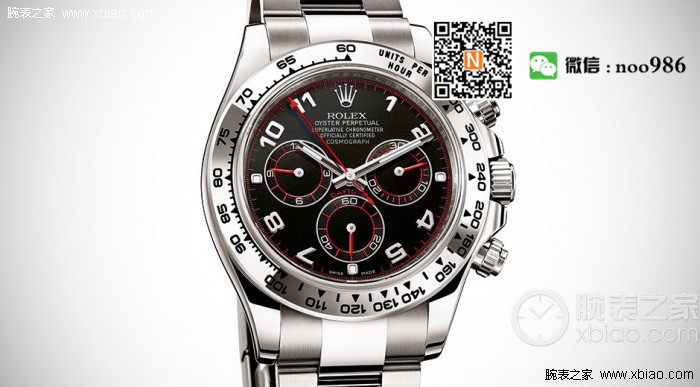
2. The‑name Daytona might never have come into existence Rolex is now known as a focused and resolute watch‑making brand, yet this was not the case during the 1950s and 1960s. The brand hesitated over the titles for many watch models back then. The Submariner nearly received the name “Skin Diver”. Plenty of timepieces were named after their distinctive dials. Similarly, some early Turn‑O‑Graph models bore the marking “Monometer”. As for the Daytona, its planned original title was Le Mans.
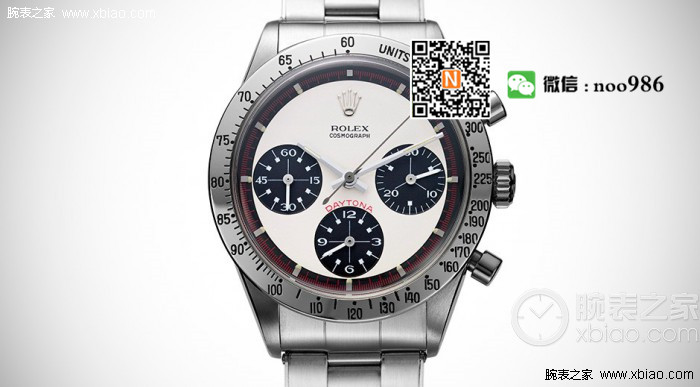
3. It began as a commercial flop Hand‑wound Daytona watches are highly‑coveted nowadays, partly on account of their limited production runs. In truth, the Daytona was initially an unsuccessful product. Towards the late 1970s, one watch enthusiast asked a Rolex sales associate for a price reduction. The staff member replied, “We do not offer discounts on Rolex watches, sir,‑but you may get a 20‑percent discount if you wish to purchase a Daytona.”
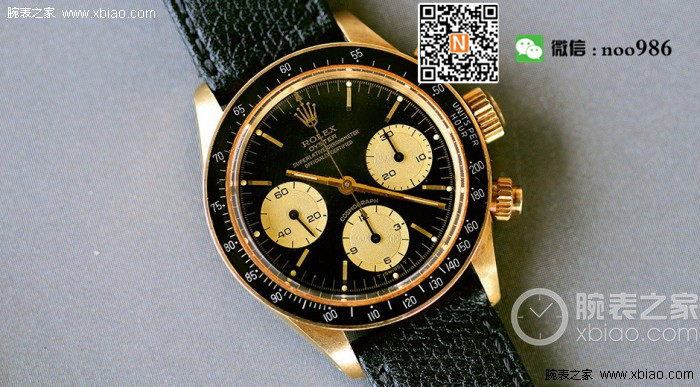
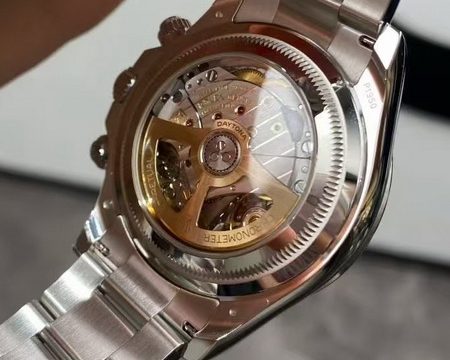
4. All gold‑cased chronograph models are chronometer‑certified, though not every one carries the corresponding marking Hand‑wound steel and gold‑cased Daytona versions house different movements. Movements fitted inside steel variants were calibrated in merely three positions, while gold‑cased pieces held movements officially certified by the COSC as chronometers. Only the 6263 and 6265 references manufactured in later years began to bear this certification marking on the dial.
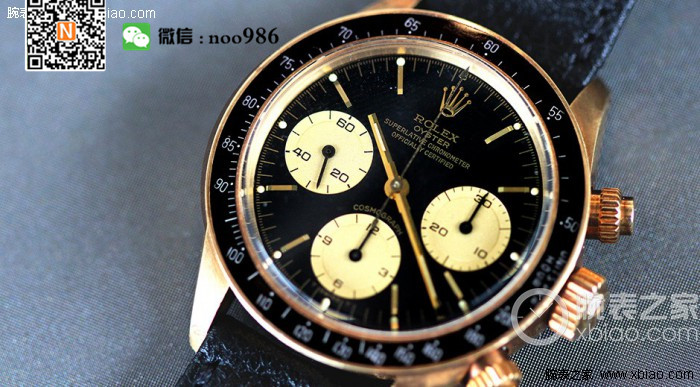
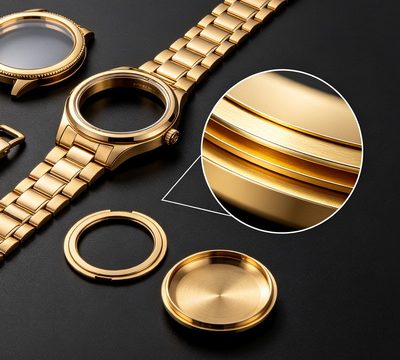
5. It is the Rolex watch model with the fewest original‑designed components As is well‑known, hand‑wound Daytona timepieces were equipped with Valjoux movements. Less widely known is the fact that Rolex did not manufacture its own cases, dials or hands. Watch cases were supplied by Charles‑René Spielmann (CRS), the manufacturer that also produced numerous cases for the Omega Speedmaster. Dials came from Singer, Beyeler and Stern, and hands were sourced from Universo alongside other Swiss‑based suppliers. Nevertheless, Rolex carried out the final assembly for every watch and fitted them with its patented Oyster crown and waterproof gaskets.