Rolex boasts massive watch sales volumes. As a distinctive and sophisticated watch manufacture, its newly launched iterations based on vintage models never fail to attract fervent pursuit from consumers. Another hallmark of Rolex lies in the striking resemblance shared not only by the outward appearance of its timepieces, but also by their respective reference numbers.

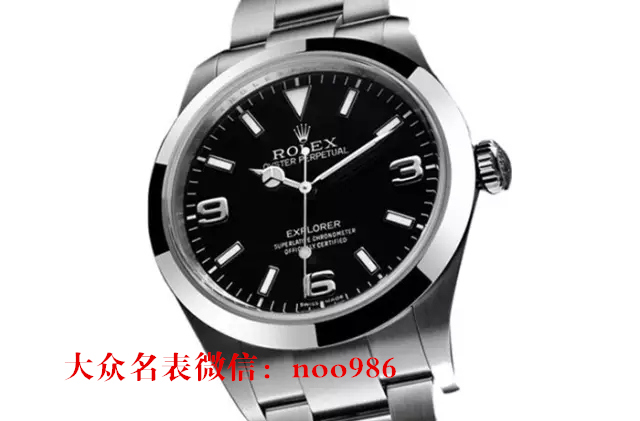
Even so, each Rolex watch is assigned a unique reference number. For Rolex aficionados, grasping the logic behind these reference codes is essential. These serial-style reference numbers reveal far more than just the watch collection; they also indicate variations in case material, decorative treatments and other subtle specifications.
Rolex reference numbers are typically five or six digits long. As a general rule, original debut models carry 5-digit references. When an updated variant is released based on an existing watch, the digit “1” is prefixed to the original five-digit number. Subsequent updated iterations will then add the digit “2” at the front instead. The Explorer reference 214270-77200 serves as a typical example of this coding rule.
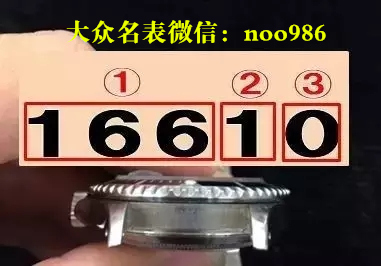
The numerical sequence of Rolex reference numbers follows a fixed structural rule:
- The first two or three digits stand for the watch collection code.
- The second-to-last digit denotes the type of watch bezel.
- The final digit indicates the material of the watch case.
- Letters appended at the end of numerals represent decorative features. For example, specific suffix letters will be added if the watch is set with diamonds.
Rolex reference codes appear in various formats, which are conventionally engraved at the 12 o’clock position on the watch case. Rolex boasts an extensive lineup of collections, so the leading two or three digits of the reference number are used to distinguish each series from one another.
Reference Prefix Code Correspondence Table
114, 14:Air‑King, No Date
15:Date model
126, 116, 16:Datejust & Datejust II
17:Quartz movement models
118, 18:Day‑Date
218:Day‑Date II
19:Quartz Day‑Date
142, 1142, 2142:Explorer I
165, 2165:Explorer II
165, 1165:Cosmograph Daytona
166, 1166:Submariner, Sea‑Dweller, Yacht‑Master
167, 1167:GMT‑Master II
2166:Yacht‑Master II
1164:Milgauss
67, 77, 177:Men’s No Date watches
68, 78, 178:Men’s Datejust
1686:Men’s Yacht‑Master
76, 176:Ladies’ No Date watches
69, 79, 179:Ladies’ Datejust
1696:Ladies’ Yacht‑Master
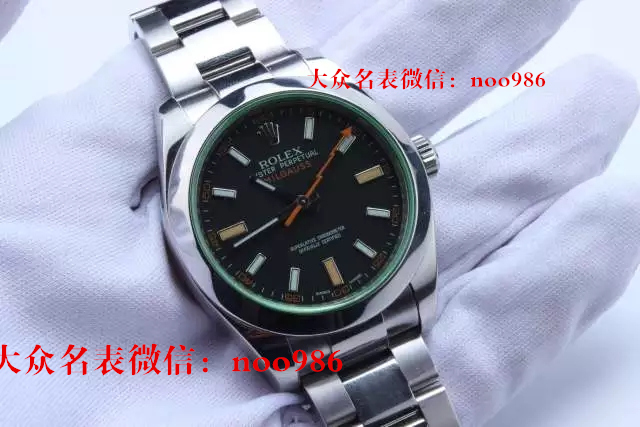
Take the well-known “Green Glass” watch as an example. It belongs to the Milgauss collection and carries a reference number starting with 1164. Its full reference designation is 116400-GV-72400, the standard model code for this iconic timepiece.Much of Rolex’s worldwide fame can be attributed to its diverse bezels, which come in countless variations: ceramic bezels, gradient bezels, fluted “dog-tooth” bezels, grooved bezels and more.With such a wide array of styles available, it is necessary to sort and categorize these bezel types systematically.

We have already covered the first two (or occasionally three) digits within these reference numbers. The second last digit in the reference code indicates the style of the Rolex bezel. Digits ranging from 0 to 6 each correspond to a distinct bezel design. Unlike the multi-digit coding used for watch collections, a single digit is sufficient to mark the bezel variant.
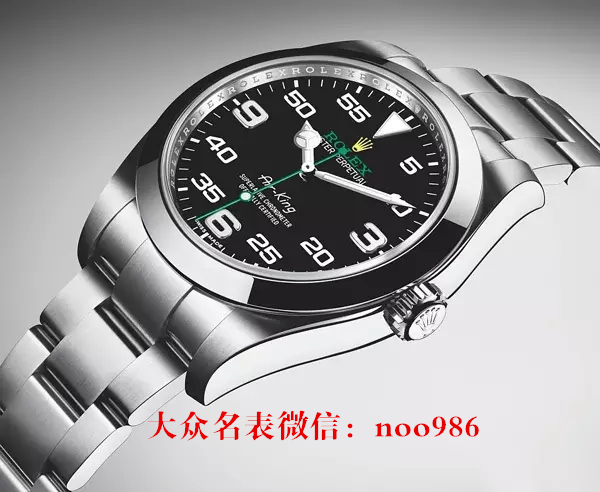
Plain design with no extra adornments, finished purely with polishing.
1: Rotating finely engine‑turned bezel
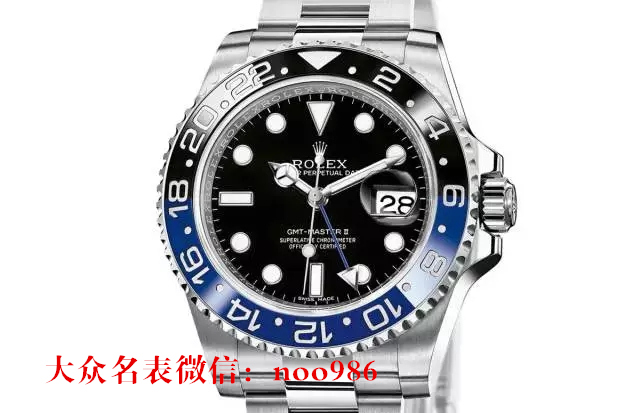
This generally refers to the bezel equipped on GMT Master models with flat printed markings.
2: Rotating engine-turned bezel

It commonly refers to the bezel fitted on Explorer watches with raised numerals and markings.
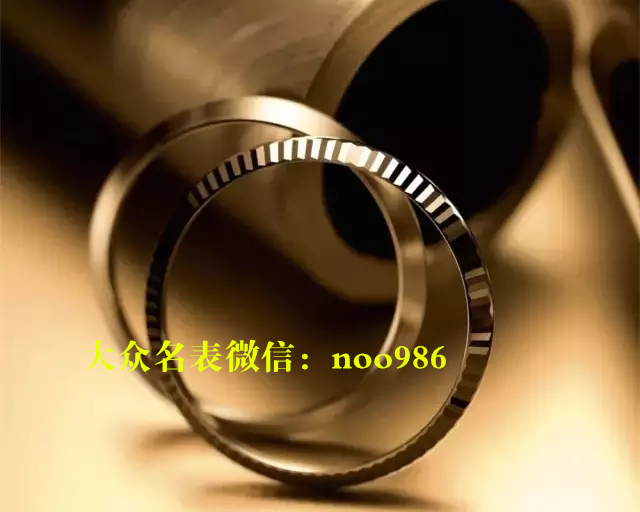
3: Fluted Bezel
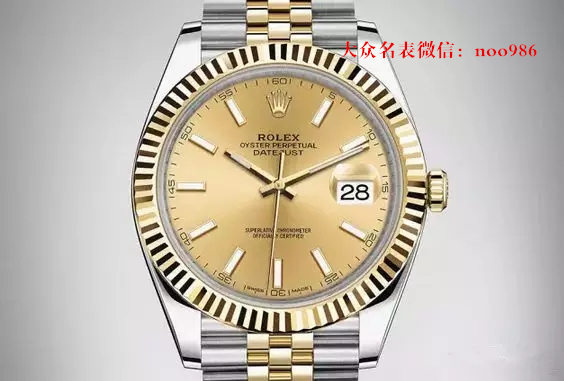
The knurled fluted ring is commonly known as the dog-tooth bezel among watch enthusiasts.
4: Handcrafted Bezel
There is no extra definition for this marking; it stands for hand-engraved bezels. A large proportion of Rolex bezels are finished via manual craftsmanship.
5: Pyramid Fluted Bezel
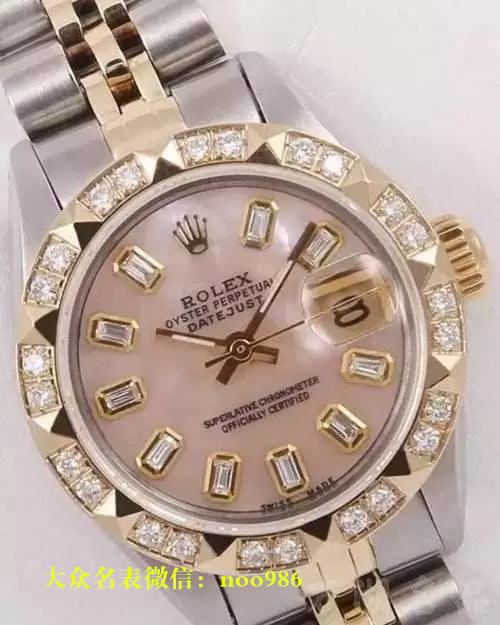
Its bezel features pyramid-shaped textures, which differ noticeably from conventional fluted dog-tooth bezels.
6: Rotating Bezel

Having covered bezel coding, let us move on to the final digit, which denotes the case material of a Rolex watch. Rolex employs proprietary exclusive formulas for its watch case alloys, and each terminal digit corresponds to a specific material composition. Digits 0 through 9 represent nine material configurations in total, excluding the number 7, with each material identified by a single numeral.
0: Stainless Steel
1: Stainless Steel with 18K Rose Gold (Two-tone)
2: Stainless Steel with Platinum (Two-tone)
3: Stainless Steel with 18K Yellow Gold (Two-tone)
4: Stainless Steel with 18K White Gold (Two-tone)
5: Solid 18K Rose Gold
6: Solid Platinum
8: Solid 18K Yellow Gold
9: Solid 18K White Gold
With that, we have finished breaking down Rolex numerical reference codes. A 5-digit or 6-digit numerical sequence is enough to uniquely identify a Rolex watch model. Taking reference 16610 as an example: the first three digits “166” stand for the Submariner collection; the second-to-last digit “1” corresponds to a rotating bezel; the final digit “0” denotes stainless steel material.
Rolex reference coding is more intricate than this basic framework. Apart from the numerical codes covered above, you will notice suffix letters attached to the numbers on official catalogs. These letter suffixes serve to mark decorative configurations fitted on the watch dial.
Suffix Code Explanation
- A: Dial set with 8 round diamonds + 2 baguette diamonds
- CR: Dial with 10 diamonds paired with Roman numeral hour markers
- C11: Dial embedded with 11 diamonds
- DP: Paved full diamond dial (commonly known as starry pave dial)
- G: Dial set with 10 diamonds
- GV: Milgauss green crystal variant
- J: Jubilee dial fitted with 10 diamonds
- LB: Dial fitted with a diamond bezel ring plus 10 dial diamonds (alternate definition: blue bezel)
- LE: Dial with diamond ring & emerald embellishments
- LN: Black bezel
- LR: Dial with diamond ring & 10 rubies
- LV: Green bezel
- NA: Mother-of-pearl dial with Arabic numerals
- NC8DI: Mother-of-pearl dial set with 8 diamonds
- NC11DI: Mother-of-pearl dial with 11 diamonds and Roman numerals
- NG: Mother-of-pearl dial embedded with 10 diamonds
- NGR: Mother-of-pearl dial set with 10 rubies
- NGS: Mother-of-pearl dial set with 10 sapphires
- NR: Mother-of-pearl dial with diamond ring + Roman numerals
- P: Fully paved diamond dial
- PB: Fully paved diamond dial with an additional 10 individual diamonds
- PLAT: Platinum dial
- WOOD: Wood grain patterned dial
- XL: Dial fully paved with large-sized diamonds (heavy pave star dial)
- XS11: Heavy pave dial set with 10 sapphires
- XS8: Heavy pave dial set with 8 sapphires
- ZR: Fully paved diamond dial decorated with 11 rubies
- ZS: Fully paved diamond dial decorated with 11 sapphires
- ZSA: Fully paved diamond dial fitted with 8 round diamonds and 2 baguette diamonds
- 11DI: Dial with 11 diamonds
- 3DI: Dial with 3 diamonds
- 8DI: Dial with 8 diamonds
- 8D3R: Dial containing 8 diamonds, 1 triangular diamond and 2 baguette rubies
- 8D3S: Dial containing 8 diamonds, 1 triangular diamond and 2 baguette sapphires
Additionally, we will introduce the BIC marking. This decorative treatment is applied to watch bracelets, mostly on the two-tone bracelet sections. It blends 18K white gold with three other types of gold to create a visual effect resembling the French tricolor flag (tricolore, consisting of blue, white and red hues). The reference 18129A BIC from Rolex adopts exactly this tricolor bracelet design.
Rolex has an extensive catalog of references, and many watch designs share similar appearances. Furthermore, Rolex’s official website undergoes regular updates, meaning certain discontinued official models are still circulated in the market. Accurate reference coding is therefore a reliable tool to locate your target watch.Duplications and discrepancies may exist within this coding dataset, so readers are welcome to supplement and correct any omissions or errors.