2018 marked the 25th anniversary of Omega’s iconic Seamaster 300‑meter diver’s watch, as well as the 70th anniversary of the Seamaster collection itself, making it a milestone‑laden year for the line. Therefore, any new Seamaster timepiece launched at this special moment had to be extraordinary — one that honoured its heritage while looking ahead to the future. It was against this backdrop that the new Seamaster 300‑meter diver’s watch was born. For the brand and the Seamaster family, this model brings genuine innovation and transformation, both inside and out.
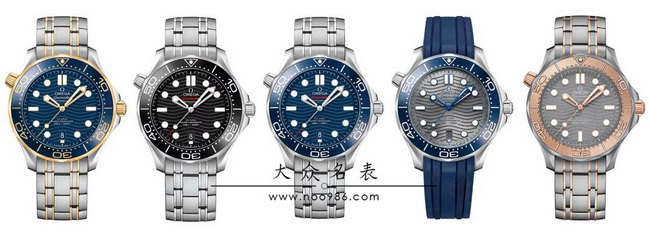
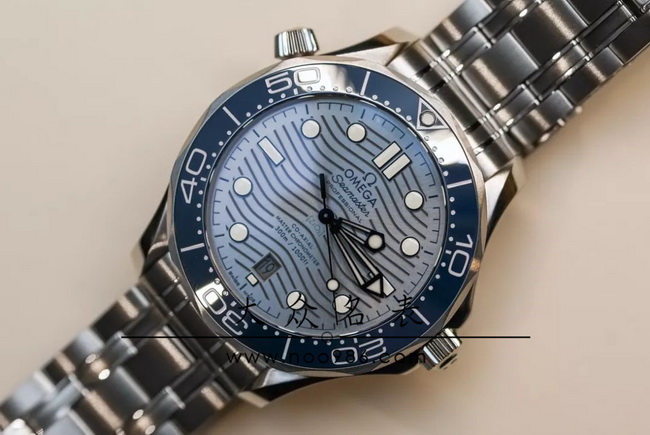
First comes the change in appearance. Instead of a conventional metal‑base dial, the new‑generation Seamaster adopts high‑end high‑tech ceramic as its dial‑making material. Beyond the material upgrade, the new Seamaster features a redesigned dial layout. The former date window at the 3‑o’clock position has been relocated to 6 o’clock, a shift that lends the dial a more balanced aesthetic. In addition, the helium‑escape valve of the updated model has been upgraded from its original cylindrical shape to a conical one.
Don’t be fooled into thinking that a facelift alone counts as a new‑generation update — you would be very much mistaken. Of all the changes brought by this revision, the most striking upgrade is undoubtedly the switch from a solid case‑back to an exhibition case‑back.
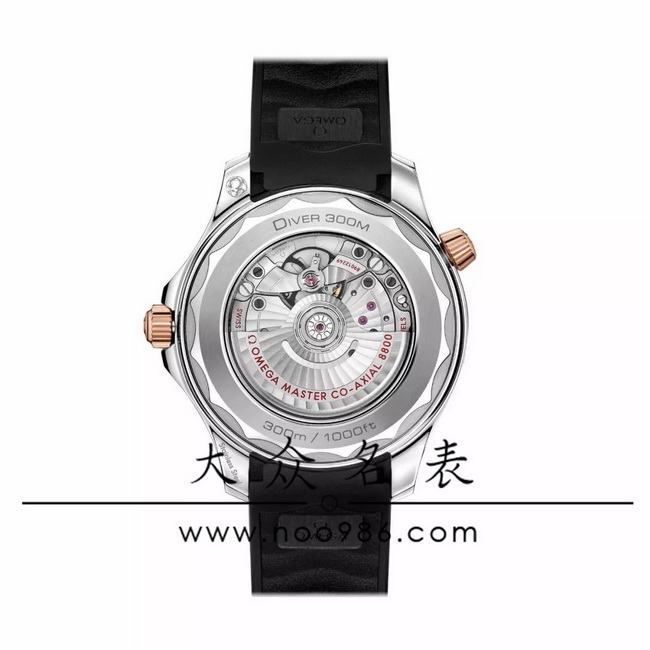
The classic Seamaster 300‑meter collection has long featured a solid case‑back. Its exquisite engraved seahorse emblem has become an icon of the Omega Seamaster line among watch enthusiasts and one of the key reasons behind its popularity. While the new exhibition case‑back means the beautifully engraved seahorse can no longer be seen — a small regret for many owners — it allows wearers to admire the newly redesigned, finely finished Omega Cal. 8800 co‑axial movement through the sapphire crystal. As with many things in life, you cannot have the best of both worlds.
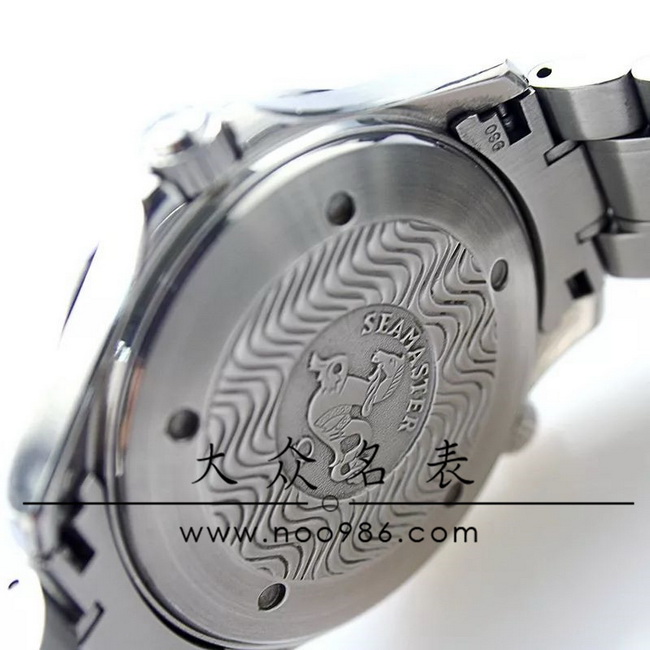
The former‑generation Seamaster 300 with a solid case‑back
I believe Omega’s internal team must have had debates and lengthy discussions over whether to keep the seahorse engraving. The final design we see today is surely the best‑considered choice after careful deliberation. After all, a fine movement is the soul of a watch. You can now freely admire the beautifully finished Cal. 8800 movement. But where did this movement come from?
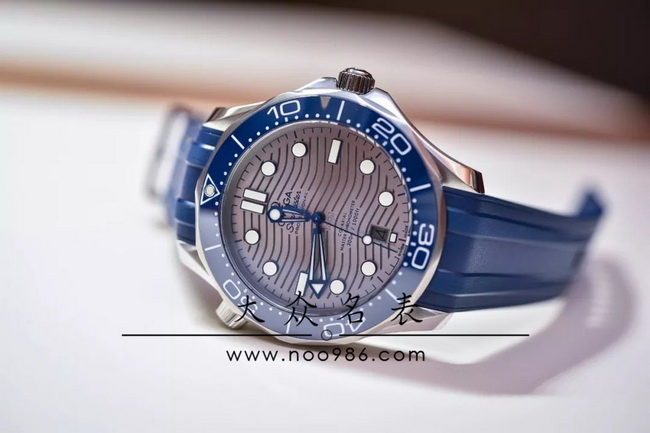
For a long time, the three‑hand version of the classic Omega Seamaster 300‑meter diver’s watch was powered by the Omega Cal. 2500 co‑axial movement. The Cal. 2500 was Omega’s first movement equipped with the co‑axial escapement invented by the late horologist Dr. George Daniels. This pioneering co‑axial movement, developed from the ETA 2892‑A2 base, has been in use since 1999 and has gone through four generations of revisions: A, B, C and D.
The early Cal. 2500A featured a 30‑degree lift angle, which was later updated to the 38‑degree lift‑angle now standard across all Omega co‑axial movements. The beat frequency was reduced from 28,800 vph on the Cal. 2500A and 2500B to 25,200 vph for the 2500C and 2500D, minimizing wear on the escapement. The double‑layer co‑axial escape wheel used in generations A, B and C was replaced by the more sophisticated triple‑layer co‑axial escape wheel in the Cal. 2500D.
The Omega Cal. 2500 movement can therefore be regarded as a witness to the evolution of Omega’s proprietary co‑axial escapement and a cornerstone of the brand’s co‑axial‑movement legacy.
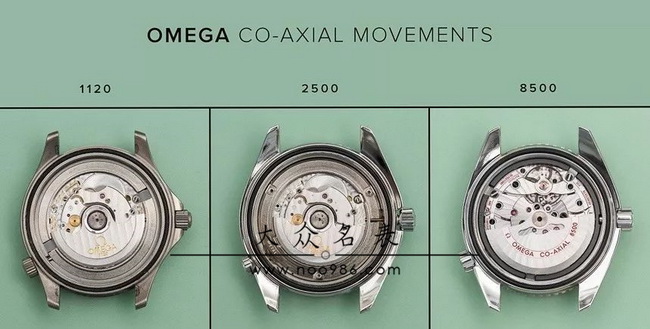
Yet today, in an era marked by a surge of in‑house movements from major watch manufacturers, the Cal. 2500 appears somewhat outmatched on paper. It was therefore in need of a successor. Omega’s newly‑developed Cal. 8800 co‑axial movement, engineered with cutting‑edge technologies in recent years, surpasses its predecessor on every front and represents a vital component in Omega’s drive to reach new heights in the future.
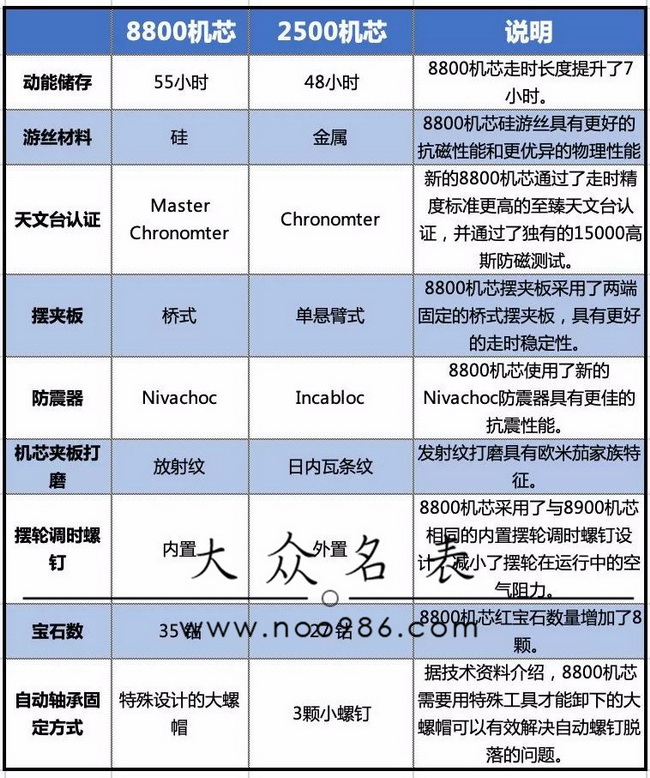
Comparison Between the New Omega Cal. 8800 Movement and the Cal. 2500 Movement
Omega has also released derivative variants of the Cal. 8800 co‑axial movement:
Cal. 8801 —‑ A high‑end variant of the Cal. 8800, with its balance bridge and rotor upgraded to 18‑karat precious‑gold construction.
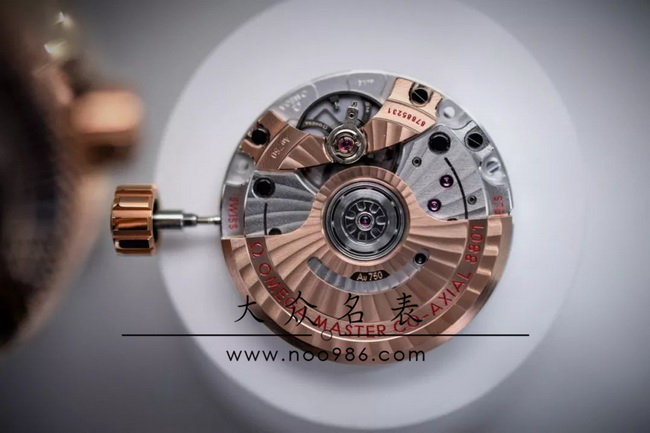
Cal. 8806 —‑ The no‑date variant of the Cal. 8800 movement.
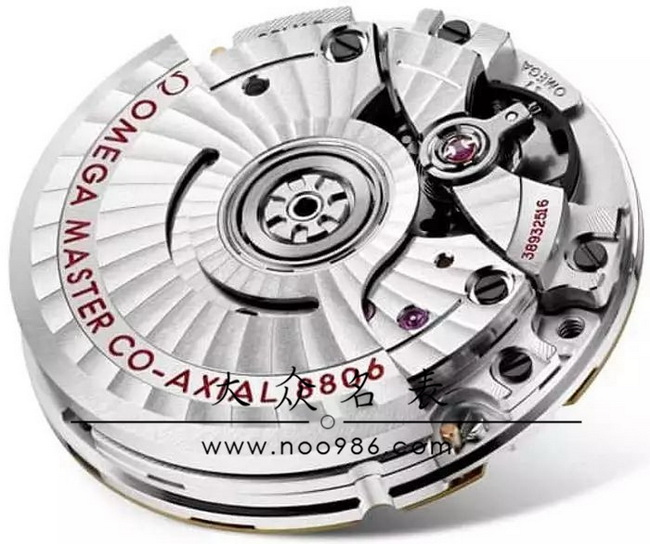
Cal. 8807 —‑ A high‑end variant of the Cal. 8806 movement, featuring a balance bridge and rotor crafted from 18‑karat gold.
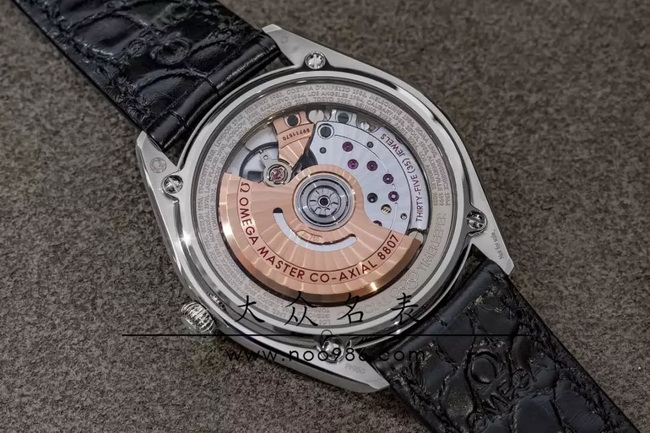
Visually, the Cal. 8800 movement bears a strong resemblance to the Cal. 8900 (the Master Chronometer‑certified variant of the Cal. 8500). They share the Omega‑signature sunburst finishing, silicon hairspring, double‑ended bridge‑style balance‑bridge design, in‑built balance‑wheel timing screws, and Nivachoc shock absorber. A close inspection, however, reveals their most notable difference: the central rotor bearing. The Cal. 8800 employs a ball‑bearing system, while the Cal. 8900 uses a pivot‑style bearing. Personally, I favour the ball‑bearing design for its superior durability.
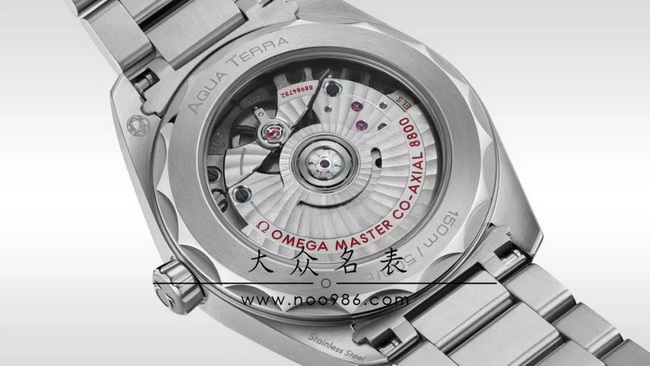
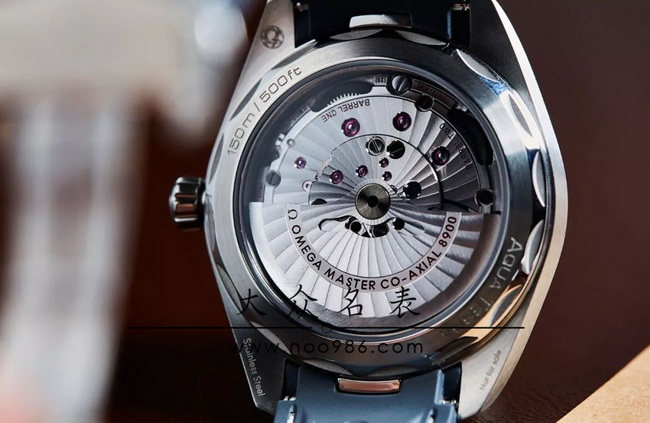
Let’s compare their movement specifications. The Cal. 8800 is noticeably smaller, measuring 26 mm in diameter and 4.6 mm in thickness. Compared with the Cal. 8900, it is 3 mm narrower in diameter and 0.9 mm slimmer. This stems from changes to its internal architecture. The Cal. 8800 adopts a conventional single‑barrel design instead of the sophisticated dual‑barrel configuration found inside the Cal. 8900. The number of balance‑wheel timing screws has also been reduced from four on the 8900 to two on the 8800, with four fewer jewels. Despite these internal simplifications, the Cal. 8800 has still obtained Master‑Chronometer certification and delivers the same level of accuracy as the Cal. 8900. The Master‑Chronometer standard imposes stricter precision requirements than the traditional COSC chronometer certification. More importantly, it includes Omega’s exclusive anti‑magnetism performance tests.

Ordinary watches are susceptible to magnetic interference during daily wear. Once magnetized, adjacent coils of the hairspring may stick together, causing the watch to run fast. With the growing prevalence of electronic devices in everyday life, improved anti‑magnetic performance is undoubtedly one of the most practical features for modern‑day users. Movements certified as Master Chronometers deliver anti‑magnetic protection up to 15 000 gauss, a capability made possible by the adoption of the silicon hairspring. Although the Cal. 8800 is a simplified version of the Cal. 8900, it faithfully carries forward the design philosophy of its predecessor.
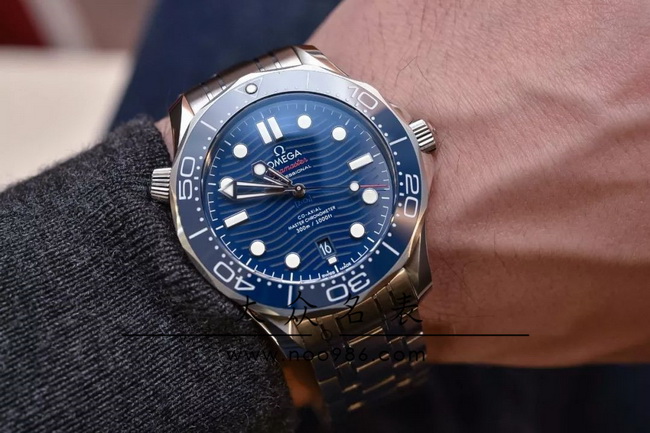
In my opinion, unlike the Cal. 2500 which was modified from an ETA base movement, the Cal. 8800 is a 100% in‑house‑designed Omega movement. While a movement’s quality is not directly determined by whether it is produced in‑house, Omega’s proprietary co‑axial movements have stood the test of the market and passed the rigorous Master Chronometer certification. It is reasonable to predict that Omega will gradually scale down production of the Cal. 2500 in the coming years to make way for the upgraded Cal. 8800.