In watchmaking circles, the use of silicon material has long been a controversial topic. For more than a decade, questions have repeatedly been raised: does the adoption of silicon contradict the values of traditional watchmaking? More than ten years after this material was first implemented, such debates remain unresolved to this day.
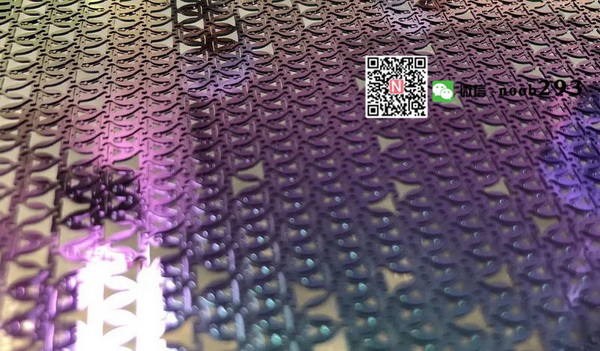
Silicon is one of the most abundant elements on Earth. It can be divided into amorphous silicon and crystalline silicon, while crystalline silicon includes polysilicon and monocrystalline silicon. It features a diamond crystal structure and is cold, hard and brittle. In addition, it boasts excellent anti-magnetic and corrosion-resistant properties. These characteristics make silicon an ideal material for watchmaking.
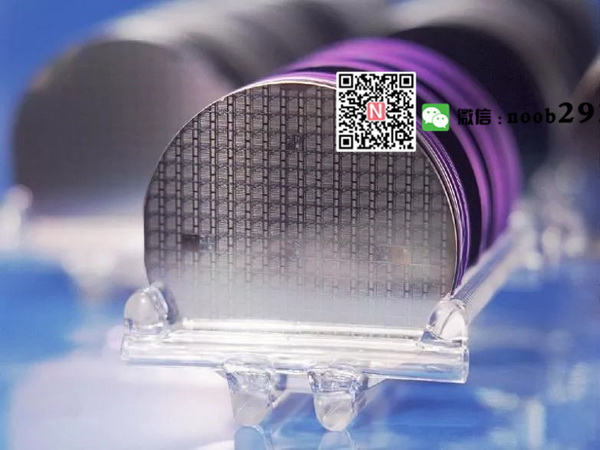
However, precisely because silicon is hard yet brittle, it is extremely difficult to machine — at least traditional hand watchmaking techniques cannot work with it. It was not until mature semiconductor technology emerged that the use of silicon in watchmaking became feasible. Therefore, this breakthrough can be credited to physicists and chemists rather than watchmakers.
This is the root of the industry’s objections to silicon. Watchmakers spent decades patiently refining alloy materials deep in the Swiss valleys, striving for better lubrication and precision, only to see their efforts seemingly in vain. It would be surprising if there were no controversy at all.
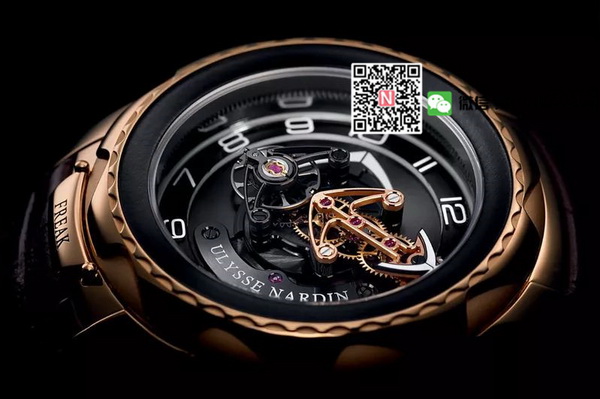
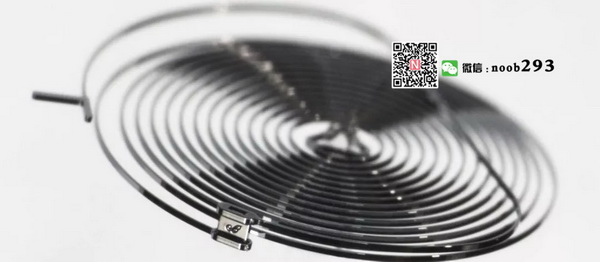
According to legend, the inspiration for the silicon hairspring originated from the legendary British watchmaker Anthony Randall. In the early 2000s, the International Museum of Watchmaking in La Chaux-de-Fonds, Switzerland, began preliminary tests on 25 silicon hairsprings and reached a conclusion: “If we keep pursuing this, it definitely holds great promise.”

At that time, the director of the International Museum of Watchmaking was watchmaker and astronomer Ludwig Oechslin. After recognizing silicon’s potential, he partnered with Ulysse Nardin to jointly develop the relevant technology. Later, Patek Philippe, the Swatch Group and Rolex also funded the project through the Swiss Center for Electronics and Microtechnology (CSEM), hoping to get a piece of the action. Even with investments from these industry giants, the future of this technology remained uncertain back then.
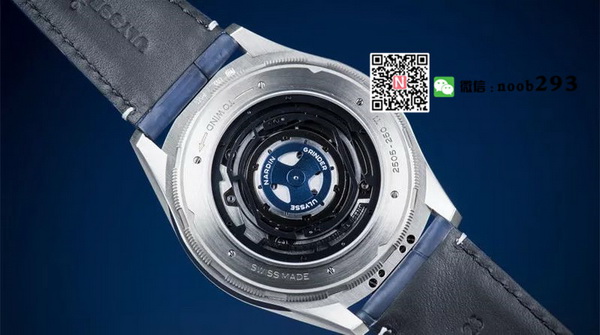
Ulysse Nardin was the pioneer, yet silicon hairsprings only made a massive impact after heavyweight brands like Patek Philippe joined the fray. In 2005, Patek Philippe adopted monocrystalline silicon escape wheels. In 2006, Patek Philippe unveiled the Spiromax® flat silicon hairspring. It is antimagnetic, two-thirds thinner than the traditional Breguet overcoil hairspring, and patented. In 2008, Patek Philippe launched the full silicon Pulsomax® escapement, consisting of a silicon escape wheel and pallet fork. Its optimized geometry boosts power transmission efficiency by 15% compared with conventional escapement systems. Then in 2011, it went even further and released the world’s first silicon balance wheel, the GyromaxSi®, creating a huge stir in the industry.
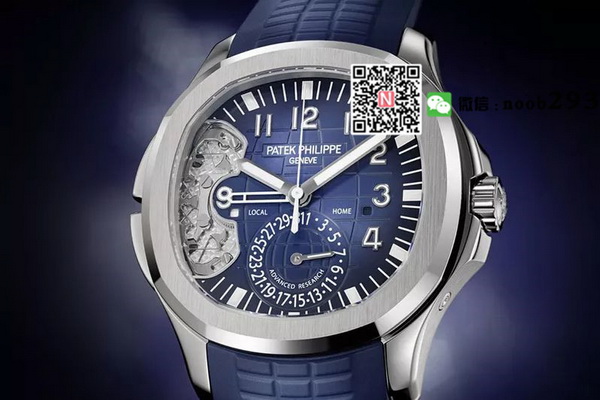
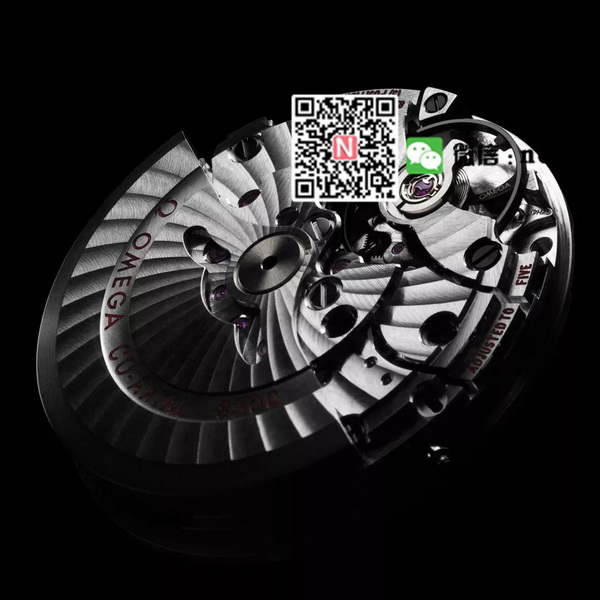
Meanwhile, other brands were not standing idle. The Swatch Group widely adopted silicon components across its subsidiaries including Blancpain, Jaquet Droz, Glashütte Original and Omega. Omega, with its high production volume, made particularly extensive use of silicon, which directly helped it create one of the world’s most antimagnetic watches. In 2011, Tissot even won the chronometry competition with a silicon hairspring.
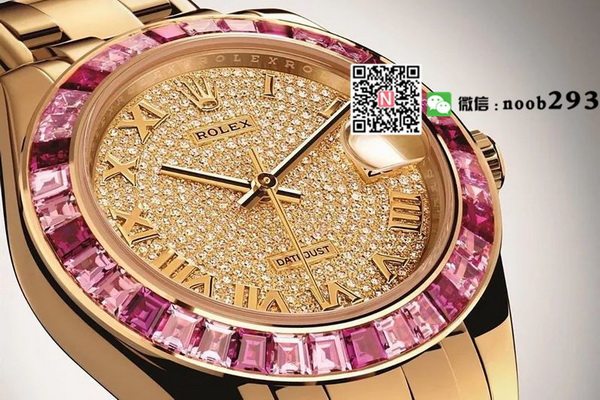
Compared with the other two giants, Rolex, the last of the big three, was far more conservative. It was not until Baselworld 2014 that it belatedly launched models equipped with silicon hairsprings, and these were only ladies’ watches — in line with Rolex’s usual cautious approach.
Unlike other industries, cutting-edge technology is not always well-received in watchmaking, for the value of mechanical watches lies in their commitment to traditional craftsmanship. Mechanical watches’ old rival is the quartz watch. Coincidentally, silicon and quartz share many similarities. Both are vital components of microprocessors in computer systems and are used in modern timepieces such as G-Shock. The application of silicon in watch production, much like quartz watch manufacturing, is a product of high standardization…… Furthermore, the improved precision brought by silicon hairsprings easily evokes memories of the Quartz Crisis. At the 2011 chronometry competition, manufacturers Technotime, Chopard and Tissot, all equipped with silicon hairsprings, swept the awards, reinforcing this negative perception of silicon.
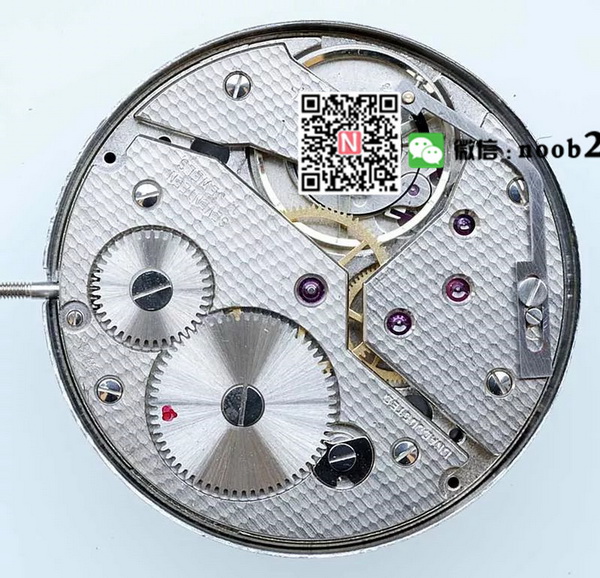
To illustrate this mindset: for some traditionalists within the watch industry, Patek Philippe remains the finest ambassador of age-old watchmaking craftsmanship. But could they truly accept it if Patek Philippe fully adopted this suite of new technologies, including in the classic reference 5550P? To put it dramatically: will silicon, much like quartz, open the door to the demise of traditional watchmaking art? Is this material and technology suitable for mass adoption? Debates of this nature have never ceased.