As mentioned in the previous article, do not overly chase original condition. If you purchase a watch from 2021, 2020 or even earlier, yet the dealer describes it as in untouched 95% original condition, it is just as absurd as meeting a beautiful woman in her twenties today claiming to be a virgin. Moderate polishing and refinishing are common practice in the trade. Think of used cars, watches and mobile phones — sellers will carry out appropriate refurbishment to improve appearance. Still, buying and selling comes down to striking a balance. A watch of a certain age should correspond to a reasonable level of wear. Any condition far above or below this expected benchmark is what we call a red flag.
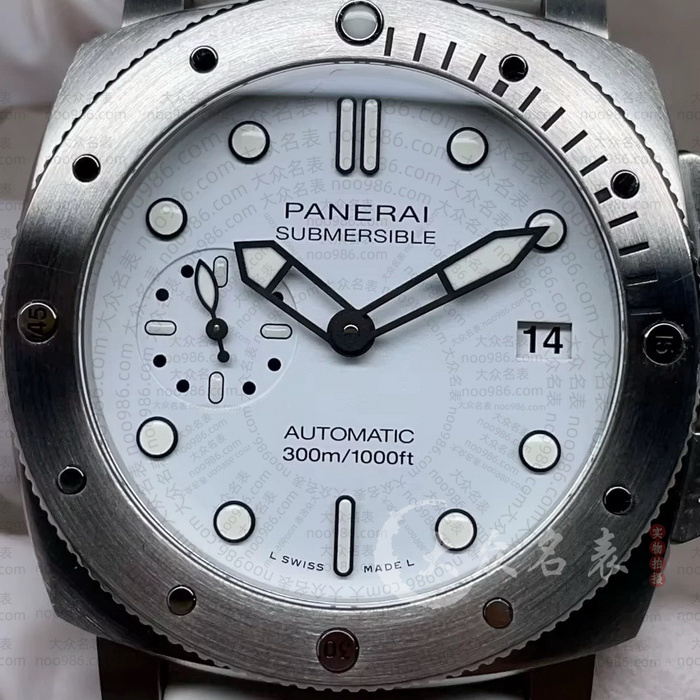
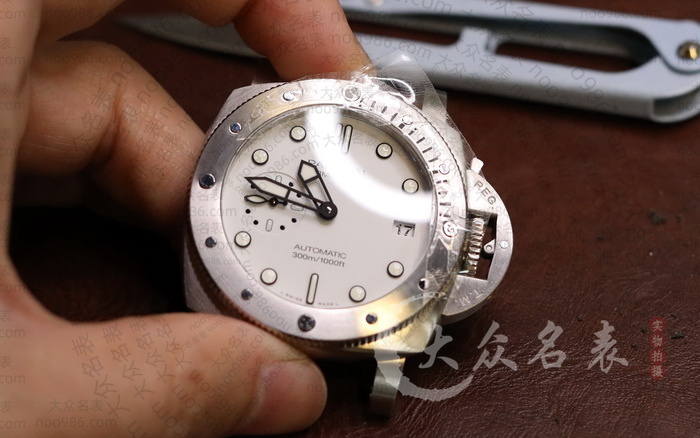
This photo shows the watch’s condition right after arrival. Even at this magnification, signs of wear are visible. I’ve outlined the touch-ups I plan to carry out: cleaning grime off the crystal and restoring brushed finishes. These are only minor repairs.
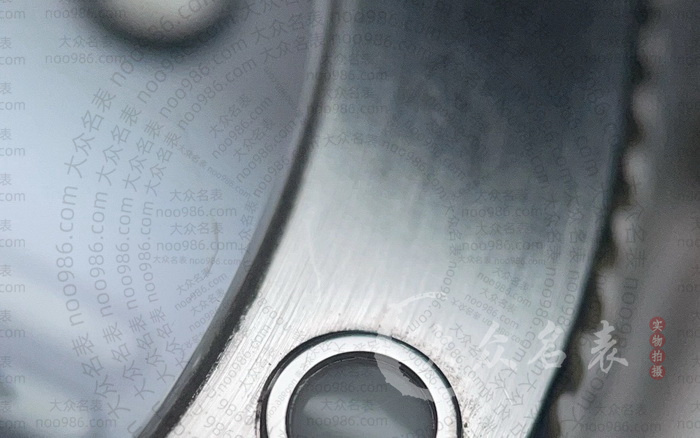
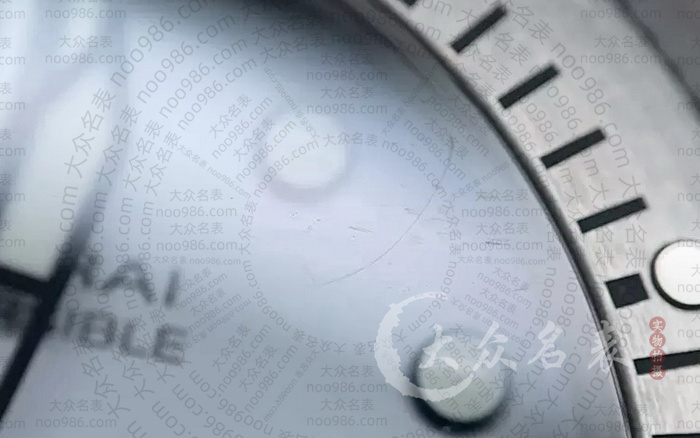
Pay attention to the black marks on the watch crystal shown in the two photos above. From these images alone, it is hard to tell whether they are cracks or scratches. Based on experience, however, these are most likely scratches. The marks could not be wiped off when I received the watch. My analysis is that the sapphire crystal came into contact with a coloured hard object, leaving residue embedded on its surface. Scratches like this rarely form on sapphire crystal naturally, and cracks generally do not appear black. I will use my polishing tool to test and confirm what caused the blemishes.
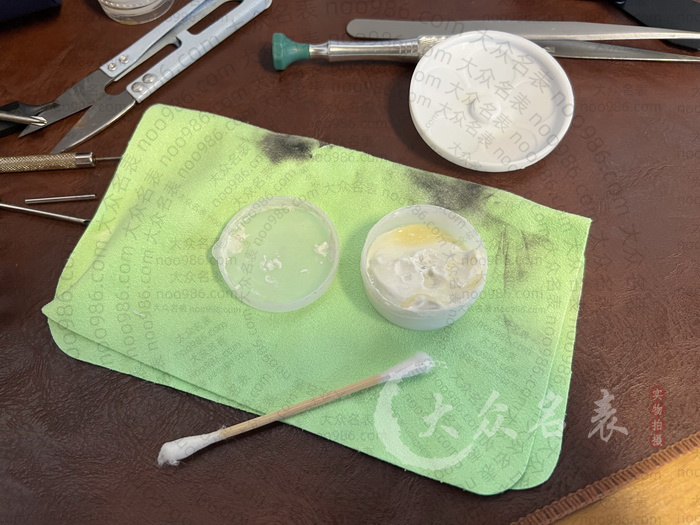
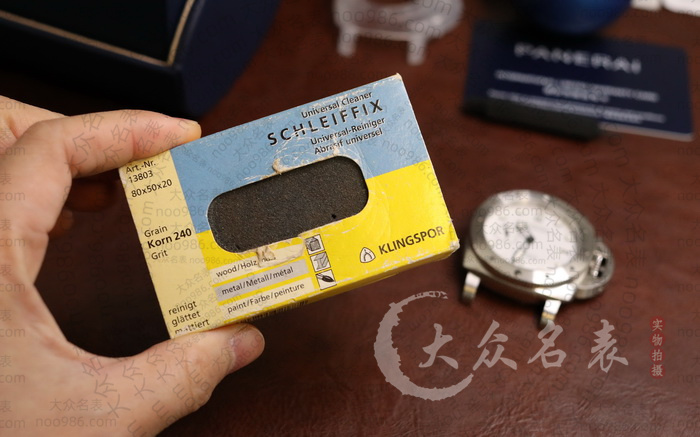
This is the polishing compound. You must mask off all brushed areas before polishing; otherwise, those brushed surfaces will turn glossy, resulting in an unsightly finish. Let’s jump straight to the after-polishing result: the black scratches have been completely removed.
Speaking of crystal polishing, I have a gripe about IWC. The brand tends to use various tinted coatings. These coloured coatings are usually applied on the inner side of the crystal, though some early models may have them on the exterior. Once polished, the coating peels off in patches and looks terrible. Few watch brands use tinted coatings. A watch crystal is meant to enhance clarity for time reading. What is the point of adding unnecessary colourful coatings?
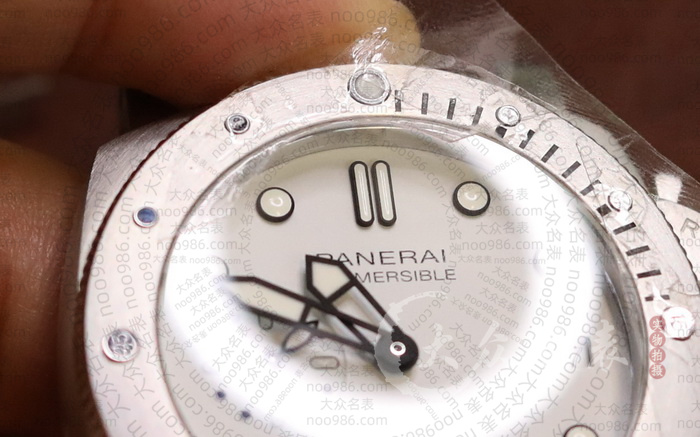
Next, we will carry out light brushing treatment to remove these minor scratches.
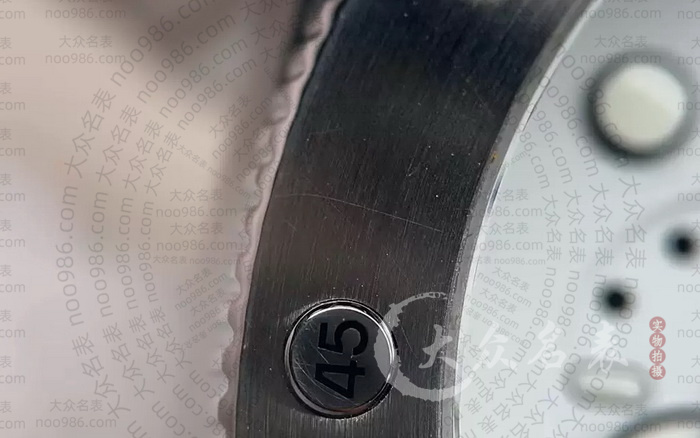
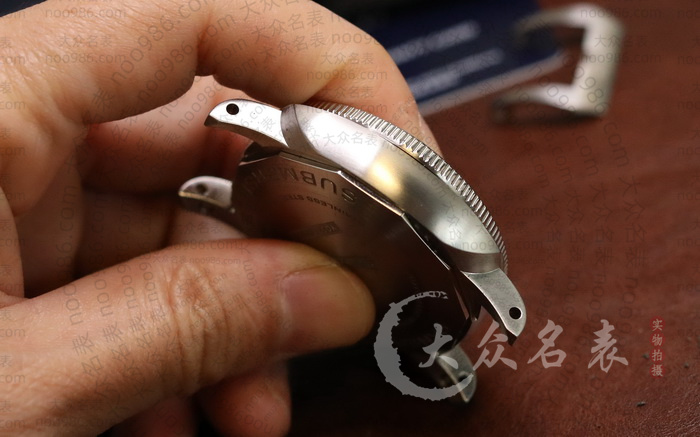
Signs of wear can also be seen on the side of the case. They were caused by the original owner’s habit of laying the watch on its side, which created this type of abrasion.
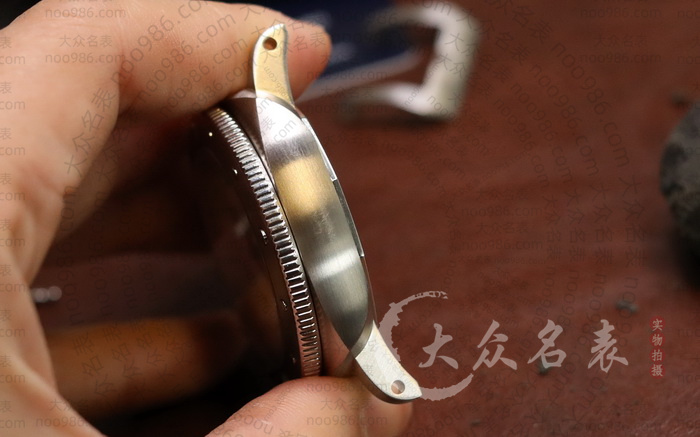
The buckle faces downward, so it suffers relatively heavy wear. The scratches appear shallow visually and should be easy to fix.
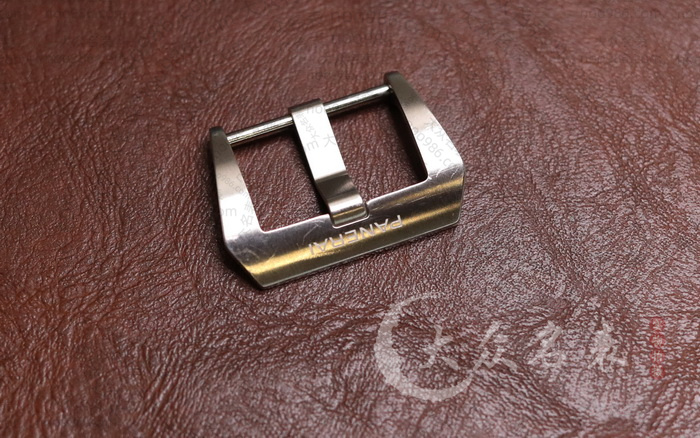
Bring out the brushing tool. One critical rule when using this tool: always rub along the direction of the grain of the brushed finish, working in single straight strokes. Never use circular motions. Rub a few times, inspect the result, then repeat the process.
Let’s check the results: the scratches on the case side and buckle are mostly removed, and the original brushed grain has been preserved. The process itself is quite straightforward; the real challenge lies in technique and patience.
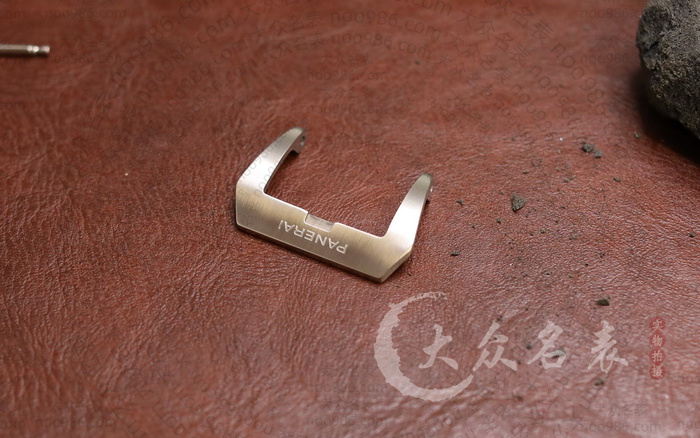
The watch didn’t actually need these minor touch-ups. For a personal timepiece, scratches are inevitable sooner or later. But how can you truly own a watch you collect if it bears no mark from you? Platonic affection is not what I seek. Along the way, I’ve also put together this simple demonstration for everyone.
For watches with heavier wear, you will need to invest more time and care. If the dial or hands are damaged, refinishing them becomes far more complex; such work should only be handled by professionals with specialized equipment. The simple repairs mentioned above are achievable for anyone. For more intricate metal bracelets, take it fully apart and refinish each link one by one. DIY watch restoration can be a deeply rewarding hobby.