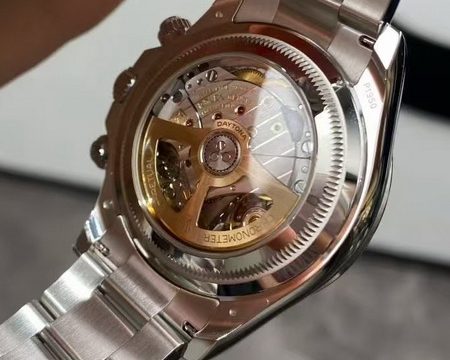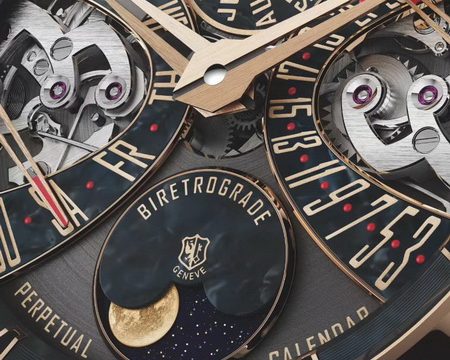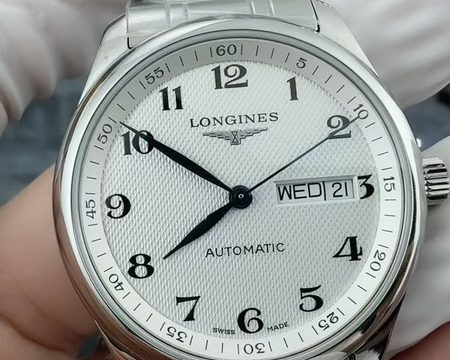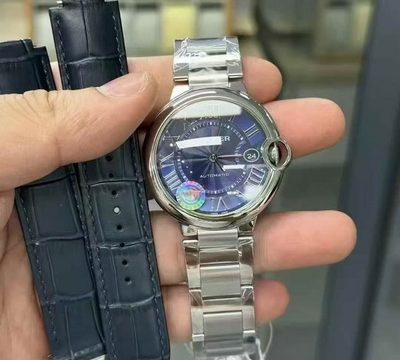

“Swiss Made” means Manufactured in Switzerland. Today, it has become one of the symbols representing Swiss watchmaking quality and standards within the watch industry. It stands for the exquisite craftsmanship of watchmakers and the outstanding quality of Swiss timepieces. Many luxury watches bear the “Swiss Made” marking on their dials. This origin label signifies more than just the manufacturer’s nationality; it also represents the superior technical quality of Swiss watches.

Many consumers today look for the “Swiss Made” label and only purchase Swiss watches. At the same time, however, the “Swiss Made” marking has been misused by numerous counterfeit manufacturers, causing varying degrees of negative impact on the reputation of genuine Swiss Made timepieces. Today we will talk about what “Swiss Made” actually means.
As early as 1971, Switzerland formulated and released the Ordinance on the Use of the “Swiss” Designation for Watches to regulate the use of “Swiss Made”. In 1992, the newly enacted Trademark and Indications of Source Protection Law strengthened enforcement. Later in 2007, the Federation of the Swiss Watch Industry (FH) tightened the criteria for “Swiss Made”: at least 80% of the manufacturing value of a mechanical watch must be achieved in Switzerland, while the threshold for quartz watches stands at a minimum of 60%.
Can all Swiss watches bear the “Swiss Made” marking?

Not exactly! According to Clause 1 of the Ordinance on the Use of the “Swiss” Designation for Watches, watchmakers must meet the following requirements to mark timepieces with terms including “Swiss” or “Swiss Made”: the watch must be fitted with a Swiss movement, assembled in Switzerland, and undergo final inspection in Switzerland. Starting from January 1, 2017, a watch may carry this label only if 60% of its component costs originate from Switzerland and its technical development is also conducted in Switzerland.
What is the definition of Swiss Movement?
One prerequisite for using the “Swiss Made” mark is the adoption of a Swiss movement. So how is a Swiss movement defined? According to Clause 2 of the Ordinance on the Use of the “Swiss” Designation for Watches, a movement must satisfy three criteria: it is assembled in Switzerland, undergoes final inspection in Switzerland, and Swiss components account for at least 60% of the total component value. Only movements meeting these requirements can be referred to as Swiss movements.

Of course, even if a movement is manufactured in Switzerland, this does not mean the watch can bear the “Swiss Made” marking on its dial. If the watch is assembled outside Switzerland, the marking may only appear on one of the movement’s components, and only the words “Swiss Movement” are permitted on the dial. Meanwhile, per Clause 3, the font, size and colour of the movement marking must match those used for the word “Swiss”, with full spelling required.
How can the “Swiss Quartz” label be used?

Provided the watch is genuine, if “Swiss Quartz” is printed on its dial, then the watch is fully Swiss-originated. The “Swiss Quartz” marking can only be applied to watches manufactured in Switzerland with Swiss quartz movements. Watches made outside Switzerland are not allowed to carry this marking on the dial, even if they are fitted with Swiss quartz movements.
How are markings for other components defined?
Swiss Parts: This marking may be applied to the movement when the components of the watch movement are produced in Switzerland, yet the movement is not assembled in Switzerland. Under no circumstances can this marking appear on exterior parts such as the dial or case. Therefore, this label cannot necessarily be seen directly from the outside.

Bracelet Suisse: The “Swiss Made” marking may be engraved on the bracelet only when both the watch and the bracelet are manufactured in Switzerland. If a Swiss bracelet is fitted to a non-Swiss watch, the bracelet can only indicate that the bracelet itself is produced in Switzerland. Meanwhile, a bracelet can be deemed Swiss-made only if its main manufacturing processes are completed in Switzerland and over 50% of its value originates there. Therefore, bracelets without the “Swiss Made” inscription may be produced by factories in other countries or regions.

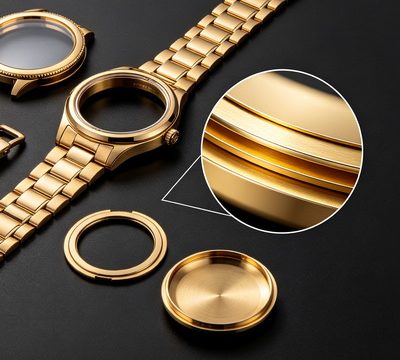
Swiss Case: Three criteria must be met to mark a watch box with the “Swiss Case” designation. First, the main manufacturing processes are completed in Switzerland. Second, assembly and inspection are carried out in Switzerland. Third, at least 50% of the production work must be performed in Switzerland. Only boxes fulfilling these three requirements can bear the “Swiss Case” label. If the box contains a non-Swiss watch, the origin marking for the watch movement or the entire timepiece must be affixed to the watch case.

Some people mistakenly think “Made in China” and “Swiss Made” mean the same thing. However, what “Swiss Made” stands for carries far more weight than “Made in China”, which merely indicates the manufacturing processes took place in China. Of course, not all Swiss watch brands choose to use the “Swiss Made” label. For instance, H. Moser & Cie refused the “Swiss Made” marking in protest against the new Swiss Made regulations, aiming to prove its point. The brand insists on crafting genuine Swiss timepieces without the “Swiss Made” inscription.