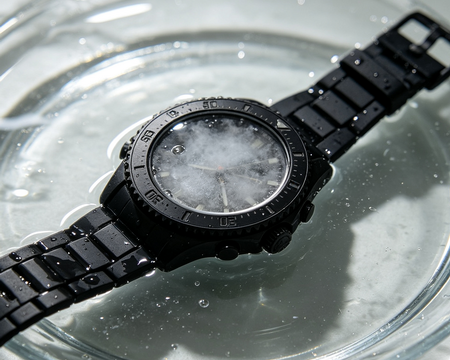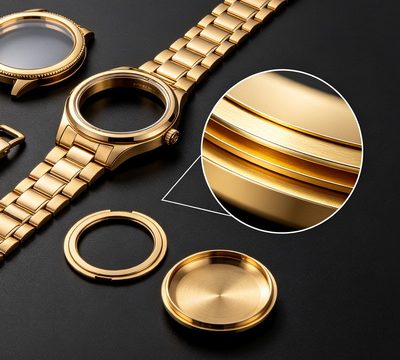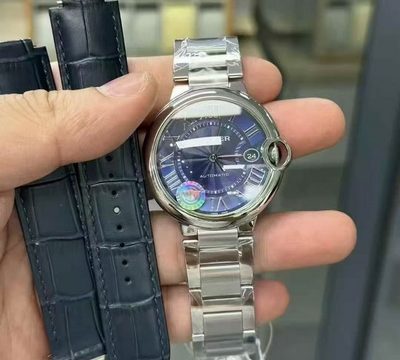

As we all know, the watch crystal is the transparent cover over the dial that serves to protect it. Before the 16th century, however, watch crystals did not exist. When timepieces were first invented, delicate dials were merely covered by a simple housing or even left completely exposed.
Materials such as silicate glass, natural rock crystal, fused silica glass, acrylic, mineral glass and sapphire were gradually introduced later, marking the evolutionary history of watch‑crystal materials. Today, apart from a handful of vintage‑style models fitted with plastic acrylic crystals, the vast majority of high‑end watches use sapphire crystal.
There are three main types of watch‑crystal materials in modern horology: acrylic, mineral glass and sapphire. Let us take a brief look at each one.
Acrylic
Transparent silicate glass was brittle and prone to scratching, and was quickly replaced by slip‑resistant and wear‑resistant fused silica glass in the 1920s. Well‑known acrylic arrived on the scene in the 1940s. Also known as PMMA or plexiglass, its name derives from the term “acrylic”. Its chemical designation is polymethyl methacrylate.
Compared with fused silica glass and silicate glass, acrylic is shatter‑resistant. Soft and highly malleable, it can be easily reworked afterwards using sandpaper or a file. On the downside, it scratches very readily and offers slightly inferior clarity. It is mostly used on entry‑level watches.
Mineral Glass
With the development of the glass‑making industry, mineral glass, also known as artificial glass, came into being. It is produced by melting silicon together with lead oxide (or potassium oxide, barium oxide and other compounds). When used as watch crystals, this material is usually polished and hardened. It delivers excellent light transmission and strong impact resistance. It registers roughly 4‑6 on the Mohs hardness scale and is generally fitted to mid‑range and entry‑level watches.
Sapphire
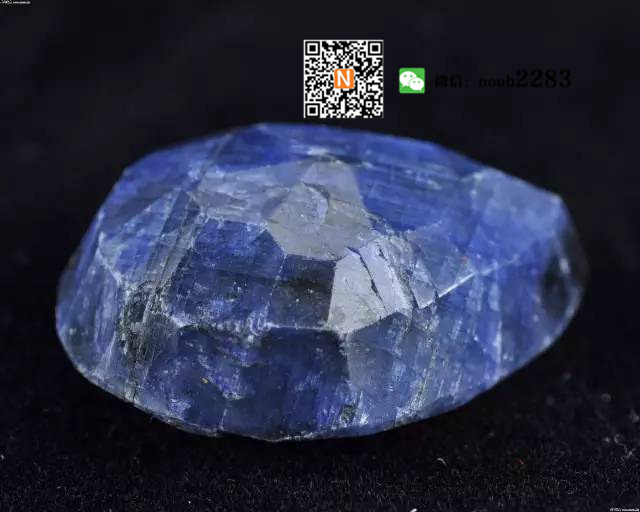
Sapphire is the collective term for all corundum gemstones other than red ruby. Its primary chemical component is aluminium oxide (Al₂O₃). Accordingly, sapphires can appear in shades of pink, yellow, green, white, and some stones even display multiple colours. Blue sapphires get their hue from trace impurities of titanium (Ti) and iron (Fe) incorporated within colourless transparent corundum.
Sapphire began to be used for watch‑crystal manufacturing after the 1970s. Sapphires fall into two categories: natural and synthetic. Many people associate the word “sapphire” with high value. Nevertheless, the sapphire used for watch crystals is not costly natural sapphire, but synthetic sapphire. Finished synthetic sapphire watch crystals are reasonably priced.
What Makes Up a Sapphire Watch Crystal?
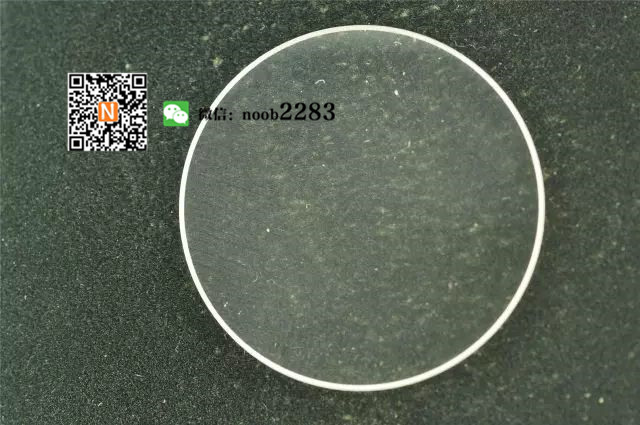
The sapphire crystals fitted to modern watches are essentially aluminium oxide with impurities such as iron oxide and titanium oxide removed. Chemically speaking, synthetic sapphire is identical to natural sapphire. Since no additional colour‑inducing elements are added, it is colourless and transparent, featuring no hint of blue.
Why are synthetic sapphire watch crystals so much more expensive than other types of watch glass? The main reason lies in high manufacturing costs. Pure aluminium oxide is subjected to extreme heat to produce raw synthetic sapphire. Given its extreme hardness, special diamond‑tipped tools are required to cut it into round blanks, which are then polished into finished watch crystals. This process incurs substantial wear‑and‑tear on processing tools.
What are the Advantages and Disadvantages of Sapphire Watch Crystals?
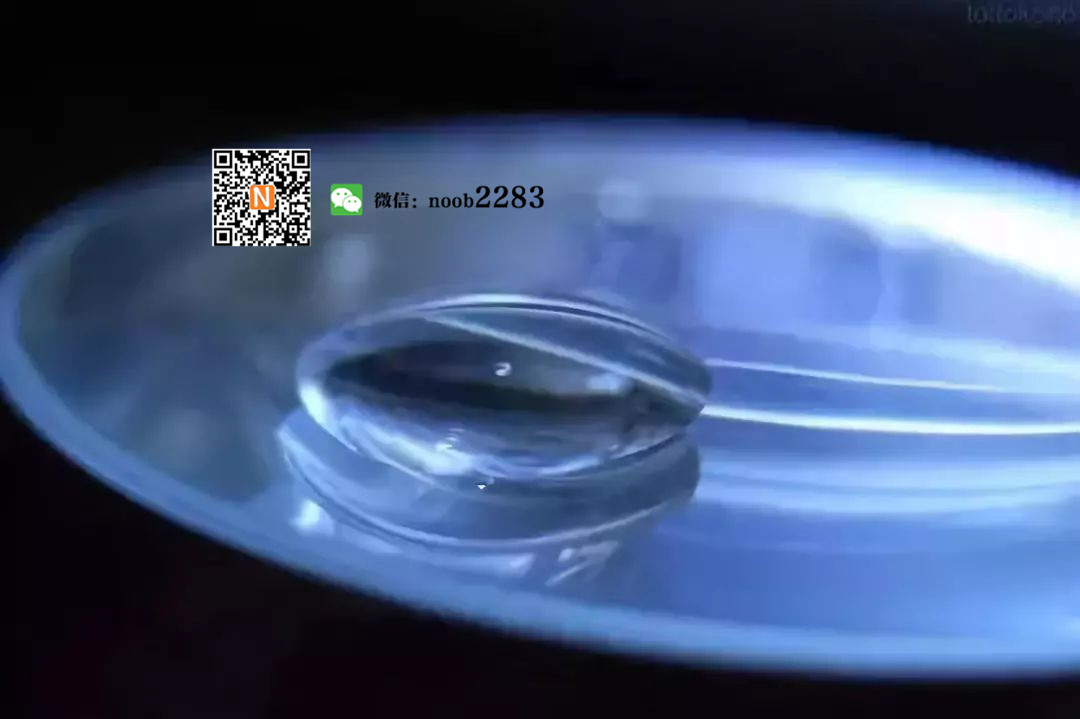
On the Mohs scale, sapphire crystal ranks second only to diamond in hardness. Its benefits include high density, excellent scratch resistance, great light transmission, and high‑temperature tolerance. It delivers far superior wear resistance compared to mineral glass and acrylic watch crystals.
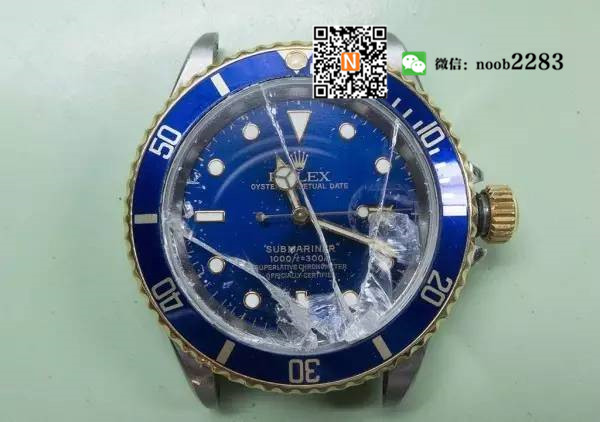
Its main drawback is poor shock resistance. Despite its great hardness, sapphire is brittle. A heavy impact against hard objects may cause it to shatter instantly.
Why Do Scratches Still Appear on Sapphire Watch Crystals?
Some watch enthusiasts may notice scratches on their sapphire watch crystals. In the vast majority of cases, these marks are scratches on the anti‑reflective coating applied to the crystal surface. Made of magnesium fluoride, this coating is highly susceptible to scratching and cannot be repaired.

Then why apply the coating if it scratches so easily? Sapphire crystals suffer from a common flaw shared by all glass surfaces: reflection. The intensity of glare varies depending on the viewing angle. At certain angles, reflections can completely obscure the dial, leaving nothing but bright dazzle in sight. The coating on sapphire watch crystals is designed to reduce such reflections and improve the watch’s legibility.
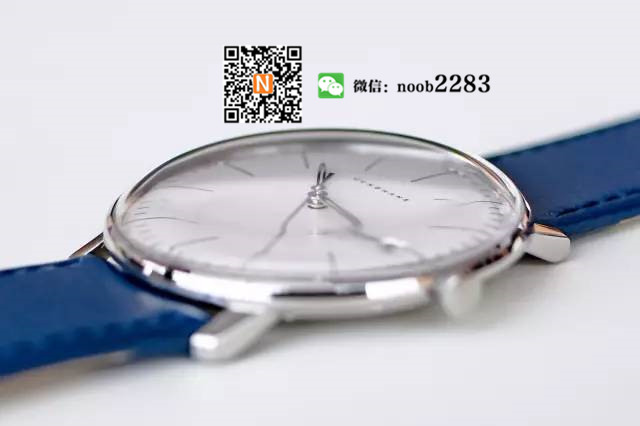
Furthermore, this coating is usually blue. It creates a blue‑tinted effect when viewing the dial and hands through the sapphire crystal. The coating is applied to correct this colour shift, so that the watch’s true colours can be reproduced accurately through the crystal. The optical principles behind this effect will not be elaborated here.
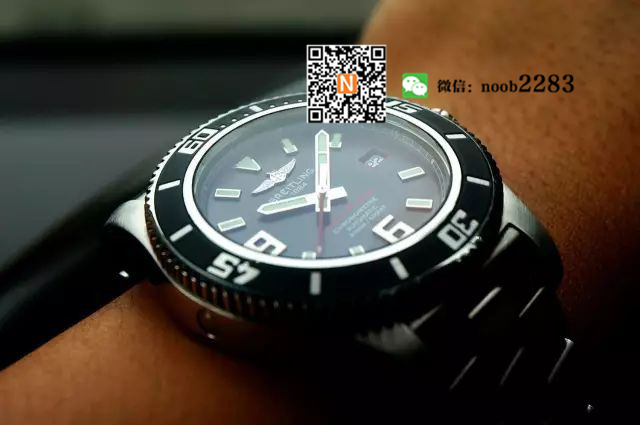
In short, the coating reduces glare on sapphire watch crystals, boosts light transmittance, and corrects colour aberration caused by the sapphire material.
It should also be noted that the coating can wear off through rubbing, so never use abrasive materials for cleaning.
How to Identify a Sapphire Watch Crystal?
Many watch enthusiasts struggle to verify whether their watch is fitted with a genuine sapphire crystal. First of all, bear in mind that home‑brew tricks are mostly unreliable. Popular online methods such as the breath‑fog test, water‑drop test, scratch test and sound‑tap test are far from dependable. Do not try scraping the crystal with knives or metal objects for testing purposes — keep in mind that many crystals have a surface coating. Simply put, do not take unnecessary risks.
For watches from official brands fitted with sapphire crystals, special markings such as “SAPPHIRE” or “Sapphire Crystal” are usually printed on the dial or case‑back, sometimes accompanied by a rhombus symbol.