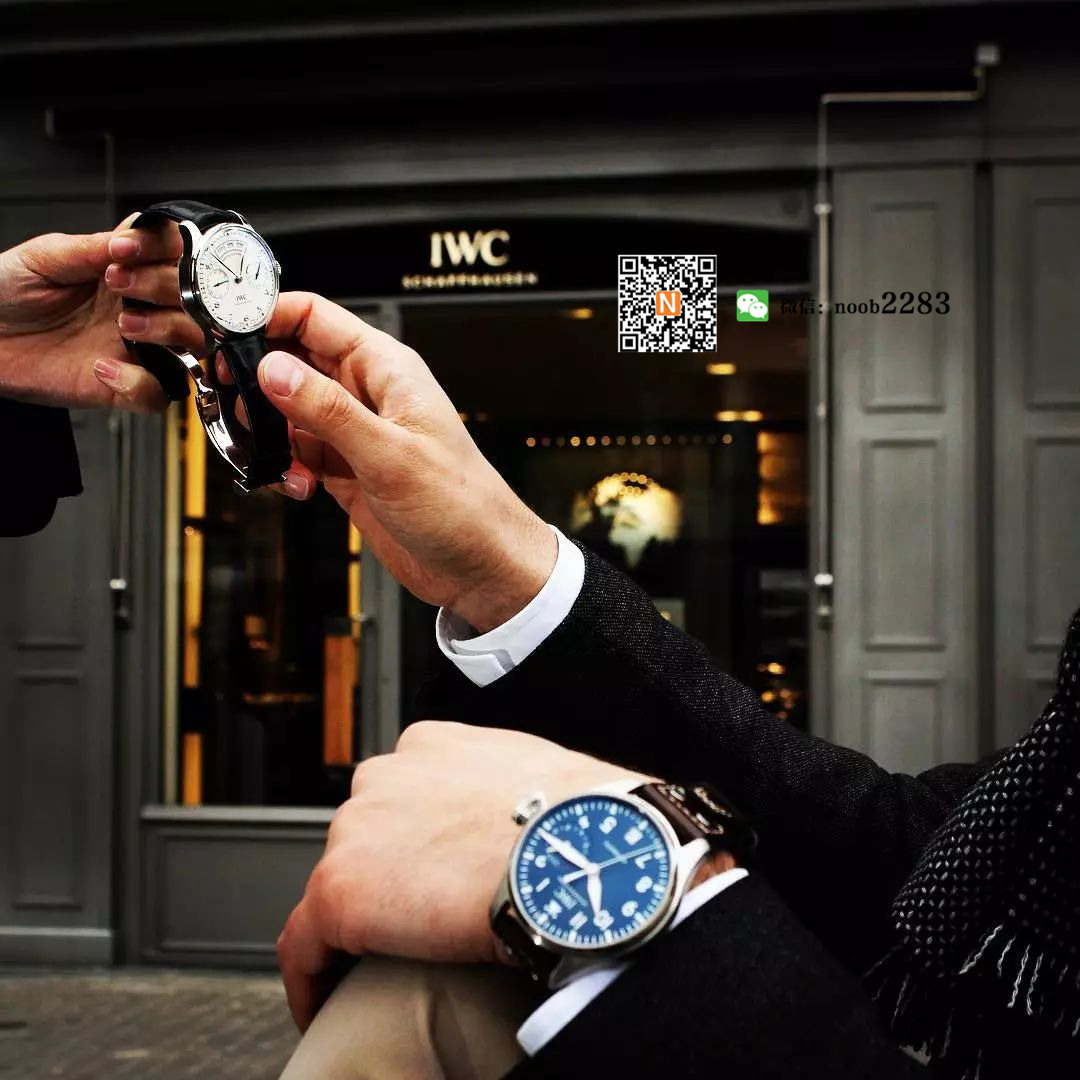
When talking about IWC, anyone with even basic watch knowledge has heard of the brand. Even our junior female staff is a big fan of it. IWC frequently appears in our watch recommendations and enjoys great popularity among watch enthusiasts. Among IWC’s extensive lineup, the Pilot’s collection stands out as arguably its most iconic series.

IWC was founded in 1868, boasting over 130 years of watch‑making heritage. It was established in Schaffhausen, where local horology dates back to the early 15th century — a full 459 years before IWC came into being. Yet it was not until IWC set up its manufacture that people gained firm command over time‑keeping precision.

In the early days of human aviation, purpose‑built wristwatches for pilots were extremely rare. Most pilots still relied on pocket watches for flights back then. In December 1896, IWC sold a watch with a 14‑karat‑gold case and the in‑house manufactured Calibre 53 movement to A. Kohler, an IWC retailer in Leipzig, Germany. This was IWC’s very first timepiece destined to take to the skies.
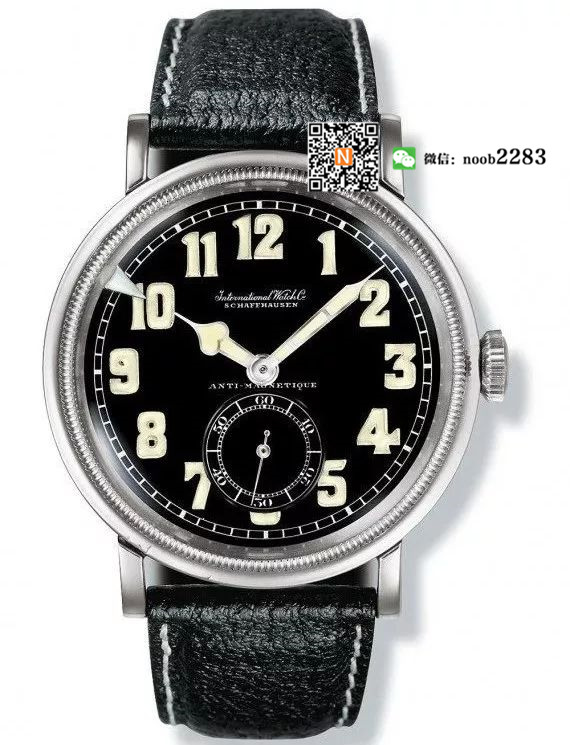
The passionate bond between IWC Schaffhausen and the theme of aviation began with its first custom‑built pilot watch manufactured in 1936. Traces of this pioneering model can still be seen on modern‑day IWC Pilot’s watches. Its robust crystal, distinctive rotating bezel with an arrow‑shaped index, as well as high‑contrast, highly legible luminous hands and numerals, are unique designs that set IWC apart from its peers.
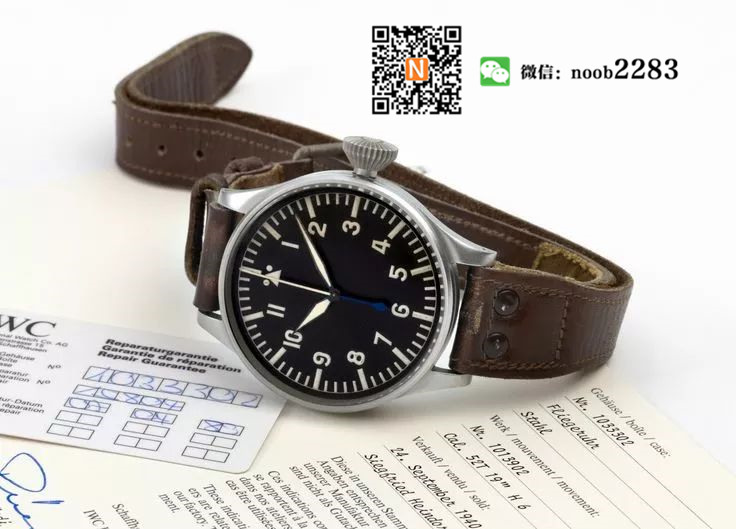
Only four years later, IWC expanded its Pilot’s collection by releasing its first precision navigation timepiece, the Big Pilot’s Watch. Measuring 55 mm in case diameter and 16.5 mm in thickness, it ranks as the largest watch IWC has ever made.
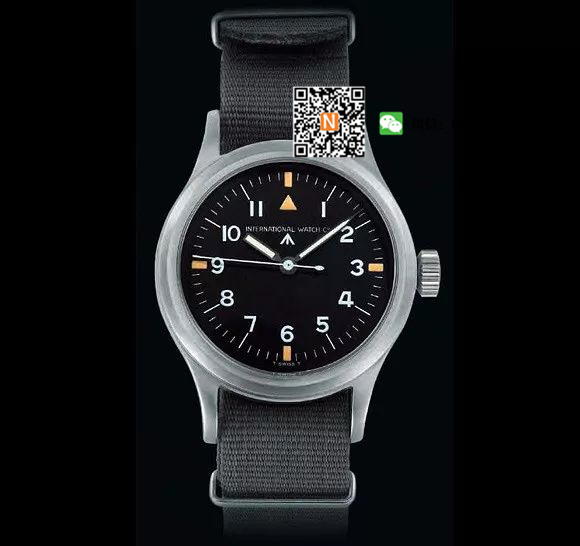
In 1948, inspired by large‑case watch designs, IWC created the Mark XI equipped with the hand‑wound Cal. 89 movement. This timepiece was specially issued for Royal Air Force pilots. It featured rigorous technical specifications and had to resist magnetic interference during operation. It remained in service all the way until 1981.
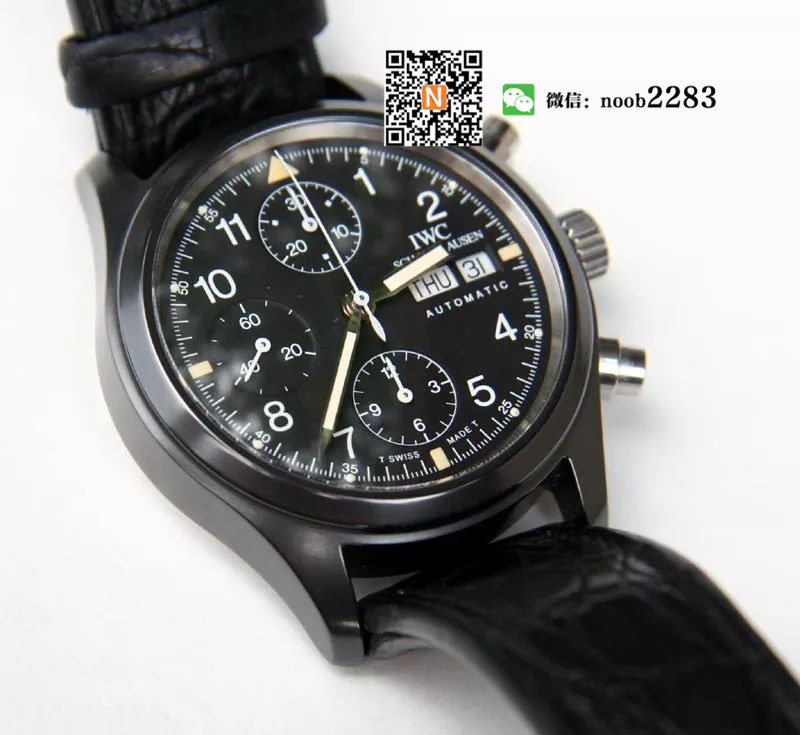
More than four decades after the launch of the Mark XI, IWC drew on its pilot‑watch heritage and brought out the IWC Pilot’s Chronograph. In 1994, it released another chronograph engineered for modern aviation, housed in a case made of high‑tech zirconia ceramic. This premium material boasts hardness comparable to sapphire.

Also in 1994, more than forty years after the Mark XI, IWC re‑interpreted the model and launched the Mark XII. Only a date window was added at the 3‑o’clock position. Thanks to advances in luminous‑coating technology, the hands and hour markers also became much slimmer. This marked the first commercial iteration of the Mark line as IWC’s key aviation‑themed watch. Production ran until 1999. IWC released multiple special‑edition Mark XII variants in different materials, and these classic pieces have become highly sought‑after among collectors.
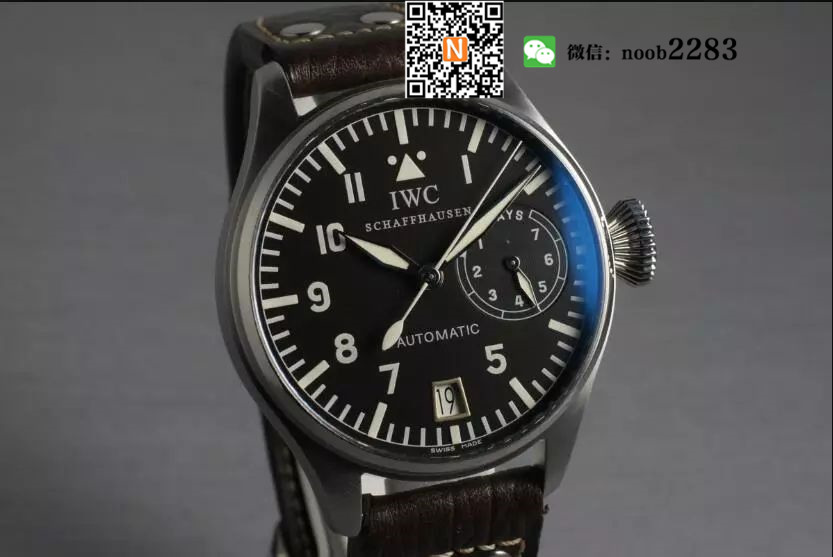
At the 2002 SIHH Geneva Watch Fair, IWC revived the large‑case trend by unveiling the Big Pilot’s Watch. It impressed audiences with its formidable functions, featuring a full‑calendar movement, an automatic winding system, a power‑reserve indicator and a date display. With a case diameter of 46.2 mm, it stands out uniquely among IWC watches.
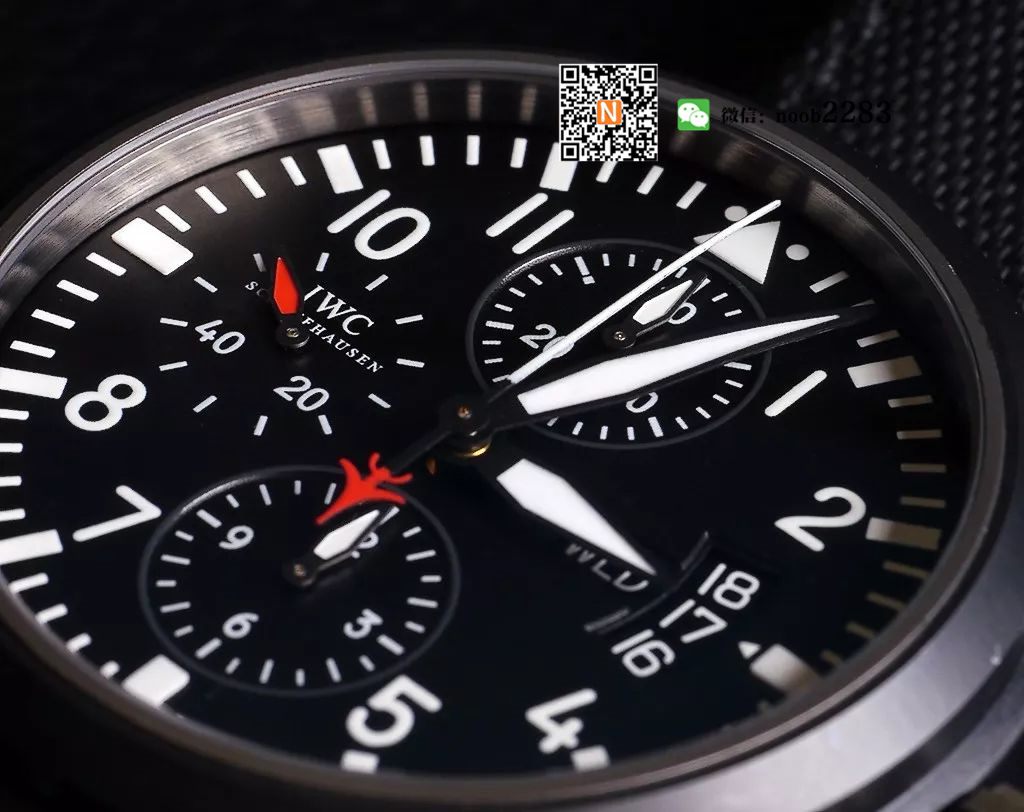
In 2007, the watch named “TOP GUN” Naval Air Warfare joined IWC’s Pilot’s watch collection for the first time. When it comes to TOP GUN, many people immediately think of the 1986 movie *Top Gun* starring Tom Cruise. In fact, the name originates from the special “Fighter Weapons Instructor” training course offered by the United States Navy Fighter Weapons School, known as Top Gun.
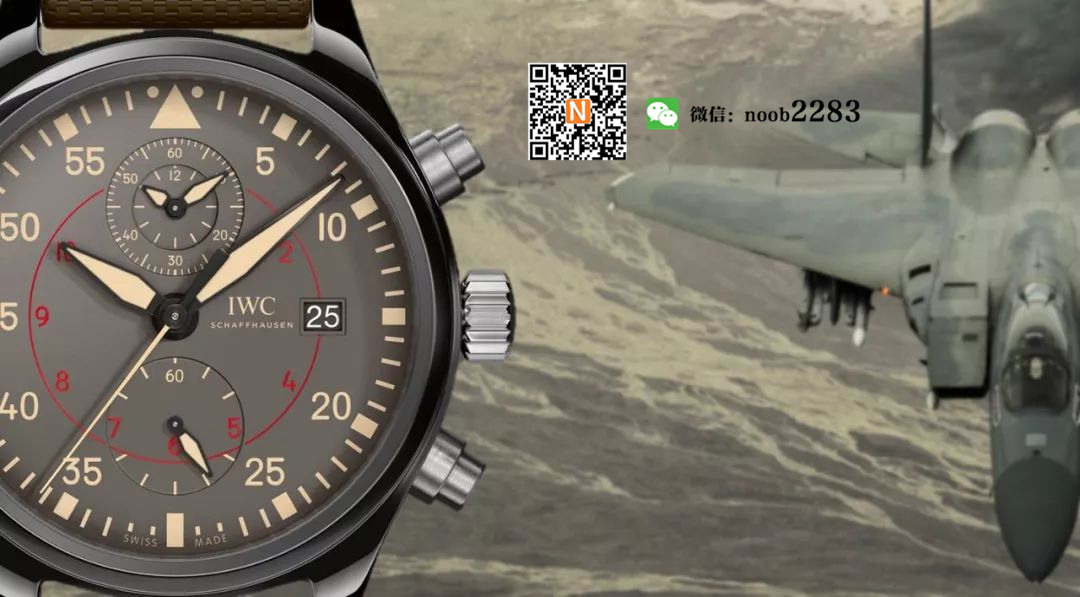
Then in 2012, the TOP GUN Naval Air Warfare watch collection made its dazzling debut, carving out its own distinct identity within IWC’s Pilot’s watch lineup. Additionally, the MIRAMAR model with authentic military‑style design was introduced for the very first time. The MIRAMAR features an embossed calf‑leather strap evoking the green fabric aesthetic of nylon straps. The luxurious five‑link stainless‑steel bracelet is either fully satin‑finished, or combines polished and satin‑finished links, lending extra allure to the bracelet.
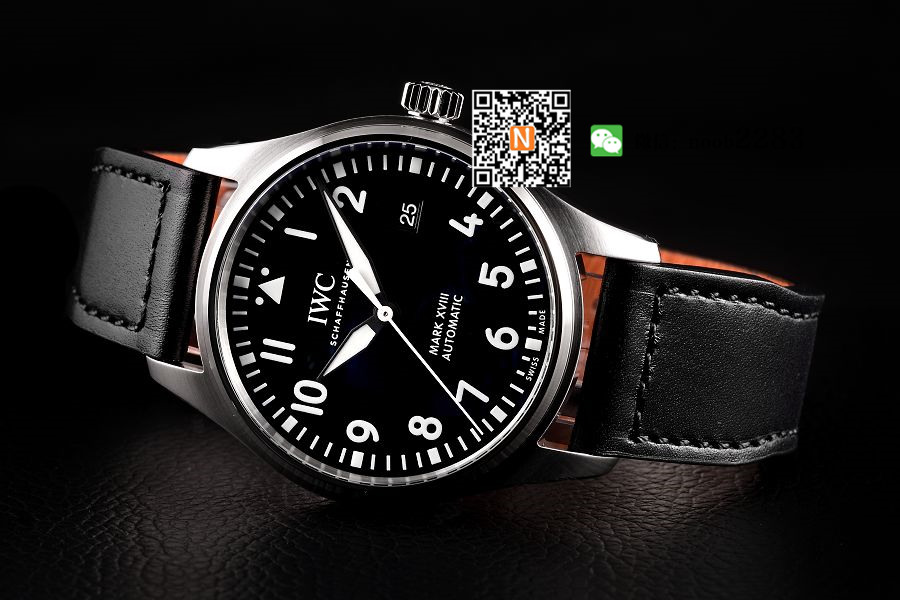
In 2016, IWC kept rolling out new Pilot’s watch models, ranging from the heritage‑driven Big Pilot’s Heritage Watch, to the stylish Mark XVIII Pilot’s Watch, and the elegant Pilot’s Automatic 36. The Pilot’s collection has continued to expand and has gained immense popularity among numerous watch enthusiasts.

At this year’s Geneva Watch Fair, IWC invited its close friend Chen Bolin to attend the exhibition. On his wrist was the special‑edition Pilot’s Perpetual Calendar “Antoine de Saint‑Exupéry”. Its sun‑burst smoky‑grey dial displays the lunar cycle, along with hours, minutes, seconds, date, day of the week, month and four‑digit year indication.