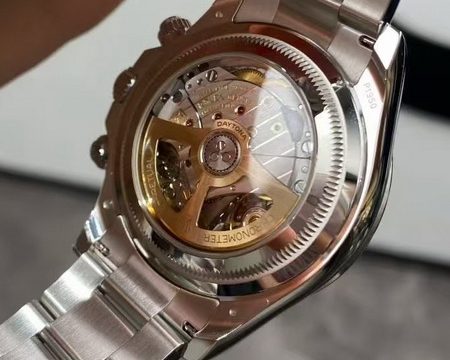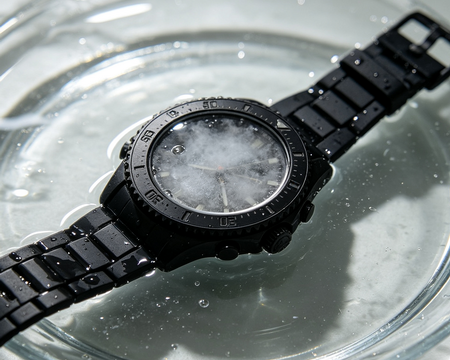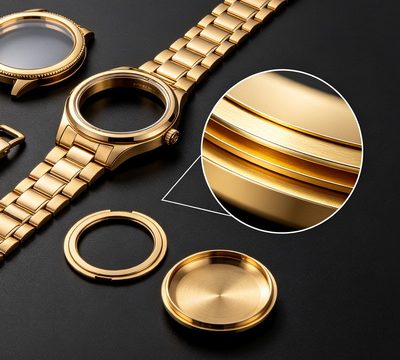
1. Rolex Oyster(1926)
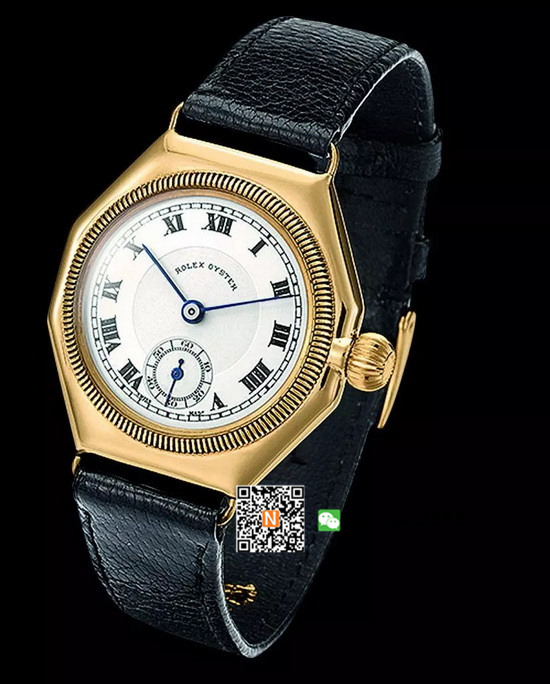
Oyster,Ref。679,(1926)
- Rolex Oyster (1926)
In 1926, watches specially built for divers emerged. They featured protected crowns — the crown was the main point through which water could enter a watch. That was also the year when Hans Wilsdorf, founder of Rolex, introduced the Oyster case. Equipped with a screw‑down crown, a screw‑on case‑back and a tightly sealed crystal, it was the world’s first truly water‑resistant watch case.
2.Panerai Prototype
(1936)
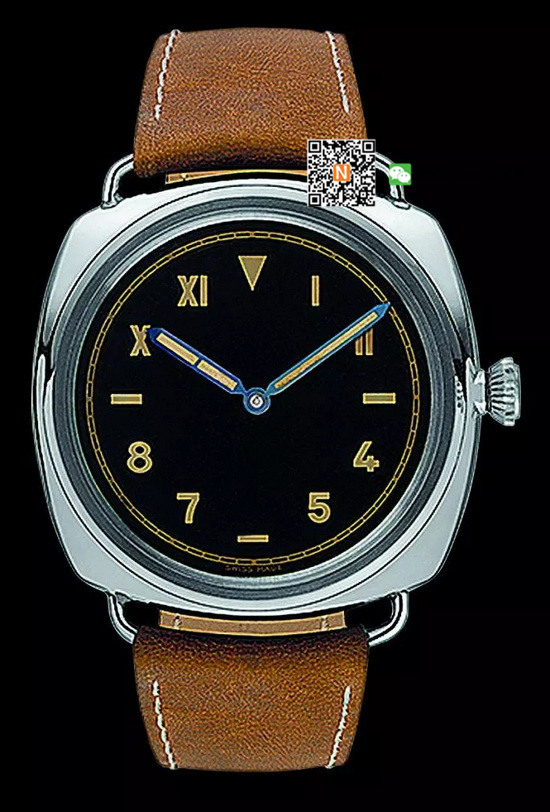
PAMPR004(1936)
3. Blancpain Fifty Fathoms(1953)
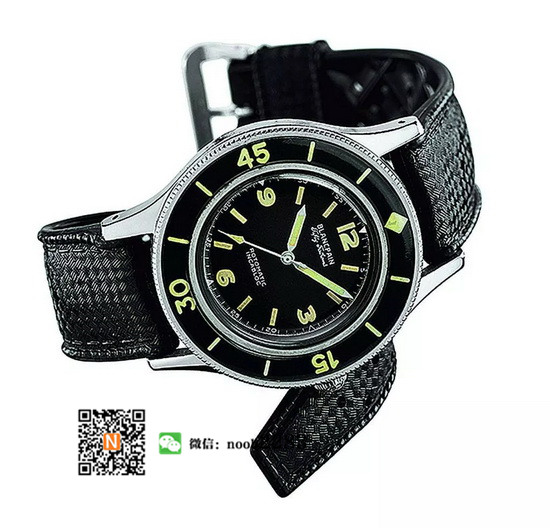
Blancpain Fifty Fathoms,(1953)
4. Crown‑guard for Panerai(1956)
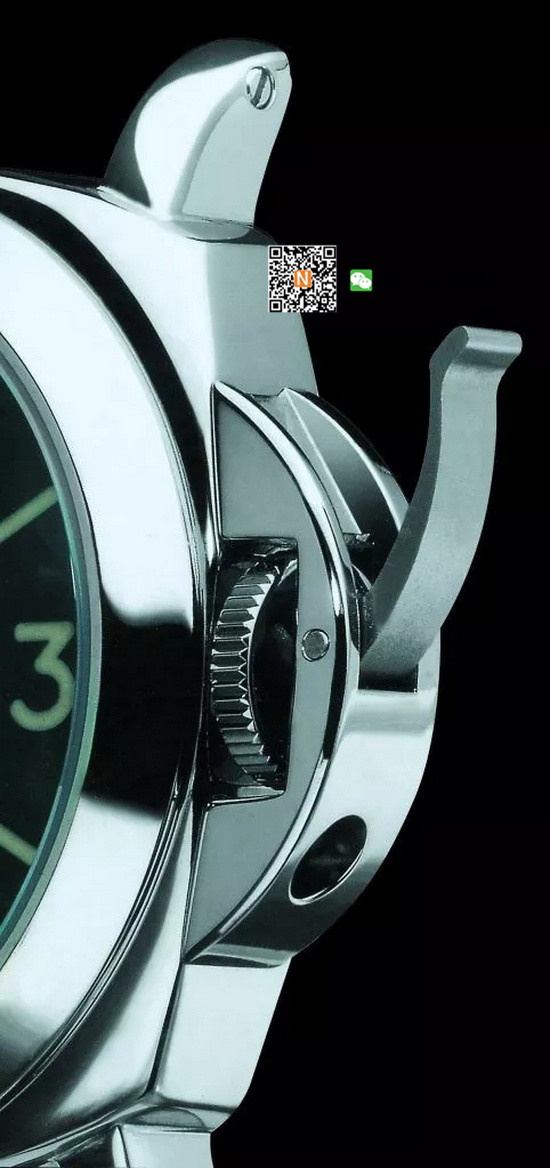
Panerai patented a curved crown‑guard bridge. Now an iconic feature of the brand’s Luminor collection, the bridge incorporates a locking cam lever that presses the crown firmly against the watch case, creating a tight seal with the crown’s gasket.
5.Breitling’s First‑Ever Dive Watch(1957)
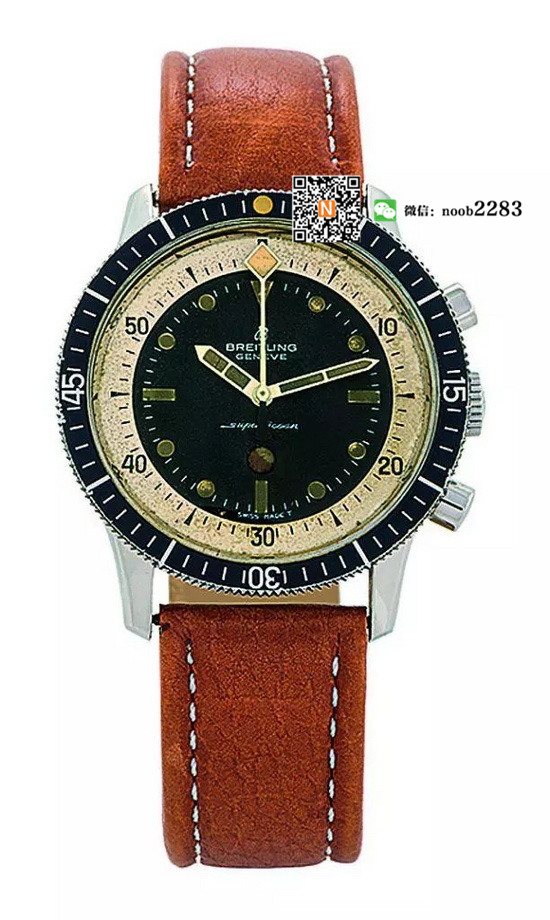
Superocean(1957)
Breitling launched its first‑ever dive watch, the Superocean, with a water‑resistance depth of 200 metres. This was partly thanks to its monoblock (one‑piece) watch case and extra‑rugged crystal.The watch’s bezel could lock into position so that it would not get knocked out of place during a dive. Breitling released its chronograph dive watch in 1959.
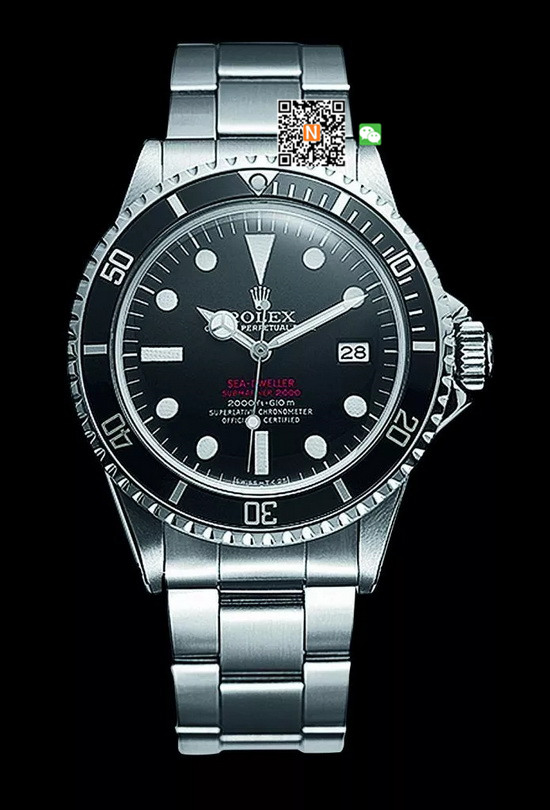
The watch was produced at the request of the French company COMEX (Compagnie Maritime d’Expertise), a specialist in deep‑sea‑diving equipment and services, primarily for offshore oil‑and‑gas operations. It offered a water‑resistance rating of 610 metres.
-
The First Dive Computer (1983)
While the first dive computers emerged in the 1980s, their widespread use took off in the 1990s. Dive watches were largely relegated to the role of backup devices.
-
ISO Introduces Standards for Dive Watches (1996)
The International Organization for Standardization (ISO) published Standard 6425, which laid out the requirements a timepiece must meet to qualify as a “diver’s watch”.
These include water‑resistance specifications (the watch must withstand 25 % greater water pressure than its marked depth rating), underwater legibility, thermal‑shock resistance and the ability to measure usable dive time.
ISO 6425 superseded the earlier 1984 standard and remains in force to this day.
-
CX Swiss Military Watch 20,000 ft (2009)
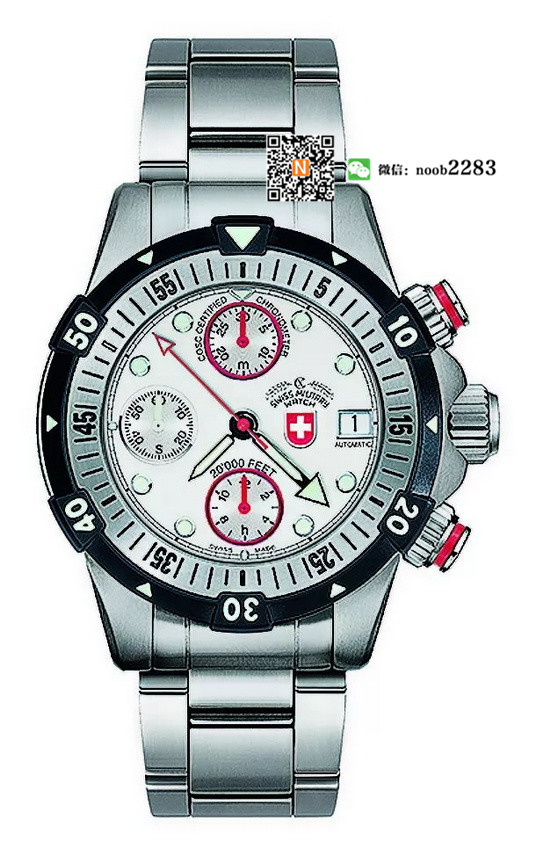
CX Swiss Military Watch 20,000 ft (2009)
CX Swiss Military released its 20,000‑Foot watch, breaking the water‑resistance record previously held by the Rolex Deepsea (20,000 ft equals approximately 6,100 metres), and earned a place in the Guinness World Records.(CX Swiss Military had held the depth record continuously since 2005, until the launch of the Deepsea in 2008.)This chronograph features a 28.5‑mm‑thick case and a domed crystal. According to CX Swiss Military, the watch is actually water‑resistant to 7,500 metres, delivering a 25 % safety margin above the requirements set by ISO 6425.
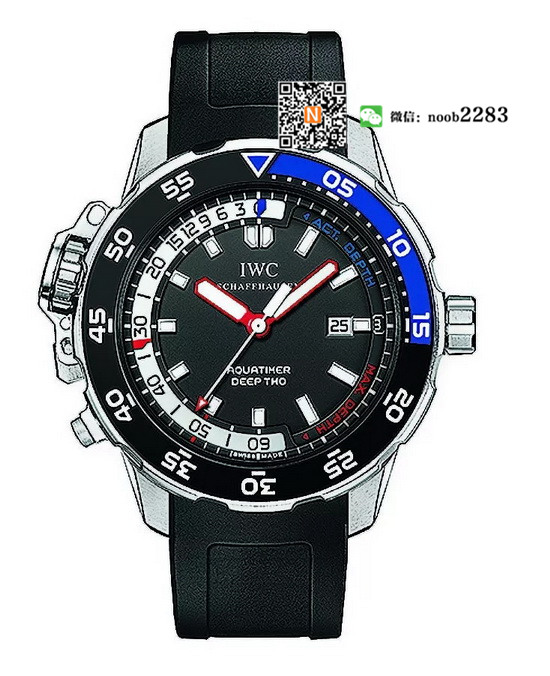
The Aquatimer Automatic 2000, the latest model in the Aquatimer line‑up, boasts a water‑resistance rating of 2000 metres.