There are many ways to display the passage of time, yet most wristwatches indicate hours and minutes using hands on the dial. Clocks from the 15th century featured only one hand to mark the hours, allowing people to tell the time only roughly. The minute hand was later reputedly introduced by British watchmakers. Early pocket watches had no crystal cover. To set the time, wearers had to push the hands with their fingers, so the hands needed to be extremely sturdy. As a result, they appeared bulky, with little consideration given to aesthetics. It was not until the mid‑18th century that watch hands began to become slimmer and more elegant. Today, watch‑makers demonstrate abundant creativity when designing hands, resulting in a wide variety of styles. In this article we will go through these different hand designs one by one. Which style do you find the most pleasing to the eye?
Pencil
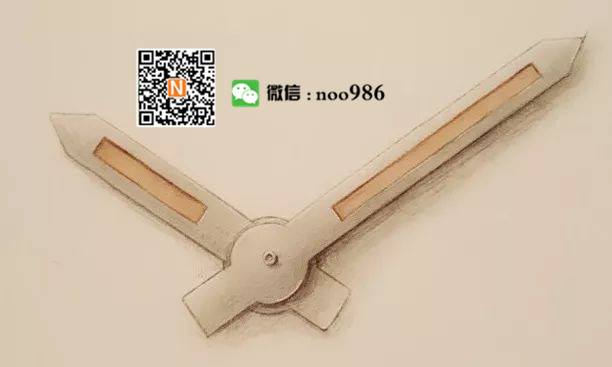
Some brands often confuse baton hands with pencil‑shaped hands. A pencil‑shaped hand is essentially a baton hand with a sharpened tip, named for its resemblance to the point of a pencil. This hand style features a clean‑cut design, offers excellent readability, and provides ample space for luminous coating.
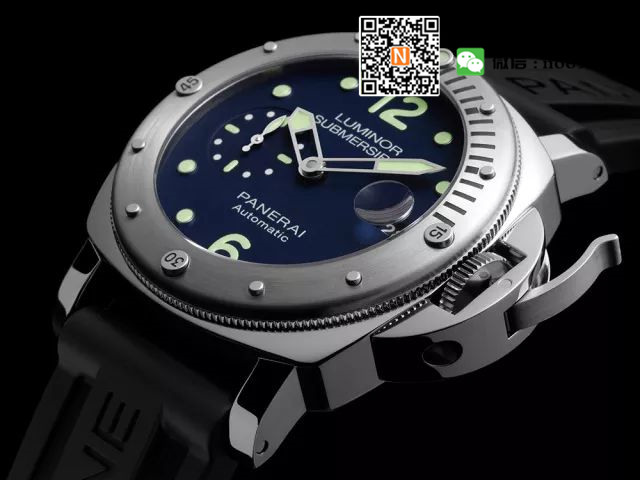
Breitling tends to extend the tail section of its pencil‑shaped hands, while pencil‑shaped hands from certain other brands have no extended tail, as seen on many Panerai models.
Baton
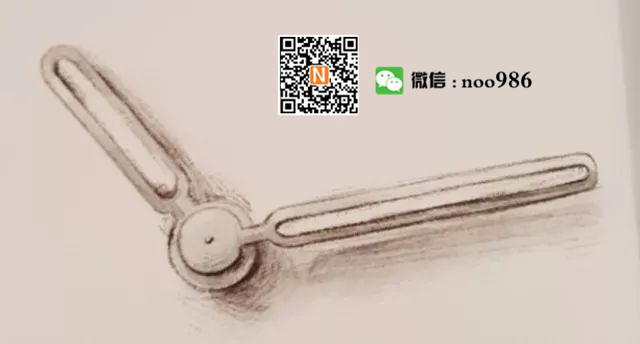
Baton hands get their name from their shape, and they are also known as bar hands. Straightforward and minimalist, this style of hand can be found on watches from most brands.

Baton hands are divided into thick baton hands and thin baton hands. Thick baton hands provide ample space for luminous coating and are commonly‑seen on professional watches such as military‑style and sports timepieces. Examples include the Patek Philippe Nautilus collection and Audemars Piguet Royal Oak Offshore series, which frequently feature thick baton hands. Thin baton hands, on the other hand, are mostly used for watches with clean‑looking dials, such as Piaget’s Altiplano line and NOMOS models.
Feuille/Leaf
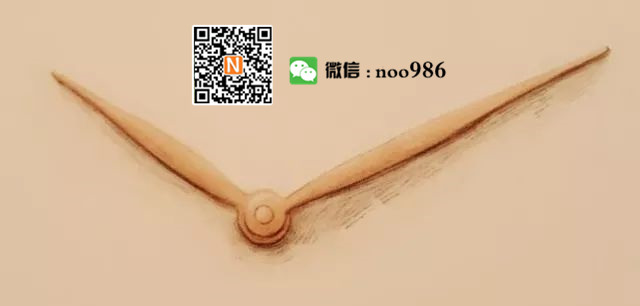
Willow‑shaped hands live up to their name. Wider in the middle and narrow at both ends, they resemble willow‑leaf blades with soft, flowing curves. However, they are challenging to design. They impose high requirements on secondary hands, the dial and hour markers, and every element must be well‑coordinated to achieve an attractive look.
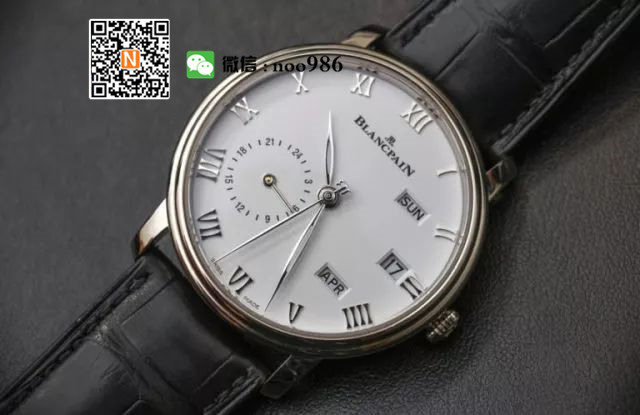
Willow‑shaped hands live up to their name. Wider in the middle and narrow at both ends, they resemble willow‑leaf blades with soft, flowing curves. However, they are challenging to design. They impose high requirements on secondary hands, the dial and hour markers, and every element must be well‑coordinated to achieve an attractive look.
Dauphine
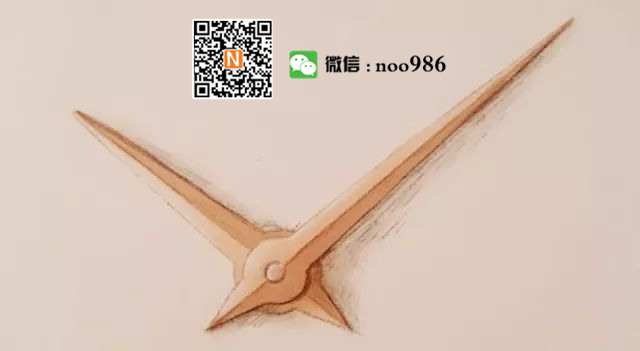
Dauphine hands are one of the most classic and popular‑style watch hands. They feature an asymmetrical diamond‑shaped design; both the tip and the tail of the hand are pointed, while the tip is finer. The name “Dauphine” originates from the French royal family. The heir apparent to the French throne was known as the “Dauphin”, and “Dauphine” referred to the Dauphin’s wife.
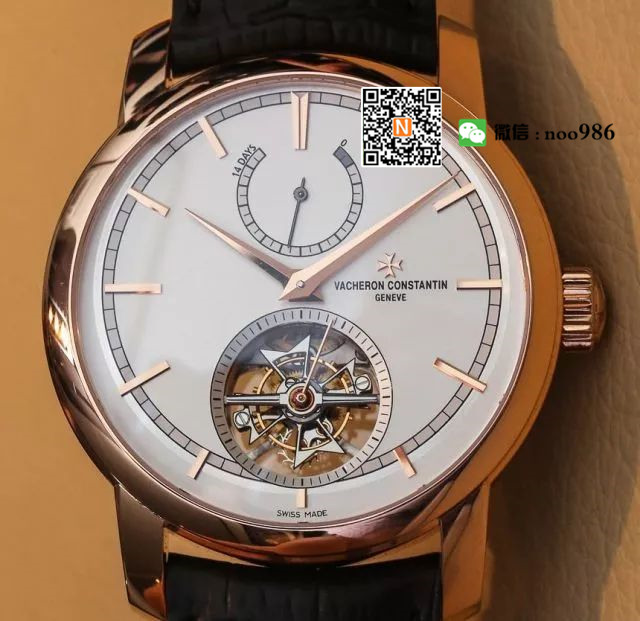
Dauphine‑style hands feature a striking shape and allow the tip to point more precisely toward the hour markers. They can also be filled with luminous material, though their luminous area is smaller compared to baton hands. Dauphine hands are widely used and frequently appear in timepieces from brands including Patek Philippe, Jaeger‑LeCoultre, Vacheron Constantin and Roger Dubuis.
Losange
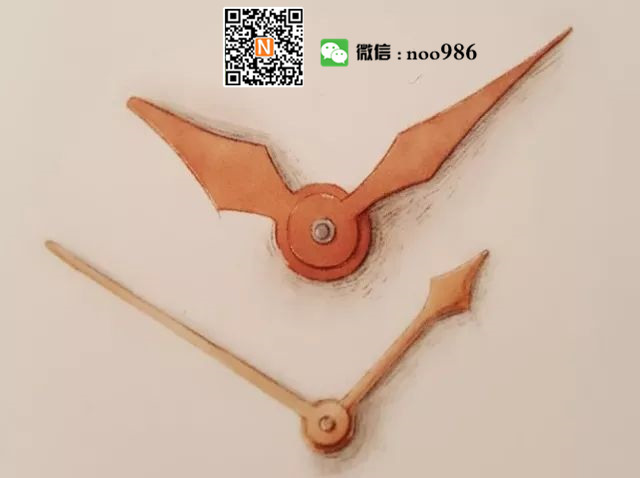
Rhombus‑shaped hands have a symmetrical diamond‑shaped body, falling somewhere between dauphine hands and sword‑shaped hands in style. Patek Philippe’s World Time collection is a well‑known example of watches fitted with rhombus‑shaped hands.

Classic diamond‑shaped hands feature only a diamond‑shaped tip paired with a slender hand shaft. They are also known as diamond hands. The diamond‑shaped tip at the top can either be skeletonized or solid.
Alpha/Lancette
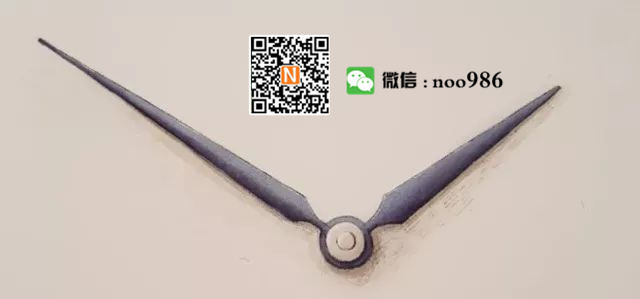
Known in French as lancette, sword‑shaped hands get their literal meaning from “lancet”. While they may appear to be a variation of willow‑leaf hands, they bear a closer resemblance to dauphine hands, with the pivot point moved to the tip of the shorter axis. They carry extra angularity and a sense of strength, yet sword‑shaped hands are not overly harsh‑looking.
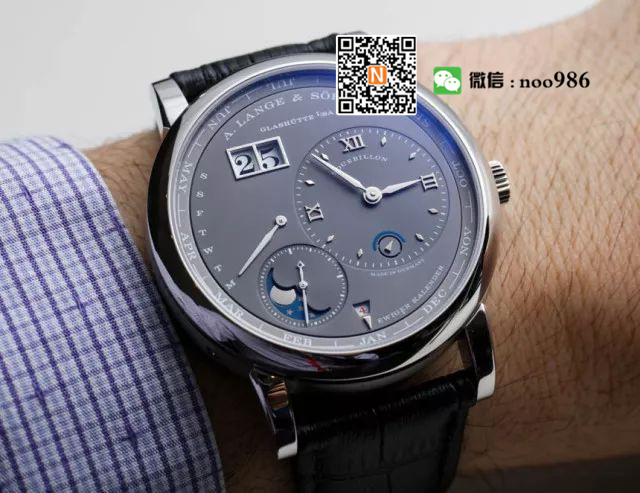
A. Lange & Söhne is a loyal proponent of sword‑shaped hands, equipping its entire watch collection with them. That said, sword‑shaped hands are not exclusive to Lange; many timepieces by Jaquet‑Droz also feature this hand style, while Parmigiani Fleurier frequently produces sword‑shaped hands in skeletonized or luminous‑coated versions.
Cathedral
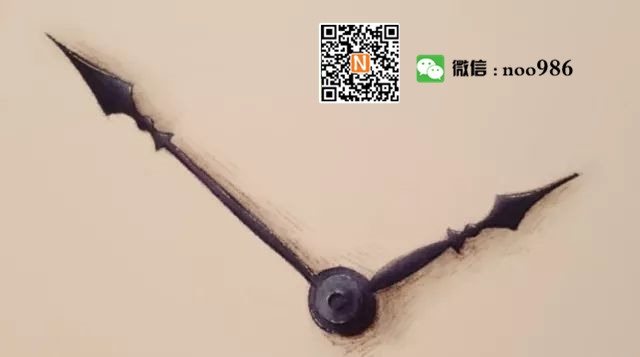
Cathedral‑style hands have a sharp diamond‑shaped tip with a horizontal bar beneath it. Their overall shape resembles the spire of a Gothic church.
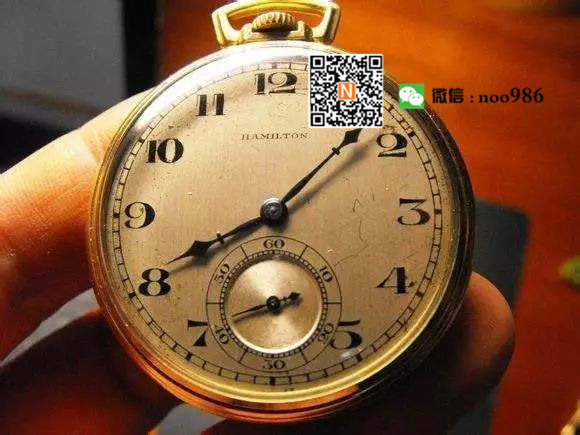
Between the 12th and 15th centuries, Gothic architecture — renowned for its height, verticality and pointed forms — swept across Europe. Drawing inspiration from the spires of Gothic churches, watchmakers created cathedral‑style hands. This design carries a vintage aesthetic with strong humanistic and religious undertones. The horizontal bar on cathedral‑style hands can be placed higher or lower, while the size and internal angle of the diamond‑shaped tip may also be adjusted freely.
Epee/Sword
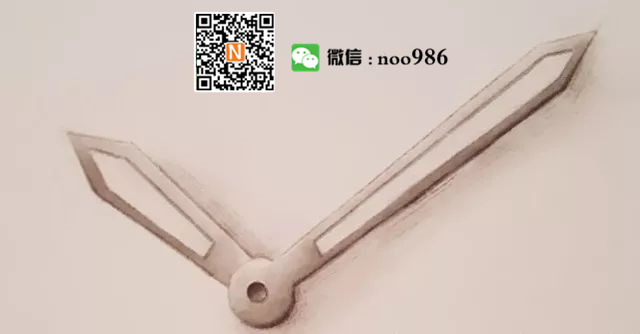
Sword‑shaped hands, as the name suggests, resemble a sword. They feature a long shaft shaped like a sharp blade and carry more vigour than rhombus‑shaped hands. Sword‑shaped hands are often confused with pencil‑shaped hands; the shaft of a pencil‑shaped hand stays uniform‑width, whereas a sword‑shaped hand tapers from narrow to wide. With their broad profile, sword‑shaped hands offer plenty of room for large luminous areas and were once specially adopted for Royal Navy diver‑style watches.
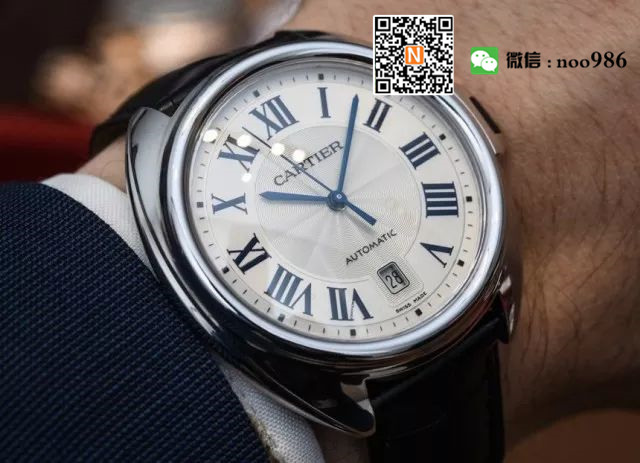
Cartier’s Ballon Bleu and Tank collections are fitted with sword‑shaped hands, while Chopard’s Imperiale line features an unusually broad blade tip on its sword‑shaped hands.
Eventail/Morderne
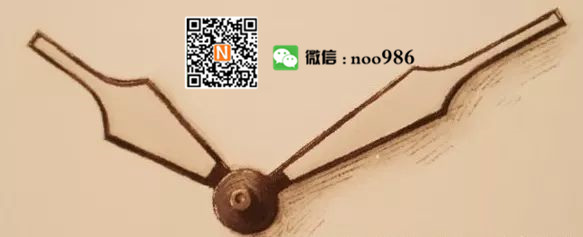
Fan‑shaped hands, also known as “feather hands”, are sometimes referred to as “modern hands” in contrast to the elaborate hand designs found on vintage pocket watches. Yet they carry more classic charm than many commonly‑used contemporary hands. Visually, they are easily mistaken for sword‑shaped hands. Upon close inspection, however, fan‑shaped hands feature a thin baton‑style extension at the tip, which sword‑shaped hands lack.
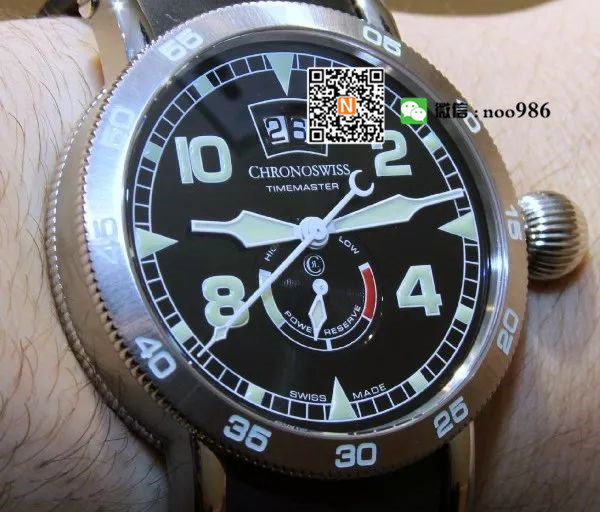
Chronoswiss’s Timemaster collection extensively employs fan‑shaped hands, and Arnold & Son’s Royal series also favours this hand style.
Pear
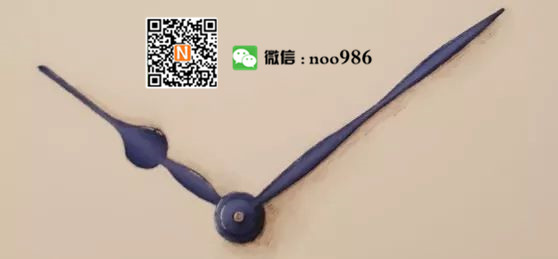
Pear‑shaped hands bear some resemblance to spade‑shaped hands and are mostly crafted in blued‑steel. The tip of the hour hand resembles the top of a heart; some also say it looks like a cobra’s head, hence its popular nickname “cobra‑head hand”. Evoking the floral forehead ornament worn by ancient Chinese noble ladies, it adds subtle charm and depth to the dial, serving as a perfect finishing touch.
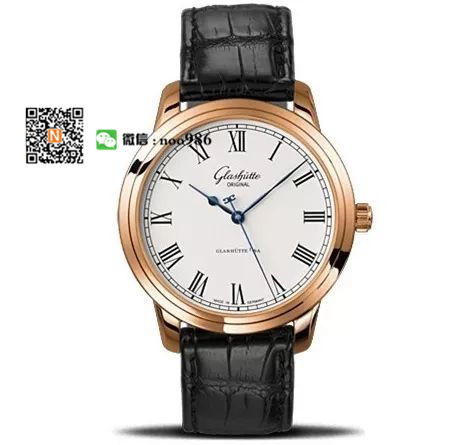
The minute hand features a slight indentation around one‑third of its length, creating a well‑proportioned, graceful waist. Pear‑shaped hands are commonly found on watches from Glashütte Original, Speake‑Marin and other brands.
Arrow/Fleche
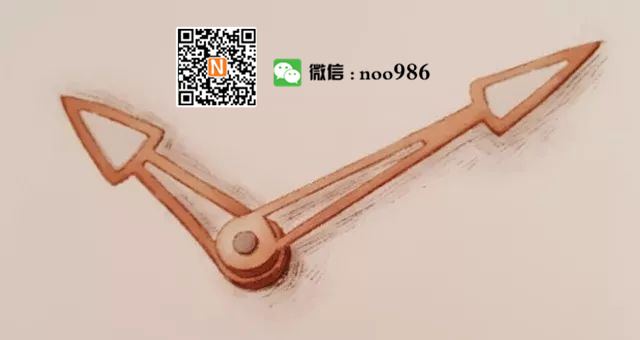
Arrow‑shaped hands have a triangular tip and resemble an arrow as a whole. Luminous material can be applied to the triangular section.
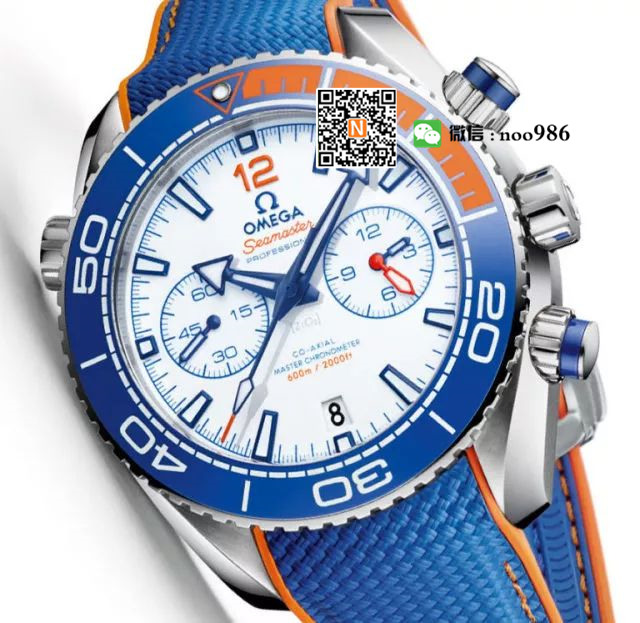
Bold, eye‑catching arrow‑shaped hands are known as broad‑arrow hands, most commonly seen on Omega’s Seamaster collection. Some models use broad‑arrow hands for both the hour and minute hands, while others fit only the minute hand with this style. Greubel Forsey is another brand that favours broad‑arrow hands.
Spade
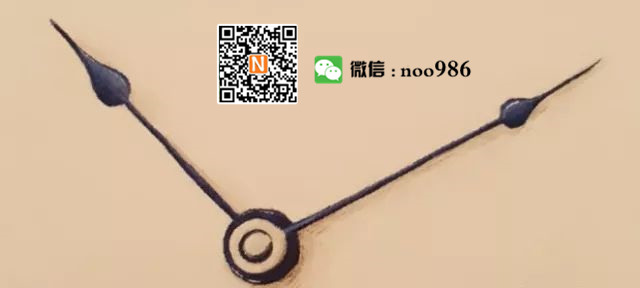
Spade‑shaped hands feature a slender shaft with a tip shaped like the spade suit from playing‑card decks. There are different interpretations of the spade symbol. One view holds that the spade represents a spear, symbolizing soldiers; another interpretation states that it stands for an olive leaf, signifying peace.
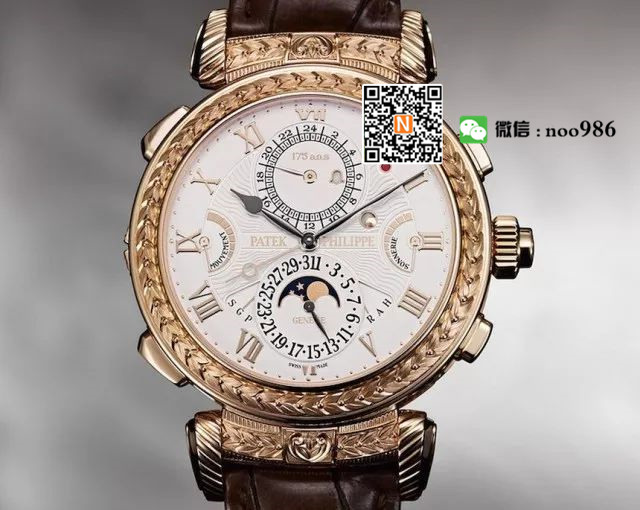
Squelette / Skeleton
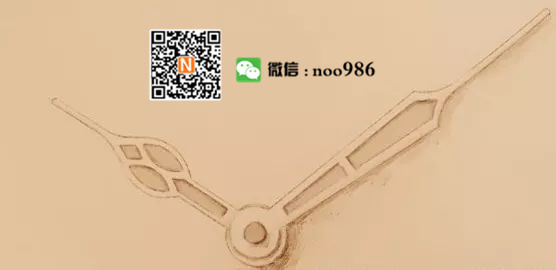
Skeleton‑eye hands, also known as snake‑eye hands, get their name from the hour‑hand tip, which resembles the narrow, piercing eyes and striking tongue of a cobra, while the minute hand looks like a snake’s tail.
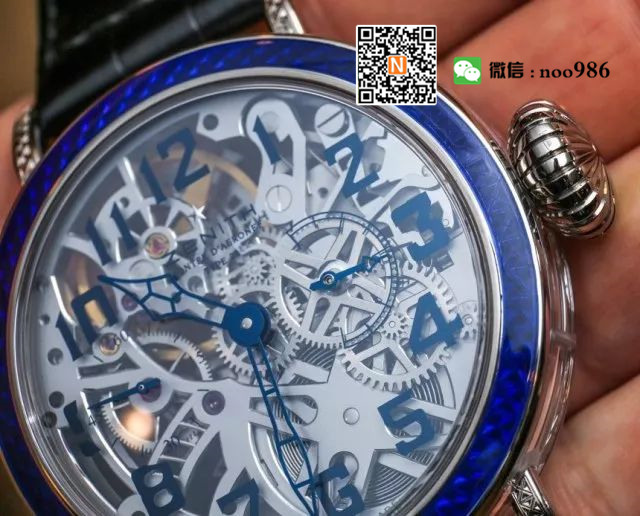
Evolved from pear‑shaped hands, skeleton‑eye hands may feature a hollowed‑out shaft or be coated with luminous material. In the early years, skeleton‑eye hands were widely fitted on sports‑oriented and professional pocket‑watches, and were also among the earliest and most‑common luminous hand styles used on military timepieces. Hour and minute hands are far easier to tell apart than standard baton‑style hands. Zenith’s recently‑released Type 20 re‑edition models within its Pilot collection adopt a modified version of skeleton‑eye hands.
mercedes
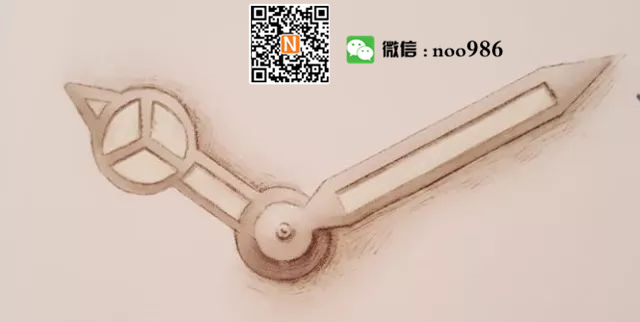
Mercedes‑style hands bear some resemblance to snake‑eye hands. Their tips feature a shape similar to the Mercedes‑Benz logo, yet subtle differences exist: the three‑pointed star on the official Mercedes logo has sharper points than that on the watch hand. Many people assume this hand design is linked to the Mercedes‑Benz brand, but there is actually no connection whatsoever.
When first conceived, the Mercedes‑style hand was designed with a stable supporting structure to solve the problem of luminous coatings cracking easily when covering a large surface area. Watch enthusiasts nicknamed it the “Mercedes‑style hand” due to its visual similarity to the car brand’s emblem. This hand shape is mostly found on dive watches.
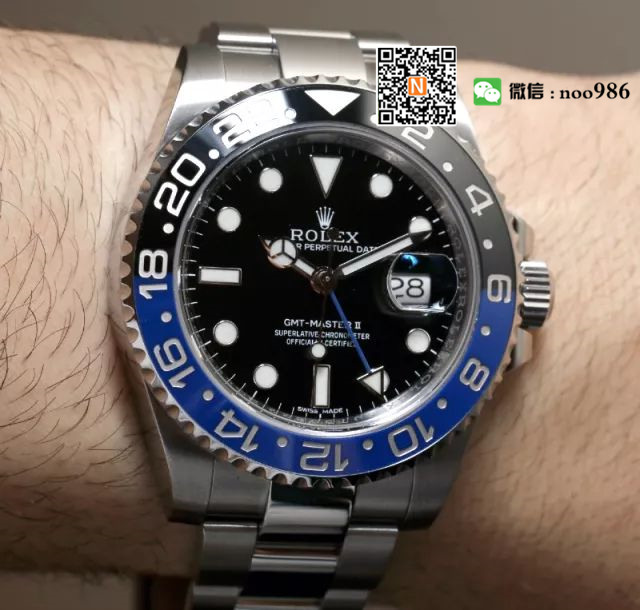
The use of Mercedes‑style hands by Rolex is particularly well‑known. They can be found on the Deepsea‑Explorer, GMT‑Master and Submariner lines, as well as on the ladies’ Yacht‑Master models. The slightly raised tip of the Mercedes‑style hands creates a nice visual contrast against the rounded hour markers, glowing brightly in the dark.
路易十五针 Louis XV
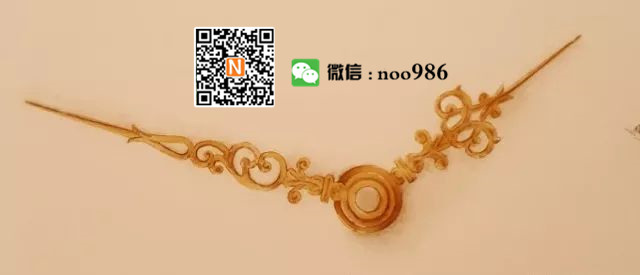
Louis XV‑style hands are highly ornate watch hands decorated with abundant curves and flourishes. Their intricate patterns are highly decorative, making them ideal for vintage‑style timepieces. There are also Louis XVI‑style hands, which are even more lavish and elaborate than Louis XV‑style hands.
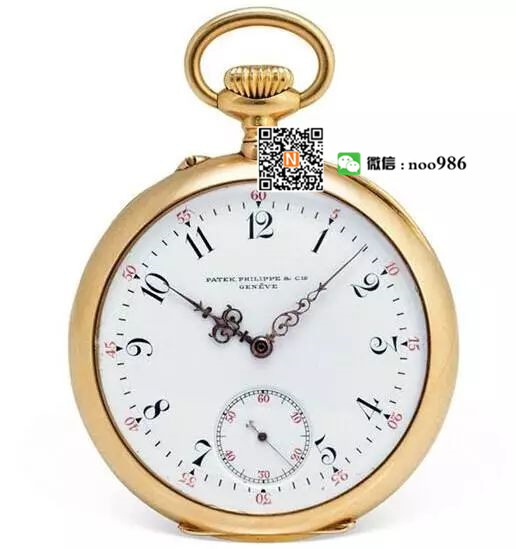
As for why they are named Louis XV‑style hands, it is presumably because this hand shape carries clear Rococo influences. The Rococo style is characterised by swirling, sinuous curves and delicate, intricate carvings, with convex curves as its fundamental form and frequent use of S‑shaped bends. Strongly promoted by King Louis XV of France during his reign, this artistic movement also became known as the Louis XV style.
Moon/Pomme
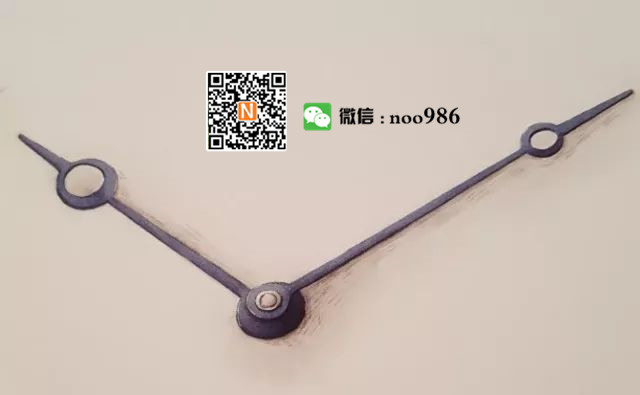
Breguet’s blued‑steel hands were designed by the master watchmaker Abraham‑Louis Breguet in 1783 and rank among the most iconic hand designs. Near the tip, roughly one‑quarter of the way along the hand, sits a hollowed‑out eccentric crescent‑shaped ring, lending the design both strength and elegant charm.
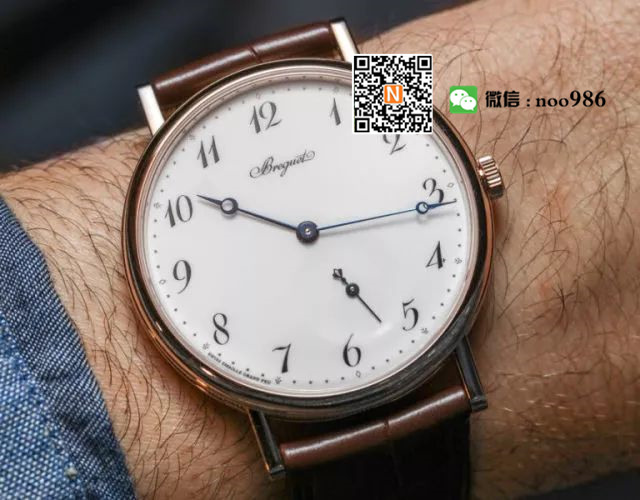
Breguet‑style hands have even become part of Breguet’s brand logo. This distinctive hand shape can instantly endow a modern‑styled watch with an air of elegance. Beyond watches made by Breguet itself, numerous variations of Breguet‑style hands have appeared in timepieces from many other brands. A good example is Cartier’s wide‑ranging collection of artistic watches, while Urban Jürgensen only features a circular cutout near the tip of the hour hand, resembling a magnifying glass.
Snake
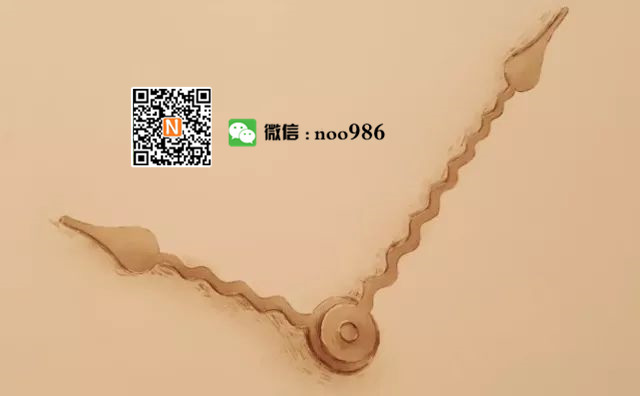
Snake‑shaped hands date back to pocket‑watches of the 19th century. Shaped like a slithering serpent, they bring dynamism to the dial. In addition, snake‑shaped hands can draw attention to subtle details on the watch face that might otherwise go unnoticed.
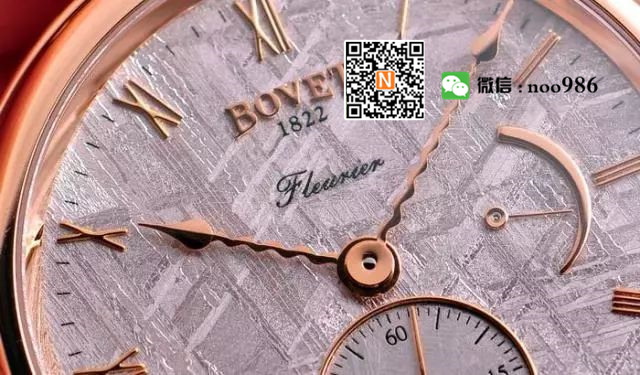
Many brands have used snake‑shaped hands, yet their interpretations vary greatly, with differences in both the winding curves and tip designs. Bovet is arguably the most loyal proponent of snake‑shaped hands. Blancpain also frequently equips its moon‑phase watches with snake‑shaped hands, though these are generally used for calendar indicators rather than the hour and minute hands.

Heart‑shaped hands feature a half‑heart cut‑out at the base of each hand. A complete heart pattern only appears when the two hands overlap.
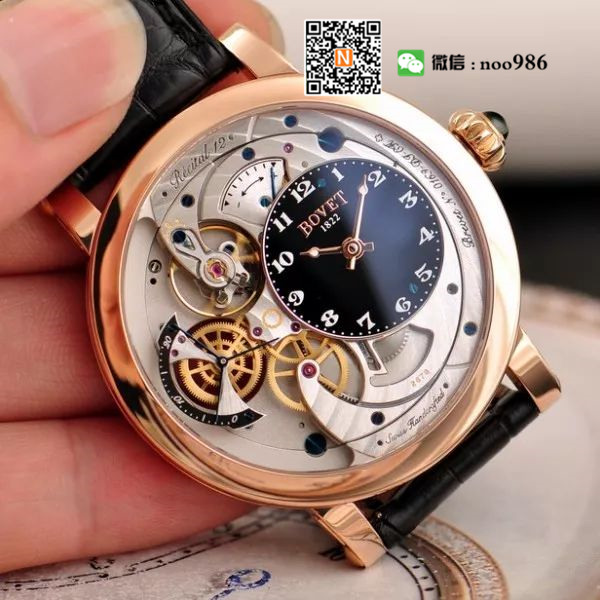
Bovet’s Recital 9 Tourbillon Miss Alexandra features this exact design for its hour and minute hands. This unique romantic touch is sure to capture many women’s hearts.
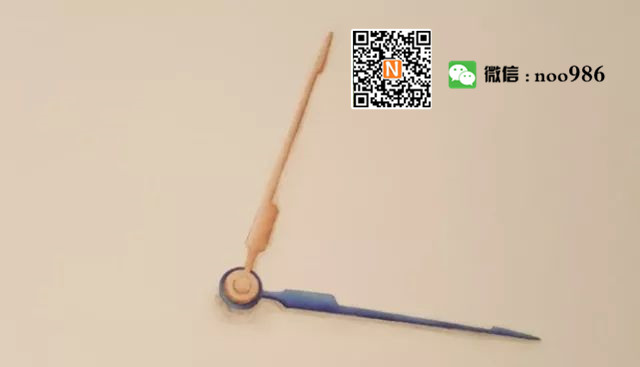
According to Jaquet‑Droz, the two hands on the Grande Heure GMT are shaped like compass needles. The red‑gold hand indicates local time, while the blued‑steel hand shows the destination‑time.
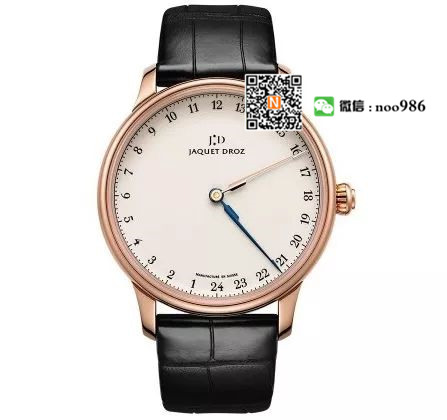
When the two hands coincide over the same time‑zone, they overlap to form a single two‑toned hand.
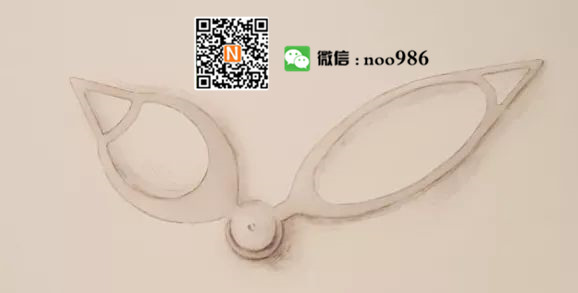
Its shape somewhat resembles an inflated willow‑leaf hand, or plump little angel wings.
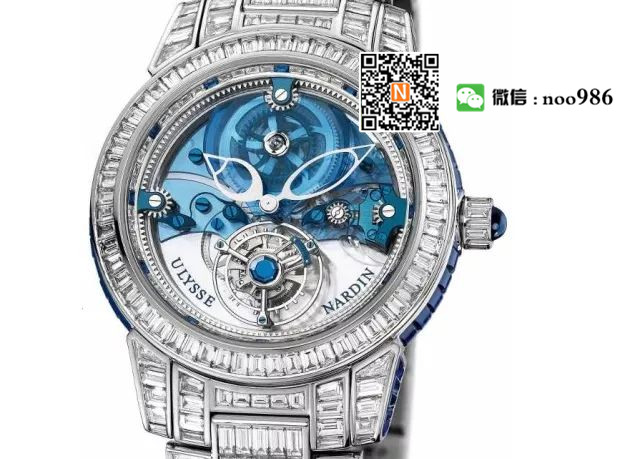
This style of hand is fitted on Ulysse Nardin’s Royal Blue Tourbillon watch.
Hollow‑cut Breguet‑style hands
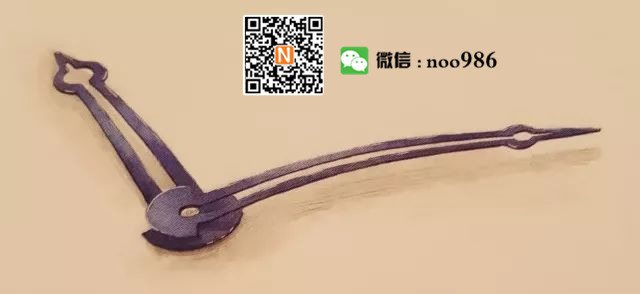
The hour and minute hands on De Bethune’s DB25 LT Tourbillon bear some resemblance to Breguet‑style hands, yet the hands themselves are open‑worked and curved.
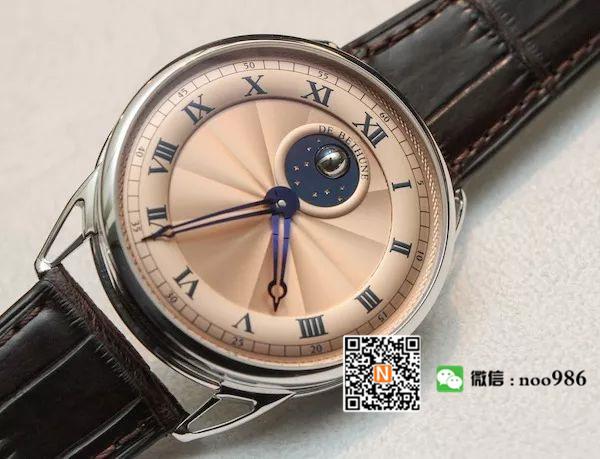
The hands will not obstruct the view as they sweep past the moon‑phase display at the 12‑o’clock position.
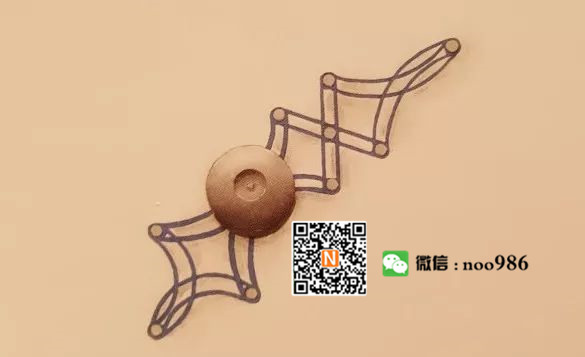
Many years ago, British watchmakers Vardon and Stedman produced pocket‑watches with extendable hands.
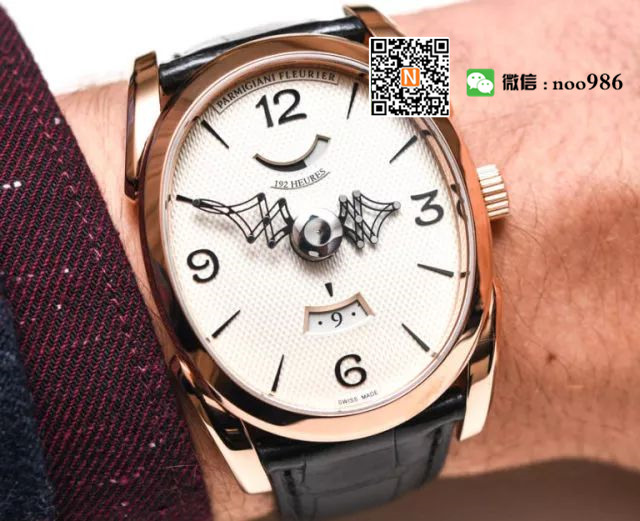
Parmigiani Fleurier drew inspiration while restoring this pocket‑watch, and developed extendable watch hands that change their length to follow the curve of the oval‑shaped case.
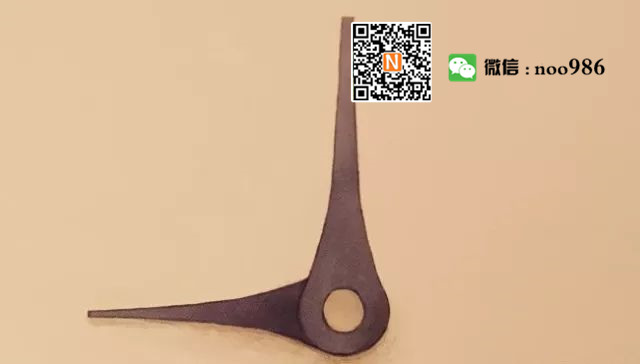
This hand shape is quite unique. It looks just like a single drop of water about to fall, in a state of seeming separation yet still connected. The hand features clean lines, a smooth contour and plenty of character.
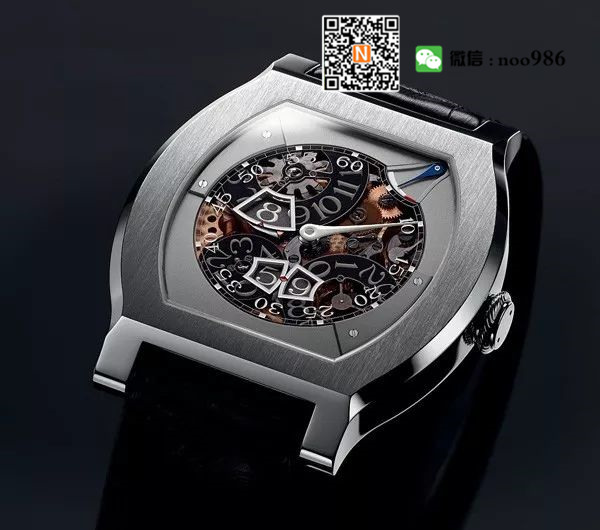
This hand shape can often be seen in timepieces by F. P. Journe.
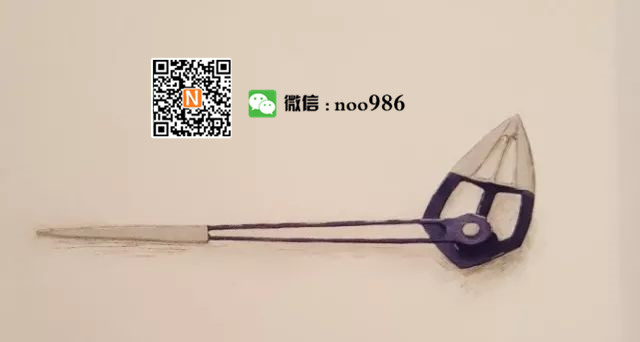
The spaceship‑shaped watch hand features a spaceship‑like motif, granting it high recognizability.
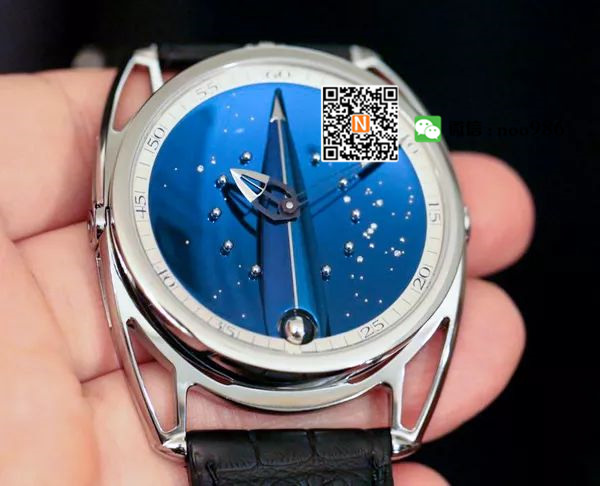
The hour hand on De Bethune’s DB28 Skybridge is shaped like a spaceship. Paired with a dial dotted with brilliant star‑like motifs, it creates the illusion of soaring through the heavens, brimming with a strong futuristic vibe.
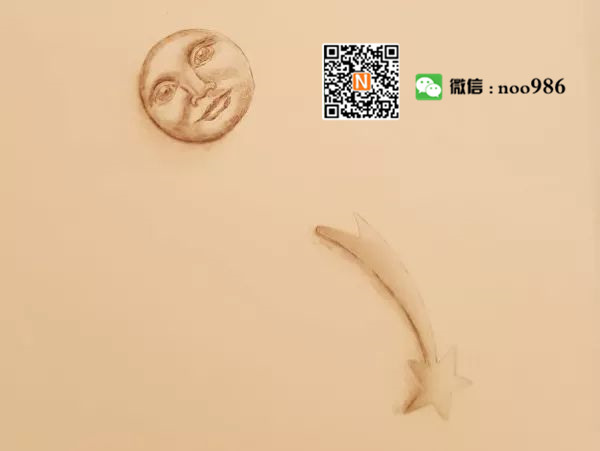
The watch hands are decorated with a moon‑face motif and stars, as if the entire night sky has been compressed and encapsulated inside the timepiece.

The hour and minute hands on the Chanel Mademoiselle Privé Moon and Comet watch are decorated with moon‑face and comet motifs respectively, presenting a highly aesthetic look.
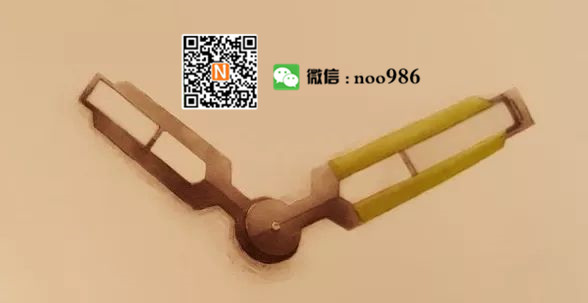
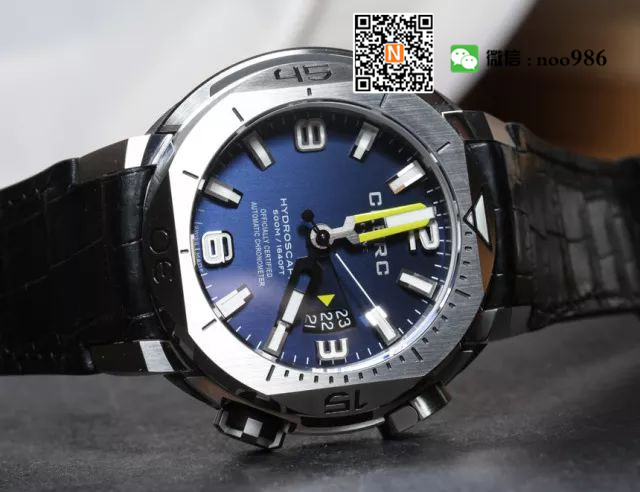
The hands on this Clerc Hydroscaph H1 are paddle‑shaped, with a slender stem extension at the base and a broad upper section, complementing this diver’s watch perfectly.