Which one is worth purchasing, the steel‑cased Daytona or the 18‑karat gold Daytona?

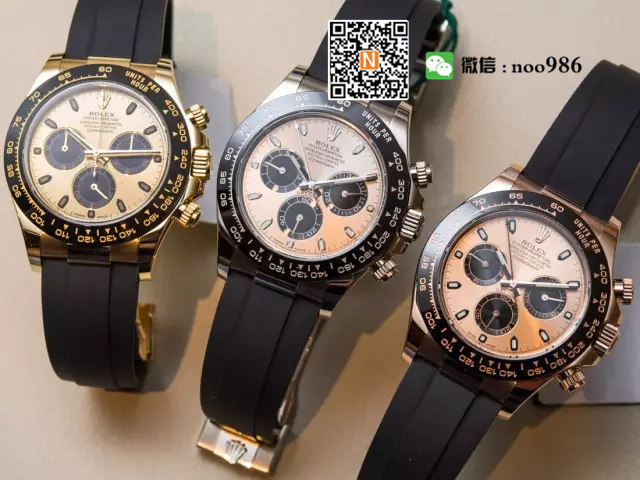
At this year’s Baselworld, Rolex unveiled new‑colourway Oyster Perpetual Cosmograph Daytona watches, offered in 18‑carat yellow‑gold, 18‑carat white‑gold and 18‑carat Everose‑gold variants.
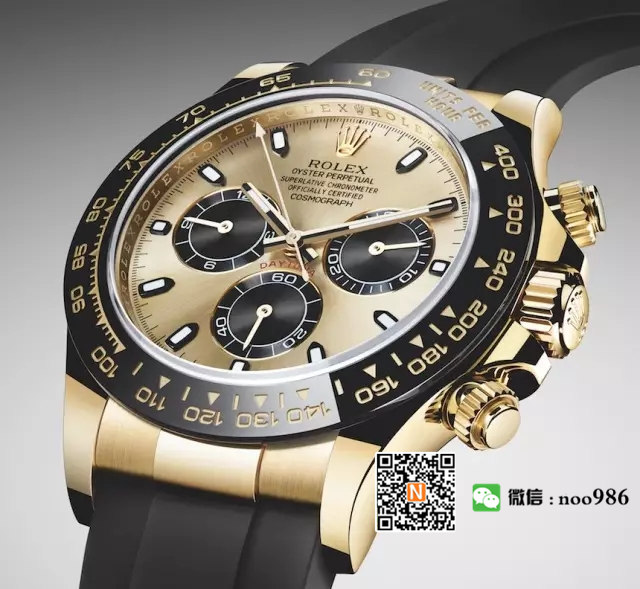
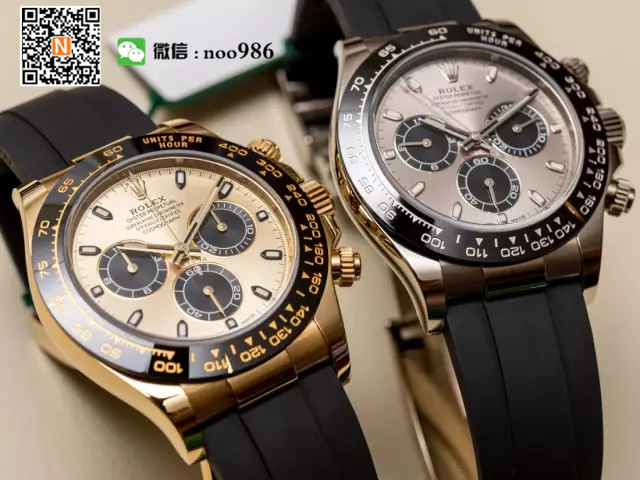
Yellow‑gold Model 116518LN
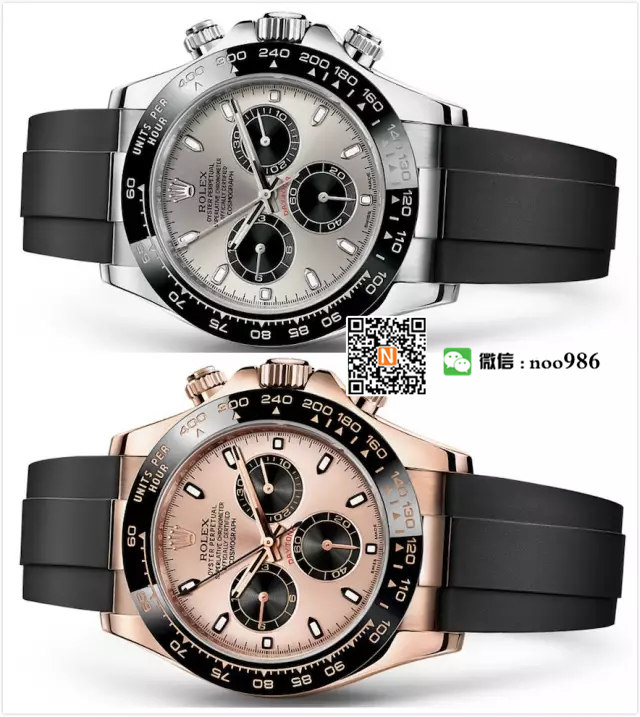
White‑gold version and Everose‑gold version

All three styles are fitted with the innovative Oysterflex high‑performance metal‑core rubber‑coated strap as well as Rolex‑patented black Cerachrom ceramic bezels.
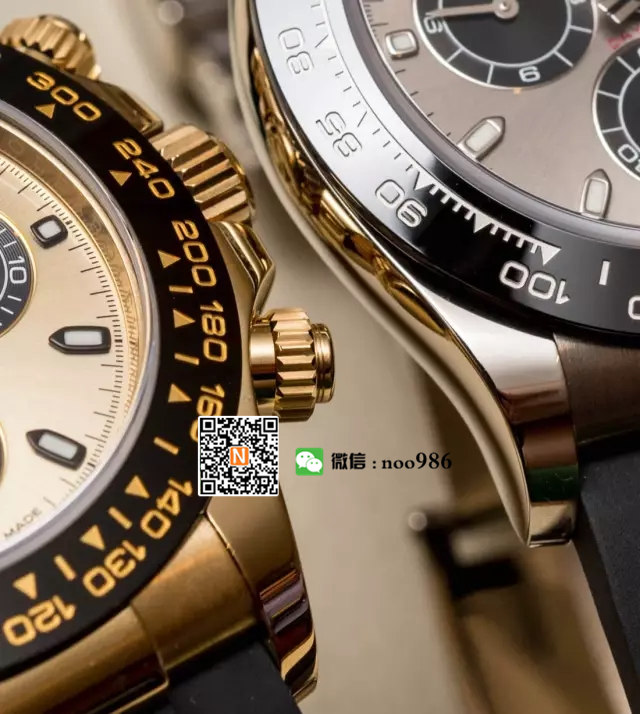
Bezel Details

The high‑tech one‑piece Cerachrom ceramic bezel boasts multiple merits. It is corrosion‑resistant, scratch‑proof and colour‑fast under ultraviolet radiation. Extremely hard‑wearing and easy‑to‑read, the bezel’s numerals and markings are coated with a thin layer of 18‑carat gold or platinum via the PVD plating technique for enhanced tachymeter legibility. The integrated Cerachrom bezel helps fasten the crystal securely to the case, maintains water‑resistance, and pays tribute to the outstanding heritage of this legendary chronograph watch.
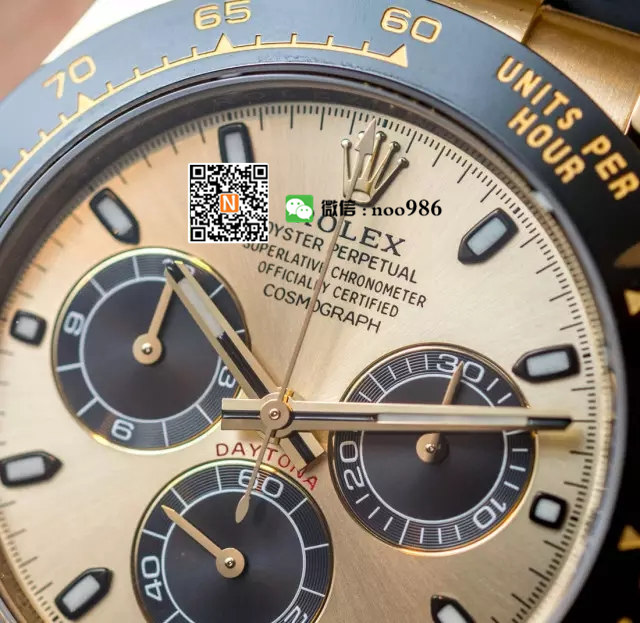
On the sun‑burst dial, the 12‑hour counter at the 9‑o‑clock marker, small‑seconds sub‑dial at 6‑o‑clock and 30‑minute chronograph counter at 3‑o‑clock set one another off, embodying the dial’s symmetrical charm. The central gold‑toned chronograph hands feature distinctive styling and, together with the three sub‑dials, interpret the sophisticated character of the timepiece.
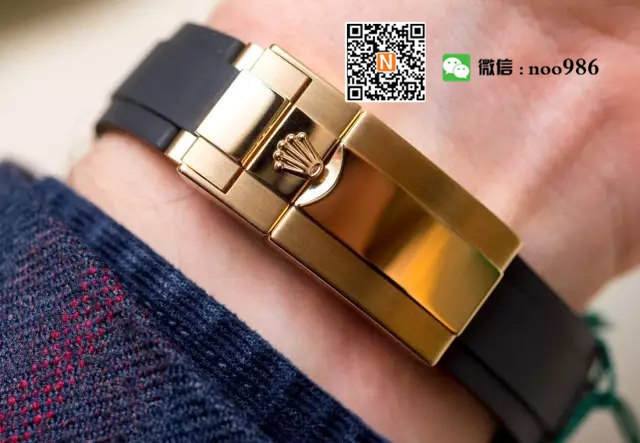
Strap Details

The new‑generation Oyster Perpetual Cosmograph Daytona is fitted with the Rolex‑developed, patented Oysterflex strap. This innovative design combines the sturdiness of metal bracelets alongside the flexibility, comfort and visual appeal of rubber straps. The strap features an ingenious construction: an ultra‑elastic metal blade serves as the inner core, encased by moulded high‑performance black rubber on the exterior. It stays resilient against diverse environmental conditions and delivers long‑lasting durability. An 18‑carat gold safety clasp prevents unintended opening. The clasp also incorporates Rolex’s patented Easylink extension link. This thoughtfully‑engineered extender permits wearers to lengthen the strap by roughly 5 mm for cosy‑fitted wear under all circumstances.
Upon the release of the new model, Rolex enthusiasts split into two camps debating whether the newcomer outperforms last‑year’s steel Daytona Ref. 116500LN. Supporters of the updated gold‑cased Daytona argue that the inflated market price of the steel variant is unjustified. Spending an extra 10,000‑20,000 on the gold Daytona with rubber‑metal hybrid strap delivers far greater prestige. The strap feels exceptionally comfortable, with its inner flexible metal core cutting down skin‑contact surface area. It remains wearable even when the wearer sweats and stands up to long‑term use. Advocates for the steel‑model counter that the Ref. 116500LN marks the first stainless‑steel Daytona equipped with a ceramic bezel, boasting understated and timeless styling. A separate Rubber‑B strap can be fitted whenever a rubber band is desired, offering comparable comfort with barely‑noticeable visual differences.

The bracelet of Ref.116500LN consists of solid‑made 904L‑steel links. The outer links receive a satin‑brushed finish while the centre links are polished. Its Oyster folding clasp comes with an Easylink extension link that enables convenient length adjustment by around 5 mm.
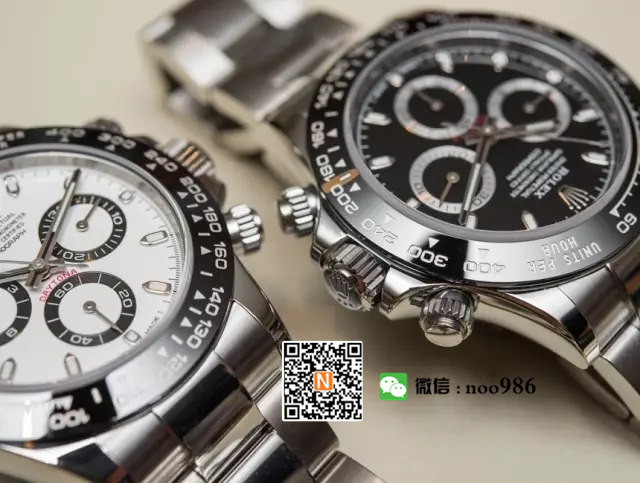
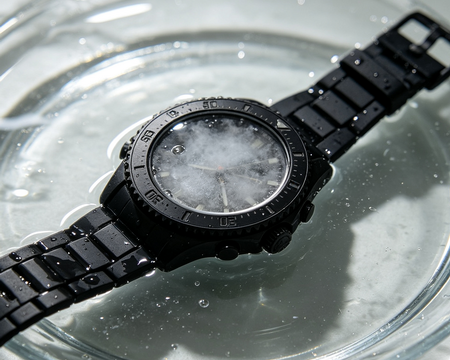
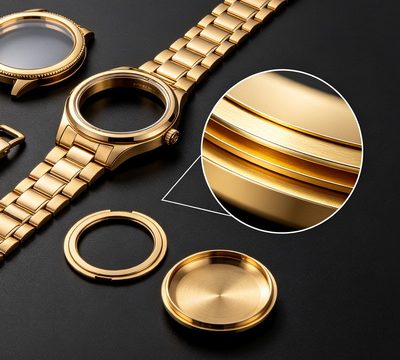
Both the steel‑cased and gold‑cased Daytona feature a 40‑millimetre case diameter, screw‑down chronograph pushers and the well‑known Triplock crown, and carry 100‑metre water‑resistance. Nevertheless, the steel Daytona adopts an integrally‑cast one‑piece 904L‑stainless‑steel case.
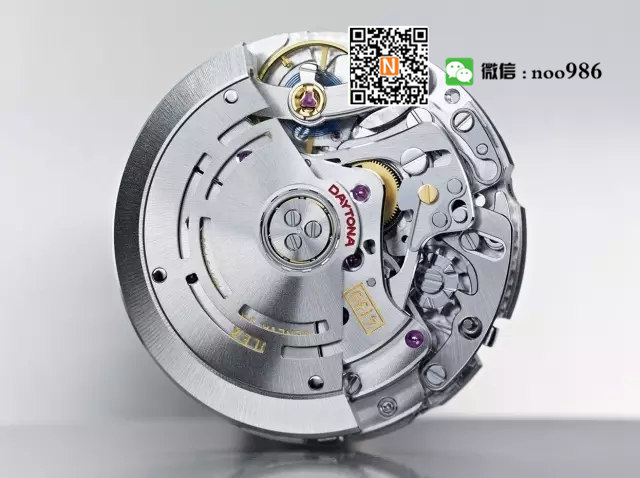
4130

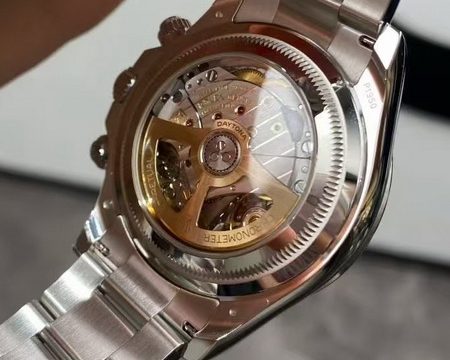
In terms of movements, both new and old‑generation Daytona watches are powered by Rolex’s in‑house‑made automatic chronograph Cal.4130. Equipped with a column‑wheel mechanism and vertical clutch, the movement incorporates a blue Parachrom hairspring and delivers a 72‑hour power reserve. Rolex implements its proprietary superior‑grade chronometer certification with stricter standards than the COSC. Consequently, the Daytona achieves a daily rate accuracy of ‑2 to +2 seconds and comes with a five‑year warranty.
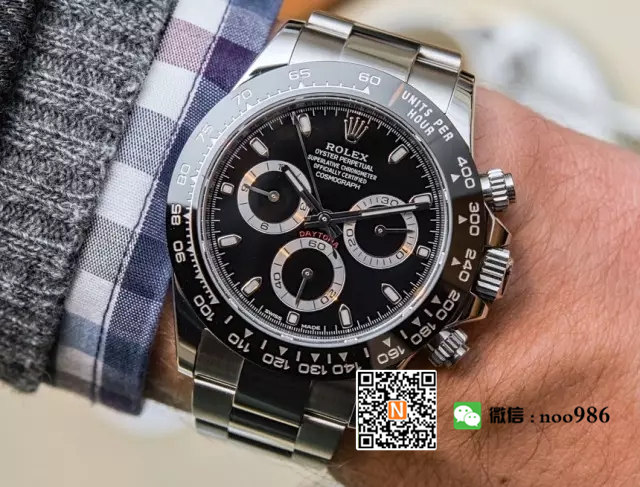
So which one would you pick, the new gold‑cased Daytona or the older steel version? In truth, getting hold of either model is an extremely tough task. Purchases within China depend on local watch retailers across different cities. In Beijing, shoppers are required to buy an additional regular classic‑style watch as a prerequisite. Stores in cities such as Guangzhou and Shanghai accept deposits and add customers to waiting lists that entail lengthy waiting periods. For overseas purchases, Rolex watches are comparatively affordable in Europe and other regions. For instance, the stainless‑steel Daytona costs around 70,000‑80,000‑renminbi in Australia, against the domestic official price of 95,000‑yuan. Nevertheless, driven by local European demand plus heavy purchases from Chinese buyers and resellers, watch stock at European boutiques runs even tighter than at home. Without insider connections, buyers commonly face waiting times of three years or longer.

Here are several lesser‑known facts to share. Every Daytona belongs to the Cosmograph lineup, yet not all Rolex Cosmograph watches are Daytonas. The Cosmograph designation first appeared on the Rolex 6062 Oyster moon‑phase watch back in the 1950s. Admittedly, the name Cosmograph carries greater depth as a model title. The label then vanished for a period before making its comeback alongside the Ref.6239 in 1963. The Daytona nearly received a different name. Rolex is now recognised as a focused and resolute watch‑making brand, yet the brand hesitated over numerous model names throughout the 1950s and 1960s. The Submariner almost bore the title “Skin Diver”. Many timepieces were named after their distinctive dials. Some early T‑O‑G pieces were marked “Monometer”, and the Daytona was originally planned to be christened Le Mans. It began as a commercial flop. Hand‑wound Daytonas are highly‑prized collectibles today, partly due to their limited production runs. The Daytona was initially an unsuccessful product. Towards the late 1970s, one customer once enquired about a price reduction when shopping for Rolex watches. The sales assistant replied, “Sorry sir, Rolex does not offer discounts. However, a 20‑percent‑off deal is available should you wish to purchase a Daytona.”

Related Posts

Leave a Reply

Your email address will not be published. Required fields are marked *