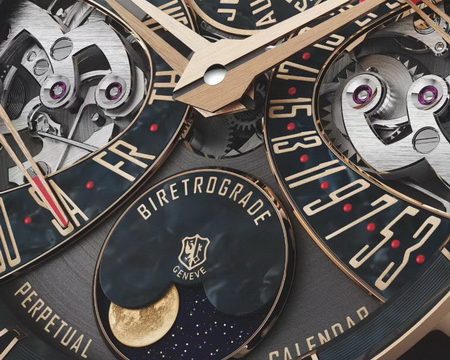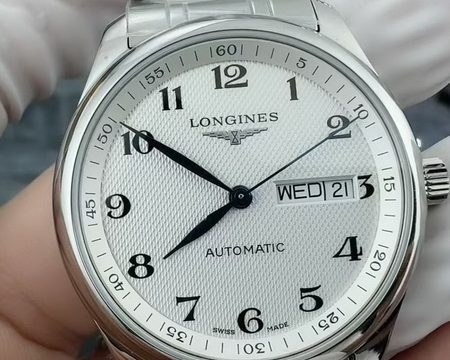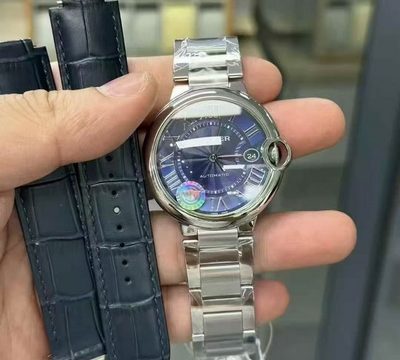
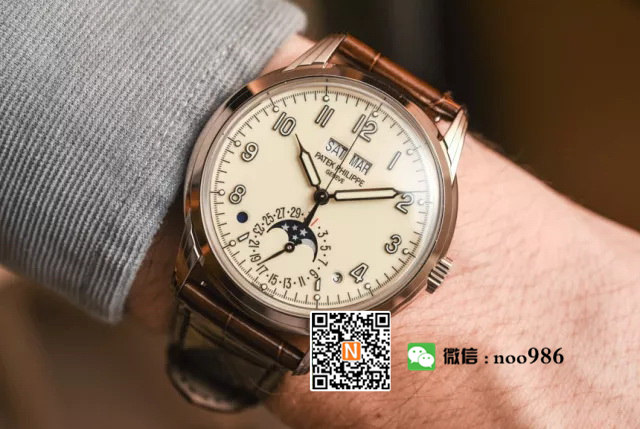
The Patek Philippe 5320G Perpetual Calendar boasts stunning aesthetics. However, perpetual‑calendar watches from every brand share one common limitation: their date accuracy only extends until the year 2100. This is because all perpetual‑calendar movements are programmed to apply a leap‑year cycle of one leap year every four years, yet they cannot handle the far‑more complex rule that “years divisible by 100 are not leap years, unless they are also divisible by 400”. Even so, many people would argue that automatically distinguishing long and short months as well as leap years, and requiring no date‑and‑month adjustment for hundreds of years, already delivers remarkable practicality.
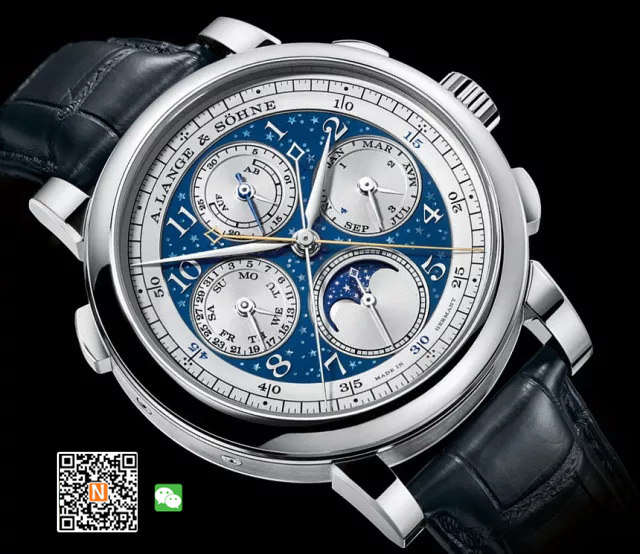
2. Perpetual‑calendar adjustment can be quite troublesome. Most perpetual‑calendar movements only permit forward adjustment, not backward correction (very few brands offer bidirectional quick‑set perpetual calendars, such as select Ulysse Nardin models 322‑10, 329‑10 and the Cartier W1556242). If you overshoot the date by two or three days, the issue is minor — you can simply leave the watch stopped until the correct date arrives and wear it again. However, if you overshoot by months or even years, you will either have to let it idle for that length of time or send it to a professional watchmaker for correction. Even sales staff at ordinary watch stores dare not adjust perpetual‑calendar watches casually, which creates extra concerns for the owner. Always follow the instruction manual carefully when making adjustments according to real‑world conditions, and never let inexperienced friends handle your watch.
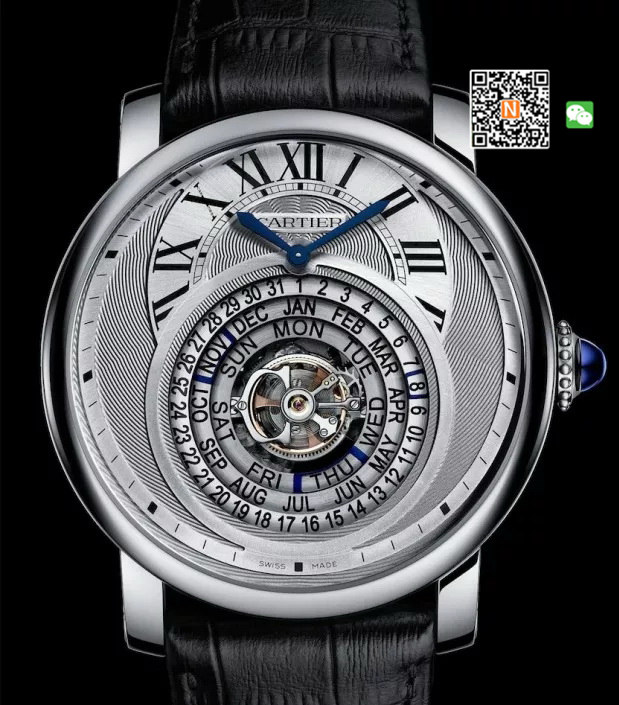
The Rotonde de Cartier Perpetual Calendar, reference W1556242, supports bidirectional quick‑setting. 3. The overall design of a perpetual‑calendar watch imposes limitations on its water‑resistance, dust‑proofing and shock‑resistance. Perpetual‑calendar timepieces are more delicate than ordinary watches, restricting the environments in which they can be worn. Their fragile components are prone to damage, and repair costs can be substantial once something goes wrong. To sum up, I believe the perpetual calendar demonstrates a brand‑level watchmaking skill, yet it is not the most user‑friendly feature in daily use. With so many different watch complications available, how many of them are genuinely practical? Take the Vacheron‑Constantin Les Cabinotiers Celestia Astronomical Grand Complication 3600 (a name complex enough in its own right) as an example. This double‑sided dial watch boasts 23 complications, including three distinct time‑reading modes: mean solar time, apparent solar time and sidereal time. It can indicate the relative positions of the Earth, Moon and Sun, tides, sunrise‑sunset times, as well as the solstices and equinoxes — an extraordinarily impressive achievement.
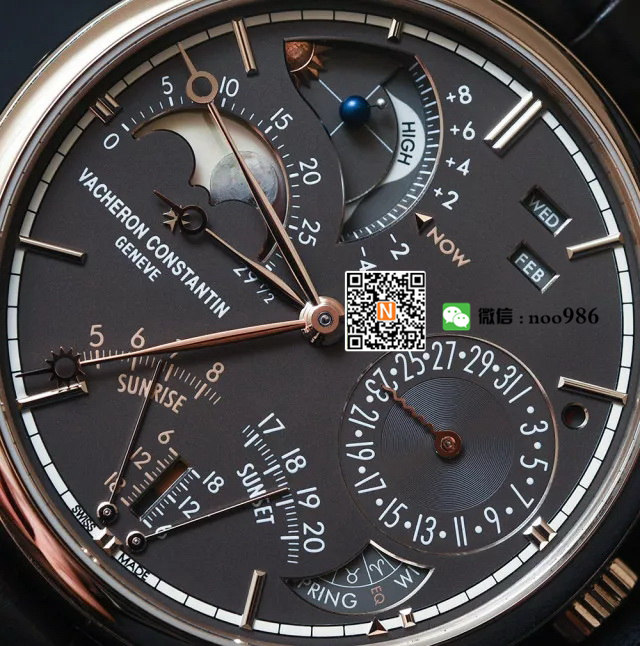
Only one example of the Vacheron Constantin 3600 was produced. After the 3600 was unveiled at the Geneva watch fair earlier this year, I was thoroughly impressed. Vacheron‑Constantin reached yet another milestone in its mastery of watch complications. Priced starting at one million US dollars, it is well beyond my budget. With a limited‑edition run of a single piece, even those who can afford it may fail to secure one. Moreover, many of its sophisticated functions are difficult to comprehend. Hence, you might still decide against purchasing it even if you had the chance, given its lack of practicality. There are plenty of other options if you merely wish to own an eye‑catching timepiece. Turning back to practicality, here are what I consider the most useful watch functions. Basic function: Hours, minutes and seconds display Central‑three‑hand layouts are the most common way to meet fundamental time‑reading needs, so let us look at some alternatives. Wearers who do not require extremely precise timekeeping and care little about minor details could opt for a watch without a seconds hand. This distinctive design lets you break away from conventional styles.
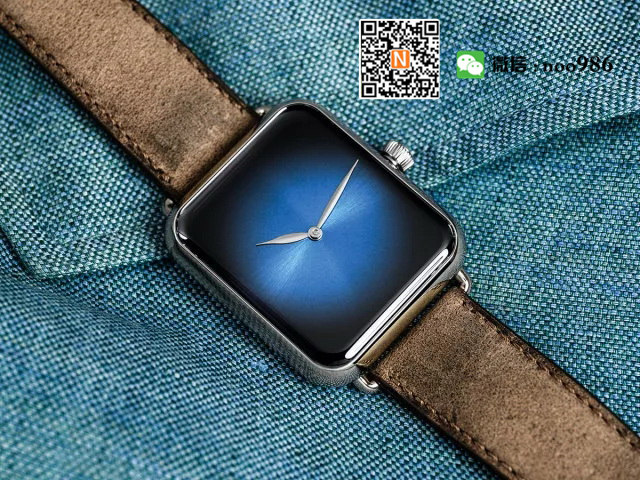
The H. Moser & Cie Swiss Alp Watch Brrrr, styled like an idle Apple Watch, delivers a 96‑hour power reserve. Two‑hand watches feature a clean, streamlined aesthetic. Removing the seconds hand also reduces power consumption, allowing for an extended power‑reserve duration. In addition, the movement of a two‑hand watch is slimmer, which in turn makes the whole watch thinner. Naturally, the downside of a two‑hand watch is the absence of a seconds display. Men who require highly precise timekeeping may find this unsatisfactory, in which case a small‑seconds watch would be the better choice.
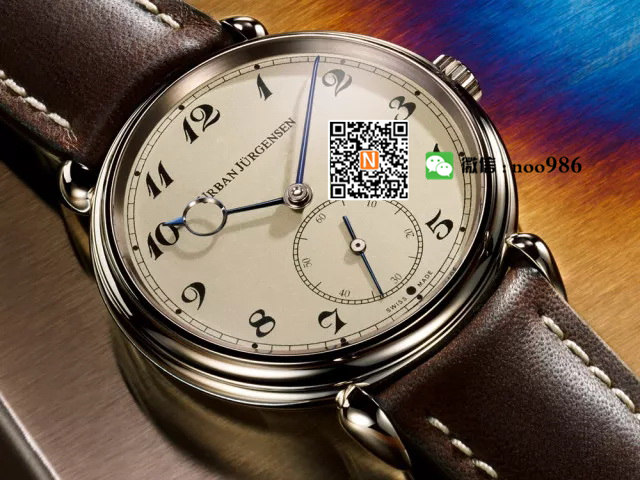
Urban Jürgensen & Sønner Alfred Watch The small‑seconds layout carries a strong vintage charm and instrument‑style aesthetic. On a small‑seconds watch, the hour and minute hands pivot from the same central point, while the seconds hand sits on a separate sub‑dial to display elapsed seconds independently. It shares similar benefits with two‑hand watches. The small‑seconds design substantially cuts down the power consumed by the running seconds hand. Since the seconds hand is not mounted coaxially with the hour and minute hands, the movement thickness can also be reduced. Upgraded functions: Date and day display. Everyone talks about the Submariner and Daytona, yet the Day‑Date and Datejust are Rolex’s best‑selling models across its entire product range.
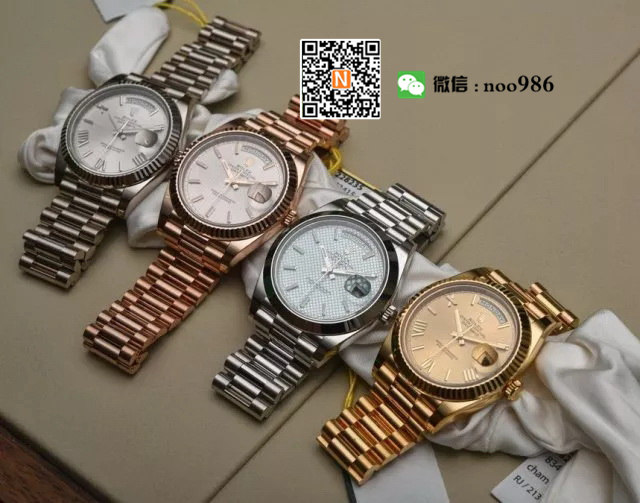
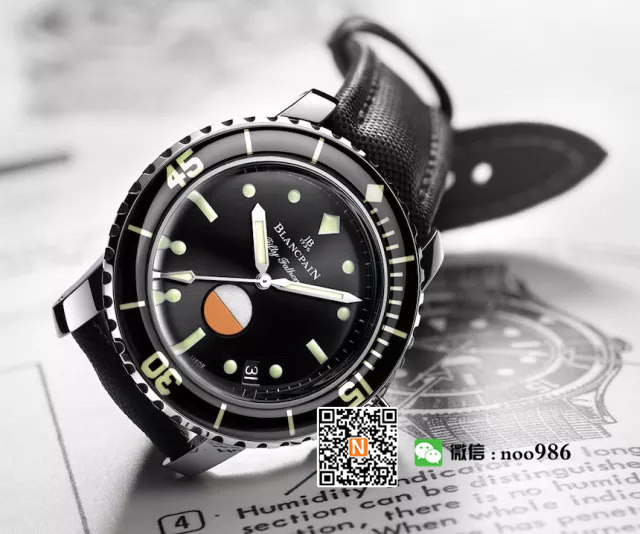
The Blancpain Fifty‑Fathoms MIL‑SPEC Re‑Edition Blancpain launched the Fifty‑Fathoms MIL‑SPEC re‑edition this year, equipped with a humidity‑indicator device. If moisture seeps inside the watch, the small disc at the 6‑o’clock position on the dial will turn from white to red as a warning signal. Deep‑sea dive watches are generally fitted with a helium‑escape valve. If you frequently travel across time zones for business trips, a dual‑time‑zone watch will prove extremely practical. Dual‑time‑zone watches adopt several display layouts. Some use a central 24‑hour or 12‑hour hand: an extra central hour‑hand shows home‑time, while the regular hour‑hand indicates local destination‑time. The Rolex GMT‑Master II is an iconic central‑24‑hour watch, paired with a rotatable 24‑hour bezel. Bezels with distinct colour schemes have earned popular nicknames such as Pepsi‑Bezel, Coke‑Bezel and so on. The sub‑dial layout is another very common dual‑time‑zone display option.
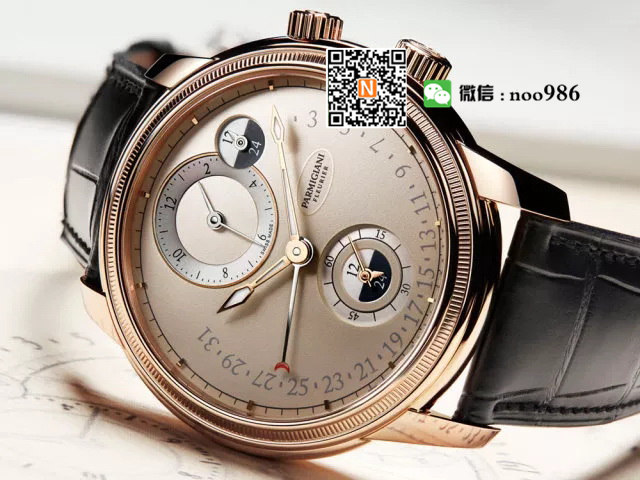
The Parmigiani Fleurier Toric Hémisphères Rétrograde features a sub‑dial at the 12‑o’clock position for the second‑time‑zone display, together with a day‑night indicator. A sub‑dial presentation for the second time zone delivers clearer, more intuitive reading. Other layouts include the dual‑face design, such as the Jaeger‑LeCoultre Reverso Dual Time‑Zone model, and digital‑display formats pioneered by Ulysse Nardin. Beyond dual‑time‑zone functionality, certain watches can show the time for multiple locations, usually labelled with corresponding city names. A typical example is the Vacheron Constantin Patrimony Traditionnelle World‑Time watch.
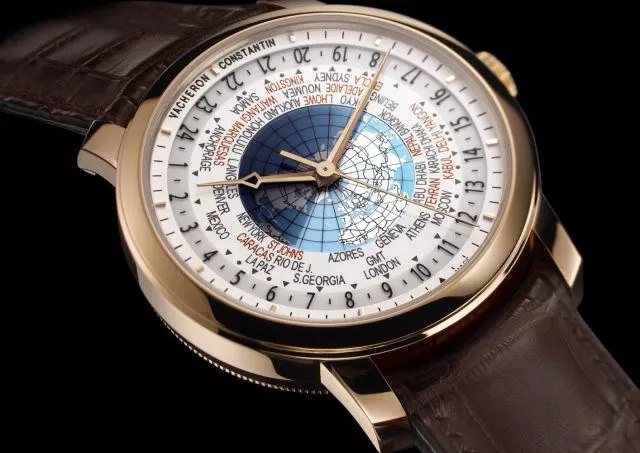
The Patrimony Traditionnelle World‑Time can display the time across 37 time zones worldwide, including those offset from Coordinated Universal Time (UTC) by half‑hour or quarter‑hour increments. To be honest, world‑time watches can be somewhat confusing to read. If you really need to check multiple‑zone times at once, a mobile app is far more convenient, so their decorative value tends to outweigh their practical function. Other complications: Power‑reserve indicator, chronograph, moon‑phase display A power‑reserve indicator is usually a window on the dial that shows how much running‑time remains before a mechanical watch needs winding. For quartz watches, an equivalent indicator displays the remaining battery charge.
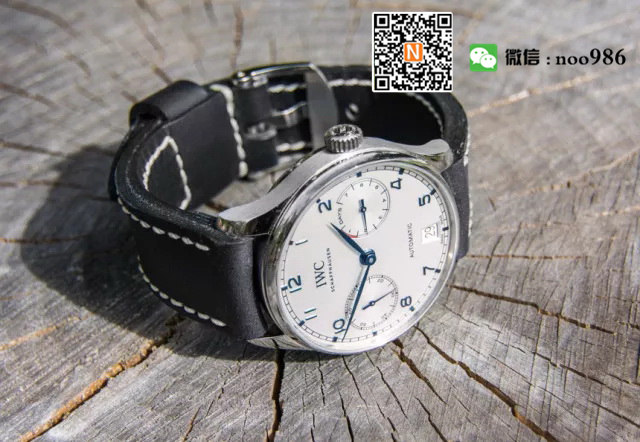
The IWC Portugieser Ref. IW500705 features a sub‑dial at the 3‑o’clock position showing a 7‑day power‑reserve indicator. The power‑reserve function is also highly practical. There are two main criteria for judging the quality of a power‑reserve display. The first is long power duration: the longer the watch can run, the better. The second is an even rate of energy depletion. If a watch loses power at an accelerating speed, its timekeeping will become inaccurate. Therefore, a longer power reserve together with a uniform energy drain demands higher watch‑making expertise and makes the watch harder to produce. Next, the chronograph serves as an auxiliary time‑measurement function. It is commonly represented by a prominent large central seconds hand, accompanied by several sub‑dials as required. Without interfering with regular timekeeping, a chronograph uses a clutch to transfer power to the chronograph wheel, enabling stopwatch measurements.
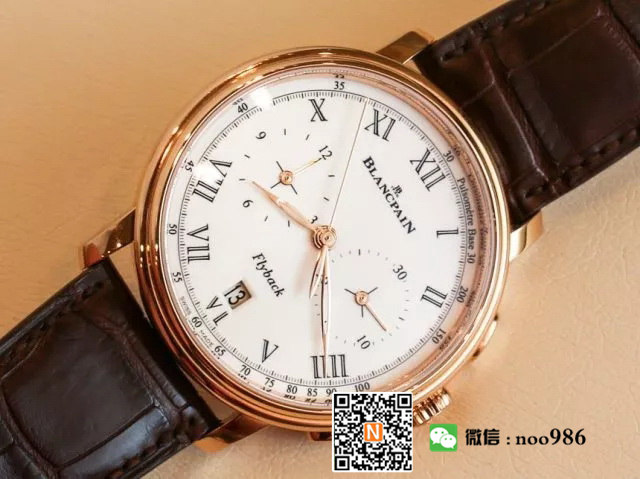
The Blancpain Classic Ref. 6680F‑3631‑55B is one of the professional doctor’s watches. A doctor’s watch replaces the tachymeter scale with a pulsometer scale, enabling physicians to measure a patient’s pulse quickly and conveniently. Chronograph watches can not only record elapsed time, but also measure speed, distance, pulse rate and other values. You may identify these functions by reading the markings printed on the outer bezel: TACHYMETER, TELEMETER and PULSATIONS. Generally speaking, chronograph complications are used frequently only in specific scenarios. Most everyday wearers may never or rarely activate this function throughout ownership, so in my opinion its practical value is limited. Nevertheless, many watch enthusiasts enjoy operating chronographs. Chronograph movements consist of numerous finely‑machined components requiring complex assembly, granting them strong ornamental appeal. However, the large number of parts also makes the movement more delicate, which deducts points from its practicality. Lastly, the moon‑phase complication. In modern daily life, lunar phases have almost no practical impact, making the moon‑phase indicator far more decorative than functional. Adjusting the moon‑phase display can also prove troublesome once the instruction manual is lost. Furthermore, a moon‑phase display is not equivalent to a day‑night indicator. To conclude, in my view the genuinely practical watch functions include basic hour‑minute‑second display, single‑date / day‑date indication and power‑reserve display. Dive watches, chronographs and dual‑time‑zone watches deliver value only under particular circumstances. Moon‑phase displays are purely decorative; tourbillons and repeater watches serve mainly as status symbols, while perpetual‑calendar complications are best appreciated by fellow connoisseurs. Features such as zodiac indications and sidereal‑time displays are interesting curiosities rather than practical tools.