Most owners of mechanical watches notice that timing errors gradually worsen after long-term wear. Routine watch servicing is certainly one contributing factor. When mechanical malfunctions are ruled out, increased time deviation is usually caused by daily wrist movements shifting the position of the regulator index. If you are unfamiliar with the regulator index, read the full guide below for details.
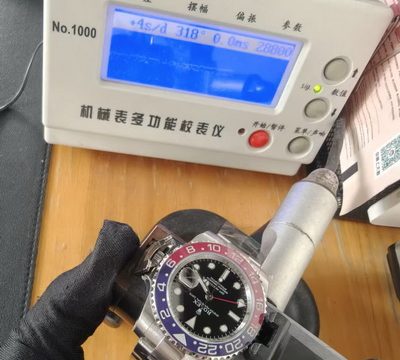
Step 1: Learn to read timegrapher readings before making adjustments
Two adjustable metrics are available for calibration: daily rate and beat error.
We will use a Submariner fitted with a 2836 movement as an example to walk you through error correction. Purchase a dedicated Rolex case back opener online or from a local watch repair shop.
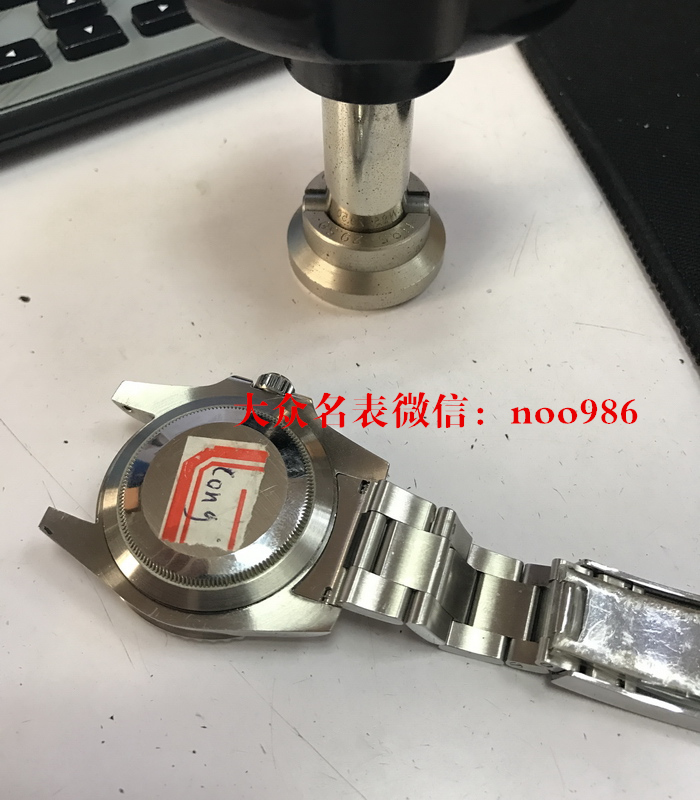
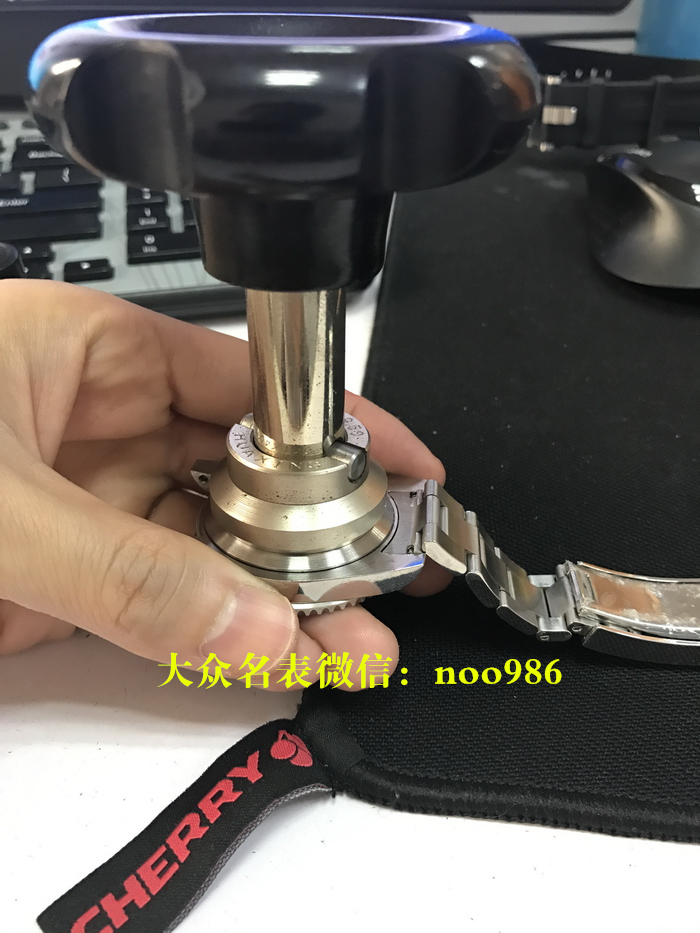
After unscrewing the case back, you will see the movement’s rear side. The area hidden beneath the rotor is where our calibration work will take place.
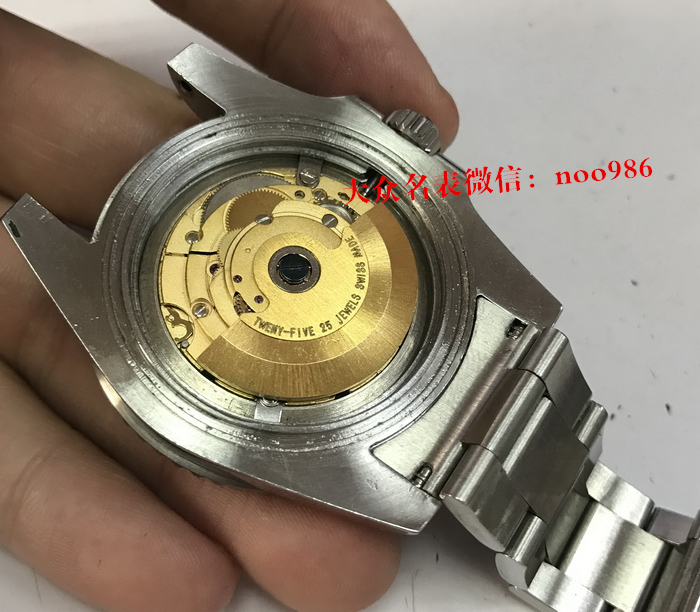
Shift the rotor aside slightly. The position pointed to by the screwdriver corresponds to the beat error adjustment point. But where is the regulator index? It is covered by the rotor, so we need to partially disassemble the movement.
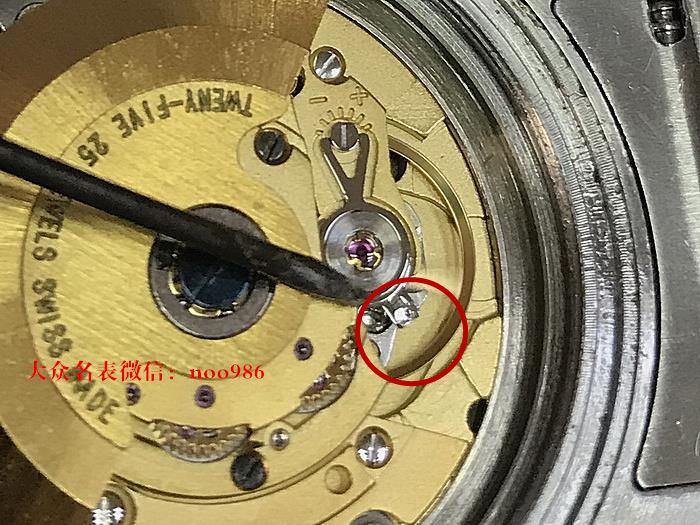
Loosen the two black screws circled in red, then gently pry up the base plate.
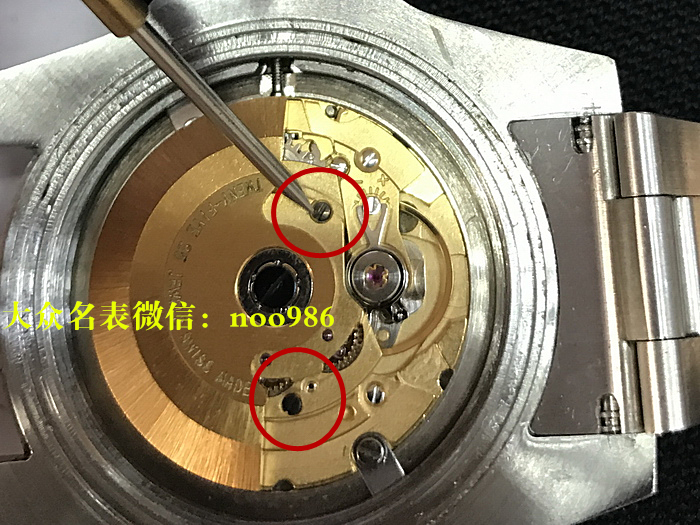
You will now have clear access to the regulator index. The shorter arm controls beat error, while the longer arm is the regulator index for adjusting daily rate. Make tiny incremental adjustments left or right – never make large movements in one go. Tweaking the regulator index directly modifies the daily rate figure shown on the timegrapher. We recommend targeting a daily rate of +5 to +10 seconds per day; there is no need to chase absolute 0s/d accuracy, as watches naturally slow down when power reserve runs low. Keep beat error controlled within 0.5 ms.
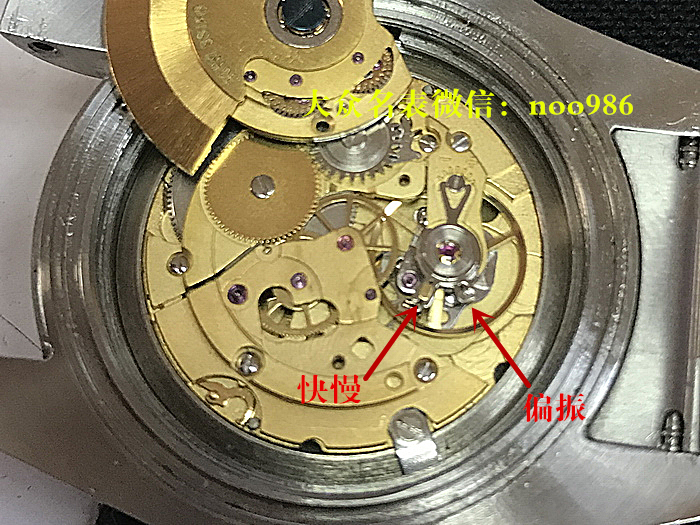
Test the watch on the timegrapher after every small adjustment. You will see updated readings after each tweak; patient tuning will deliver ideal results. Two extra metrics were not covered above: amplitude and lift angle. The lift angle is an inherent fixed property of the movement and cannot be modified manually. Amplitude is also not adjustable for beginners, yet it is extremely critical for watch health. If the amplitude drops below 250°, the watch will inevitably run slow, and tuning daily rate or beat error will not fix the root issue. In this case, the watch requires professional overhauling or movement lubrication service.
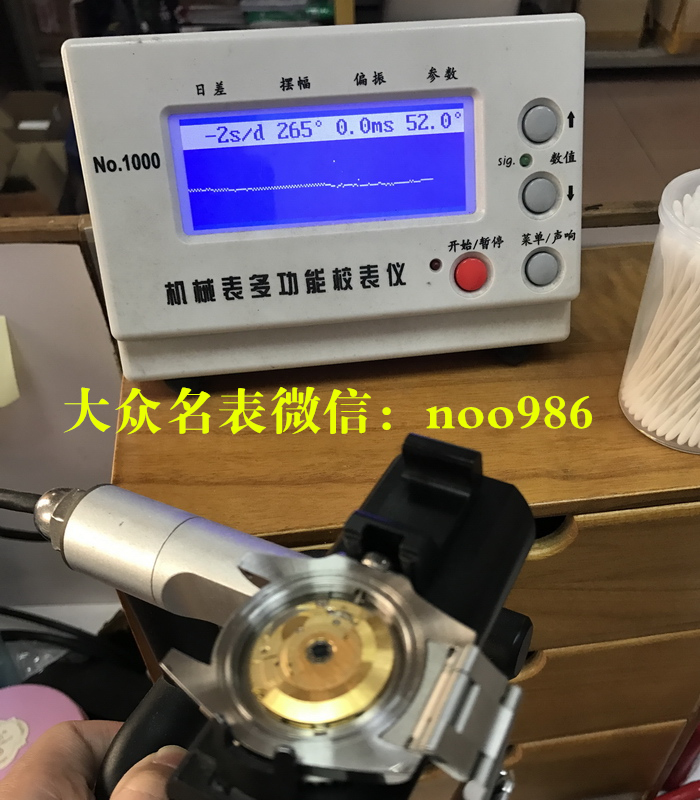
Many people assume stable timegrapher readings equal consistent real-world accuracy. Our replica watches adopt entry-level Seagull and similar movements to control costs. The practical timekeeping performance of a movement matters far more than static data from testing equipment. For example, genuine Rolex 3135 movements maintain nearly identical accuracy both on the timegrapher and during daily wear – this is the outstanding advantage of original Rolex calibers. Standard non-chronometer grade original Swiss ETA2824 movements carry an official tolerance of ±12 seconds per day. Based on my practical tuning experience, setting the daily rate between +5 ~ +15 s/d is the most suitable range for self-calibration on replica watches.