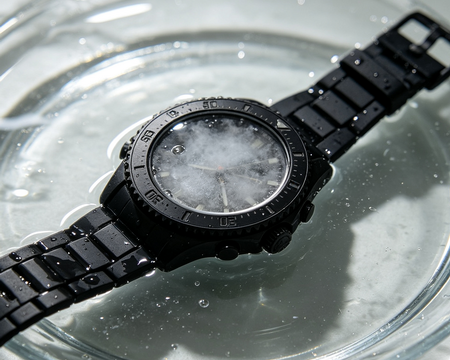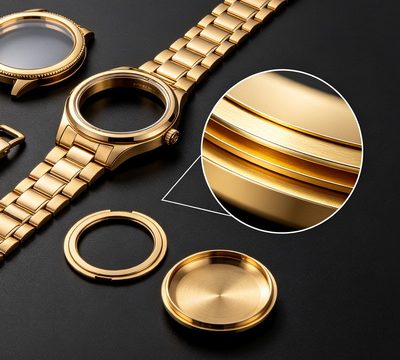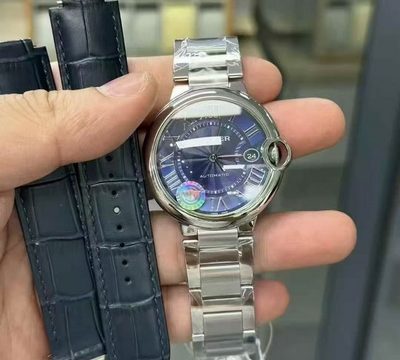
No watch‑lover can afford to stay uninformed about watch‑case materials. Case material constitutes an essential consideration when picking out a watch. Your material choice not only reflects your financial standing but also reveals your personal taste and wearing‑habit preferences.
There are more than a dozen kinds of watch‑case materials. You do not necessarily need to know every single one, yet it is inadvisable to only be familiar with gold and steel. In the eyes of watch enthusiasts, this marks you out as highly unknowledgeable about timepieces.
stainless‑steel
What exactly is stainless‑steel? As one of the most common watch‑case materials, it possesses the inherent toughness of metal and delivers comfortable wear. The term “refined steel” does not exist within academic and engineering terminology. The stainless‑steel referenced by watch lovers generally covers carbon tool steel and carbon‑alloy steel. It features fade‑resistance, deformation‑proof performance and skin‑friendly properties without causing skin irritation.
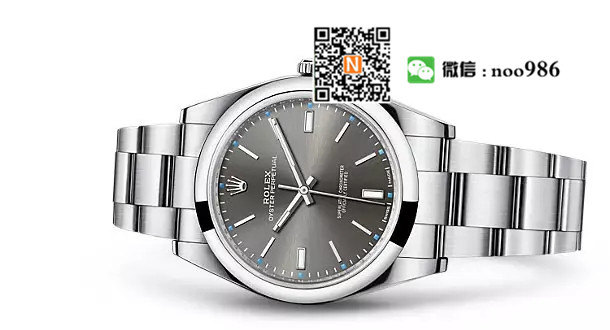
What exactly is stainless‑steel? As one of the most common watch‑case materials, it possesses the inherent toughness of metal and delivers comfortable wear. The term “refined steel” does not exist within academic and engineering terminology. The stainless‑steel referenced by watch lovers generally covers carbon tool steel and carbon‑alloy steel. It features fade‑resistance, deformation‑proof performance and skin‑friendly properties without causing skin irritation.
18‑karat gold
Quite often, when you tell others that your watch is made of 18‑karat gold, some people may wonder why it is not crafted from pure gold. This stems from deep‑rooted public perceptions over gold purity among Chinese people. Many are unaware that 24‑karat gold is far too malleable for watch‑case fabrication and prone to easy deformation.

Gold watch‑cases available on the market are either gold‑plated or made of 18‑karat gold. Even 18‑karat gold comes in multiple variants, known professionally by “N‑number” designations. Common options include 3N 18‑karat yellow gold, 4N 18‑karat rose gold and 5N 18‑karat red gold, distinguished by progressively deeper colour tones.
18K white gold
18‑karat white gold is one variant of 18‑karat gold. It is treated as a separate category due to its absence of golden colour. In terms of market value, watches crafted from white‑gold cost more than their 18‑karat yellow‑gold and rose‑gold counterparts. The higher price is chiefly attributed to palladium, a rare metal incorporated into the 25‑percent alloy composition besides the 75‑percent pure‑gold content.
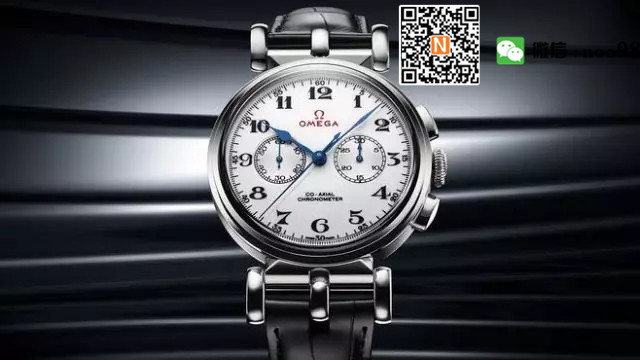
Gold alloyed with palladium undergoes a dramatic colour shift. As its name suggests, white‑gold bears the silvery shade of stainless‑steel, making white‑gold‑cased watches the symbol of understated style. White‑gold timepieces are commonly seen among high‑end brands and complicated‑function models. Many of them are limited‑edition releases with decent collectible value.
ceramic
Unlike conventional ceramics, the high‑tech ceramic adopted for watch components goes through an elaborate manufacturing procedure. Mainly composed of zirconium oxide, it features a sleek finish, outstanding wear‑resistance and skin‑safe properties. It ranks among the most popular non‑metallic watch‑case materials. Compared with stainless‑steel watches, ceramic timepieces weigh roughly 60 percent lighter, and the material boasts around ten‑fold greater hardness.
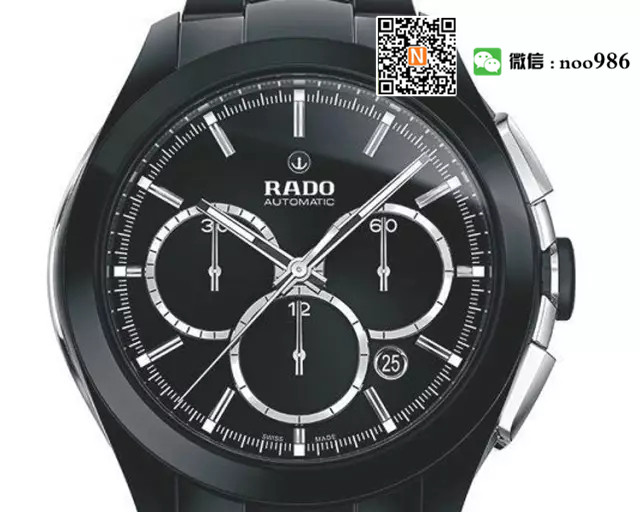
RADO is the pioneer brand that applies ceramic materials to watch cases and bracelets. The brand markets the material as “HIGH‑TECH CERAMICS” and “space‑grade material”. Ceramic cases and straps are adopted across its watch collections, including Sintra, Integral, Jubile, True, Hyperchrome and Cerix.
titanium
Titanium is 30 percent harder than steel while remaining lighter in weight and highly corrosion‑resistant. Titanium‑made watches deliver exceptional wearing comfort. Being nickel‑free, the material will not irritate your skin and stays problem‑free even when you sweat. Besides, the combination of low weight and high hardness renders titanium watches remarkably durable.

Thanks to titanium’s lightweight and durable traits, most watches fitted with titanium cases come in relatively large‑diameter sizes. Representative examples include the IWC Aquatimer, Omega Co‑Axial Chronograph, Panerai timepieces, alongside smart‑watch models from Citizen and Casio.
Platinum is alloyed with iridium, osmium, ruthenium, rhodium and palladium. As an extremely scarce precious‑metal, it melts only under ultra‑high temperatures. Platinum resists acid corrosion and maintains its properties without reacting with air. Only a handful of watch brands work with this material, and it is reserved for select models, most of which are limited‑edition releases. The marking PT950 is engraved on the watch case.
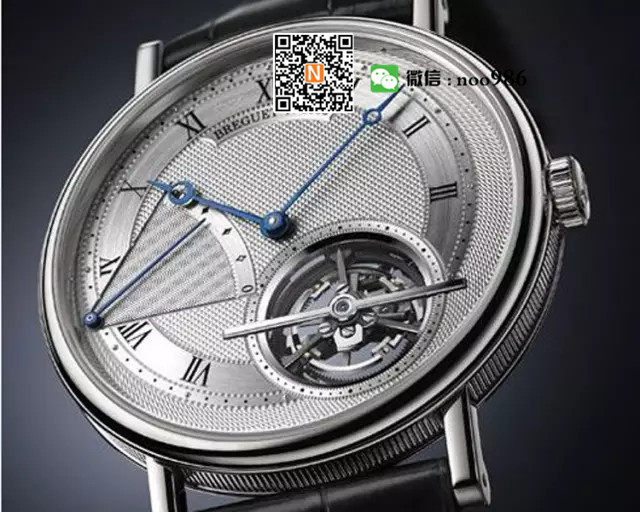
For collectors and investors, platinum‑cased watches serve as an excellent option. All the same, platinum timepieces are best‑suited purely for collection. Watches crafted from this metal feel heavy and relatively soft, rendering them prone to scratches and dents. Owing to their substantial worth, few owners wear their platinum watches for everyday use.
carbon‑fiber
Carbon‑fiber is another highly distinctive material. It is lighter and harder than titanium metal and boasts incomparable toughness alongside avant‑garde appearances, making it a favourite among stylish men. Naturally, it also comes with a hefty price tag.
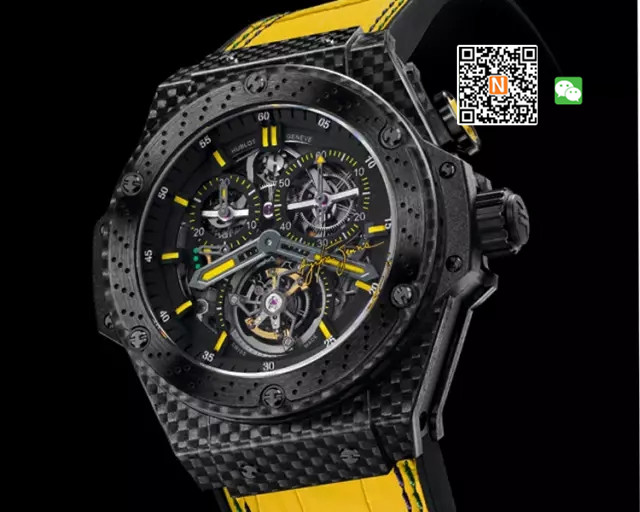
Carbon‑fiber was originally deployed in speed‑related fields. It can be found in bicycles, Formula‑One racing, as well as the marine and aerospace industries. For that reason, watches with carbon‑fiber cases are mostly designed for sports and speed‑themed purposes.
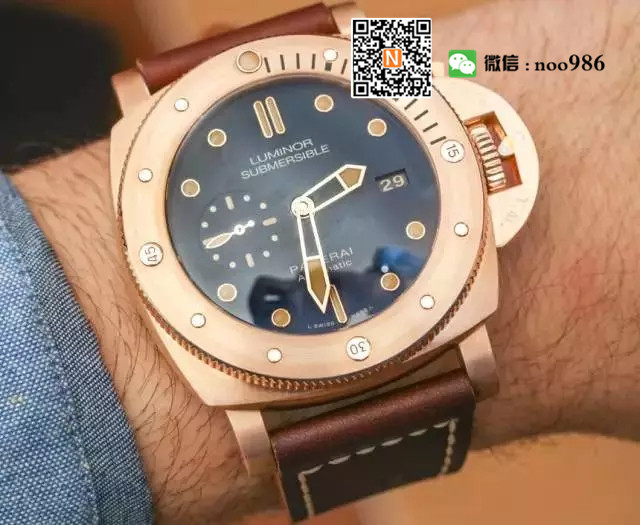
bronz
Copper is softer than stainless‑steel and calls for more intricate crafting techniques, which explains its limited adoption in watch‑making. Its scarcity has rendered it well‑loved among many watch enthusiasts. Besides, the rugged, wild aesthetic of bronze appeals greatly to tough‑minded men.
palladium
Palladium, a precious metal, bears silvery‑white metallic luster with bright colour and resembles platinum in appearance. It is lighter and harder than platinum.
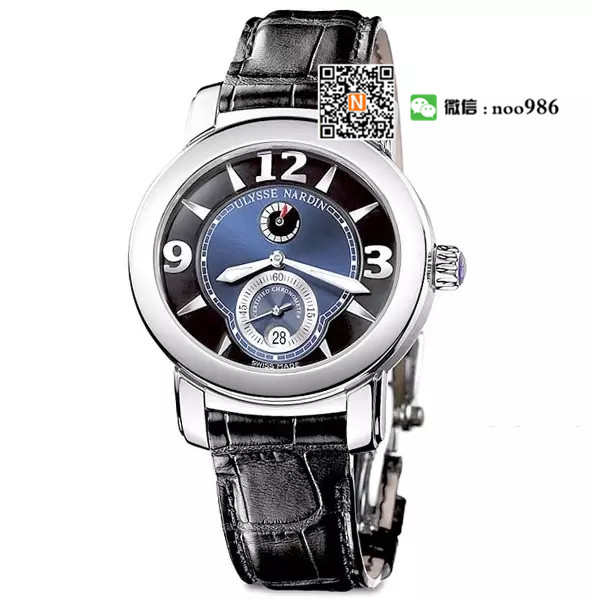
Only a small number of watch brands adopt palladium for watch‑making. Likely owing to its low public recognition, it lacks the premium status of platinum and white gold, so watch manufacturers are reluctant to make use of this material.