So, has Rolex ever produced any display‑back watches? The short answer is yes. The Cellini Prince is one such example. Aside from a handful of extremely rare limited‑edition pieces, the Cellini Prince is practically Rolex’s only watch with an open‑case‑back design.
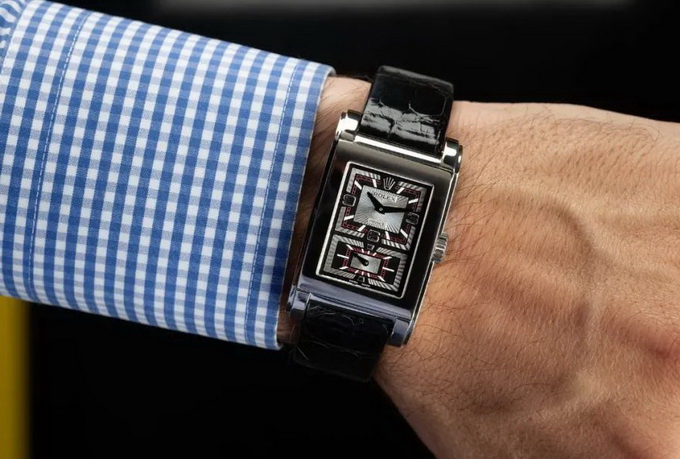
The Cellini Prince was first launched in 1928 and remained in production until the 1940s before being discontinued, marking a fairly long‑lived run. Therefore, when Rolex re‑released the Cellini Prince in 2005, the brand did so with great confidence. Rolex sales representatives were reportedly optimistic, claiming that the Cellini Prince would become an even more sought‑after speculative collectible than the Daytona.
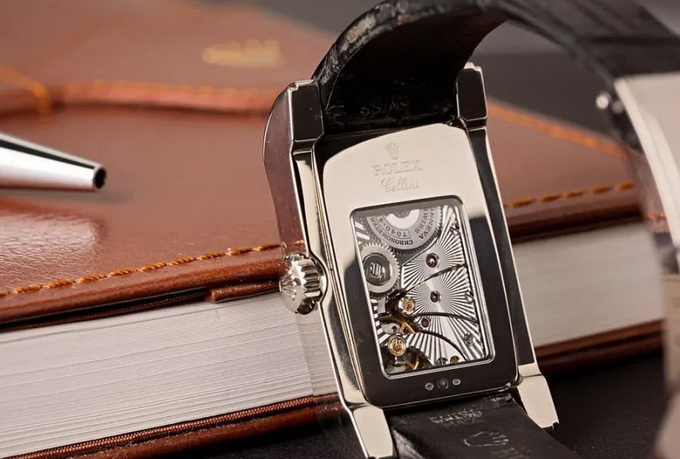
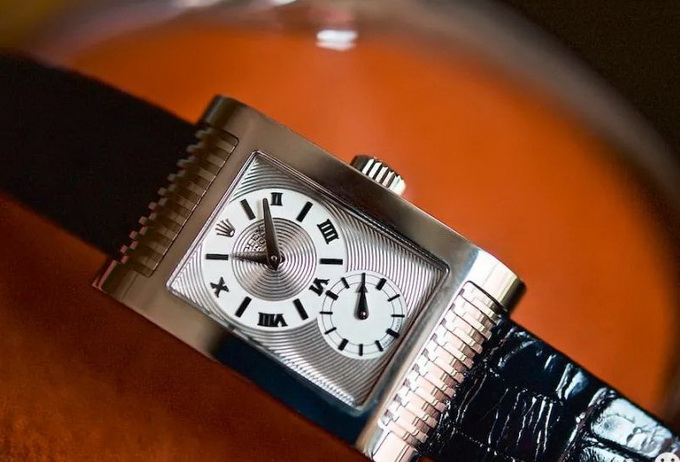
Compared with the original Prince model, the re‑issued Cellini Prince kept its overall shape and Art‑Deco‑style aesthetics, yet featured more refined finishing and, for the very first time, a display‑back design. Unfortunately, the Cellini Prince earned a reputation as “the least Rolex‑like Rolex watch”. Though well‑received by critics, it failed to sell well, and Rolex eventually discontinued it. Later‑released Cellini models switched to round cases instead.
The Prince is a truly distinctive timepiece. With its square case, manual‑wind movement and separate small‑seconds sub‑dial, it bears a strong visual resemblance to a Jaeger‑LeCoultre watch.
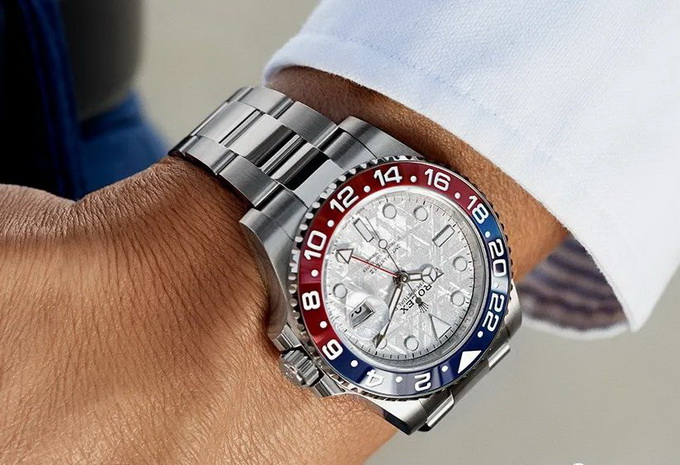
So why does Rolex avoid display‑back watches? Could this single unsuccessful attempt be the sole reason? The brand has never released an official, clear‑cut explanation. Given Rolex’s legendary status in the watch industry, watch enthusiasts have come up with plenty of theories.
Some believe the decision stems from the brand’s styling and market‑positioning strategy. When people think of Rolex, they immediately associate it with rock‑solid reliability, trusted build‑quality and timeless design — earning it the famous reputation “a Rolex for life”. Reliability, precision and durability are Rolex’s most prominent hallmarks. In short, Rolex is technically capable of making display‑back watches, yet it simply has no need to. Over time, its plain, unengraved solid case‑back without a transparent window has itself evolved into one of Rolex’s iconic trademarks.
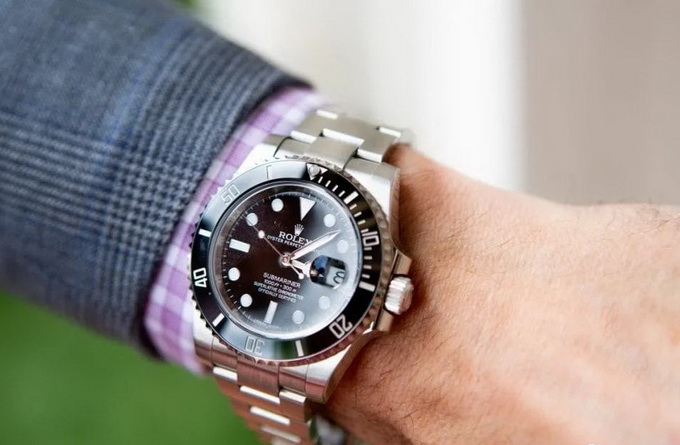
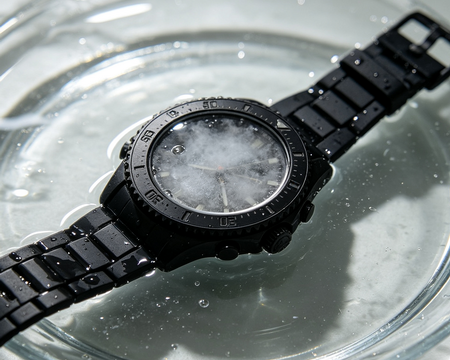
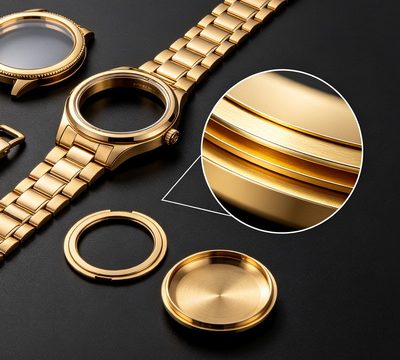
Some people argue that Rolex shuns display‑back designs in order to guarantee water‑resistance, especially for its Oyster collection. The Oyster refers to Rolex‑invented construction featuring a monobloc case, screw‑down case‑back and screw‑down crown. As we all know, Oyster watches are famous for their outstanding waterproof performance. Replacing the screw‑down metal back with transparent sapphire crystal would break the Oyster concept and compromise its water‑resistance.
Even for non‑Oyster models, a display‑back can negatively affect water‑resistance to some degree. If you look closely, you will notice that few genuine professional dive watches come with open backs. Those dive‑style watches fitted with display‑backs are generally not built for actual underwater use.
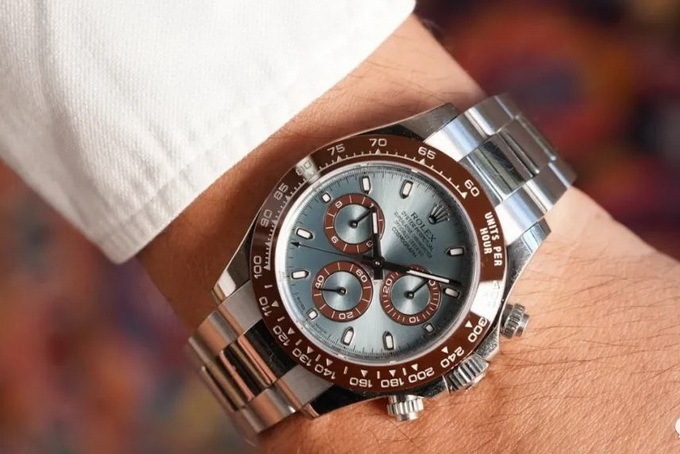
Some people believe Rolex avoids display‑back watches for cost‑related reasons. Decorative movement finishing would inevitably drive up fixed costs and go against Rolex’s philosophy of simplicity and reliability. Any rise in production costs would eventually be passed on to buyers, leading to higher retail prices.
Yet Rolex’s best‑selling watches are not its priciest models. Its popularity largely rests on its more affordable, entry‑level collections. Some Rolex enthusiasts worry that adding display‑back construction would raise costs and prices, putting the watches out of reach for average‑income fans. Rolex has never positioned itself as an ultra‑exclusive luxury brand unattainable to most people. While its entry‑level price point is high, it remains accessible to many, which explains its broad audience and strong sales volume.
However, the narrative shifted in 2023, when Rolex first tested a modern‑day display‑back design on the Ice‑Blue model. Whether it will prove commercially successful remains to be seen. Rolex has rolled out many experiments in recent years, including the colourful Oyster Perpetual range and the balloon‑dial Oyster Perpetual collection. It remains unclear whether display‑back technology will succeed on the Daytona. Personally, I am still accustomed to the solid case‑back. A rugged, understated and durable Rolex is the favourite choice for middle‑aged men. Flashy new designs will probably require a period of public acceptance.