It is undoubtedly delightful to own a luxury watch and savour its subtle charms upon acquisition, yet the process of researching and selecting a timepiece carries an even deeper fascination.
Many watch buyers develop an unerring eye during the selection journey, gaining the expertise to avoid being misled by dishonest sellers — this proficiency is forged through long-term accumulation of knowledge and experience.
Identifying prevalent watch-buying misconceptions early on brings you significantly closer to picking a high-quality watch. Today we will break down these widespread mistakes watch shoppers often make.
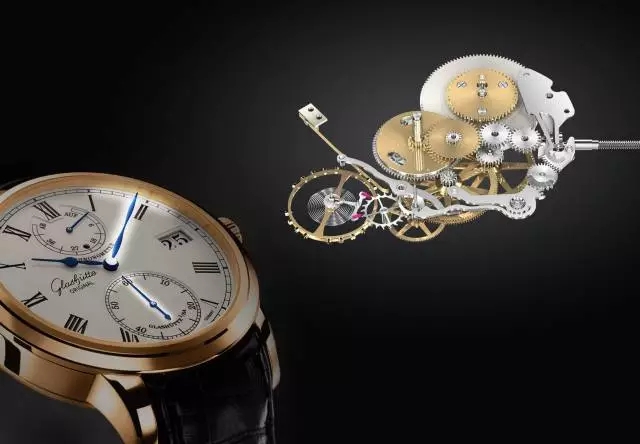
Misconception 1: You must choose watches from the “Top Ten Luxury Watch Brands”
The ranking of the Top Ten Luxury Watch Brands emerged more than a decade ago, stemming from the public’s limited understanding of the watch market back then. Consumers only knew a small pool of watch brands years ago, while countless new brands have emerged continuously in the current market. Fixating rigidly on this outdated ranking is rather old-fashioned nowadays.
Some highly renowned luxury watches carry exorbitant price tags, yet their intrinsic value often fails to match such steep pricing. Cartier, for instance, is largely oriented toward female wearers; male collectors do not need to blindly follow the trend, and one piece would suffice for collection purposes. Sensible buyers ought to prioritize craftsmanship and quality over brand fame and chase superior quality above everything else. As long as a watch boasts exquisite workmanship, attractive aesthetics and premium solid materials, the origin of the brand should never be a decisive factor.
Misconception 2: Mechanical watches are inherently superior to quartz watches
Numerous watch purchasers hold the belief that owning a mechanical watch is essential to maintain one’s taste and status, but this mindset is incorrect. Quartz movements deliver far better timekeeping stability and precision than the vast majority of mechanical movements. Many top luxury houses have rolled out quartz variants within their classic collections at considerably lower price points compared to their mechanical counterparts. Wearing a quartz watch is by no means something to be ashamed of.
These two types of timepieces operate on completely different mechanisms. Mechanical watches rely on gear trains for operation, which inevitably generates inherent time deviation. By contrast, quartz watches adopt electronic oscillation for time measurement.
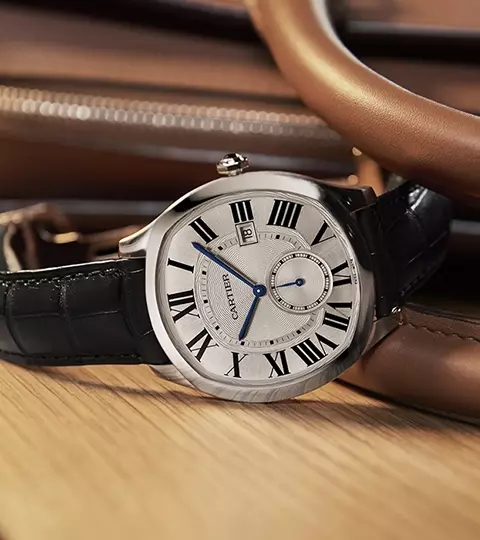
Misconception 3: Quartz watches always keep perfect time
In truth, the majority of quartz watches cannot deliver ultra-precise timekeeping, and only a tiny fraction achieve outstanding accuracy. Most quartz watches have a monthly time deviation of 10 to 15 seconds. Models with a monthly error under 10 seconds are regarded as qualified products, while those with a monthly error below 5 seconds are premium items rarely seen on the market. High-end quartz timepieces are generally fitted with temperature compensation circuits to sustain steady and accurate time performance amid fluctuating ambient temperatures.
Misconception 4: Higher price equates to better watch quality
Do conventional mindsets such as “you get what you pay for” and “expensive items are inherently superior” apply to the watch industry?
When it comes to overall build quality, Rolex stands unrivalled as an industry benchmark in both timekeeping precision and low repair rates, much like Lexus within the automotive sector.
Ultra-complicated timepieces manufactured by much pricier brands including Patek Philippe and Vacheron Constantin boast far higher price tags than Rolex, yet some of their models register a repair rate exceeding 3%. Accordingly, product quality cannot be directly equated to retail price. If durability and ruggedness are your top priorities, Rolex is undoubtedly the ideal pick.
Labelling high-end luxury watches as overpriced rip-offs would be an overstatement and unfair to dedicated watchmakers devoted to traditional craftsmanship. In many cases with luxury watches, consumers pay double or triple the cost for marginal improvements in tangible quality. A large part of watch ownership lies in sentimental value and historical heritage; the symbolic significance outweighs practical functionality. Therefore, a watch’s true value cannot be simply judged by its repair record or mechanical quality standards alone.
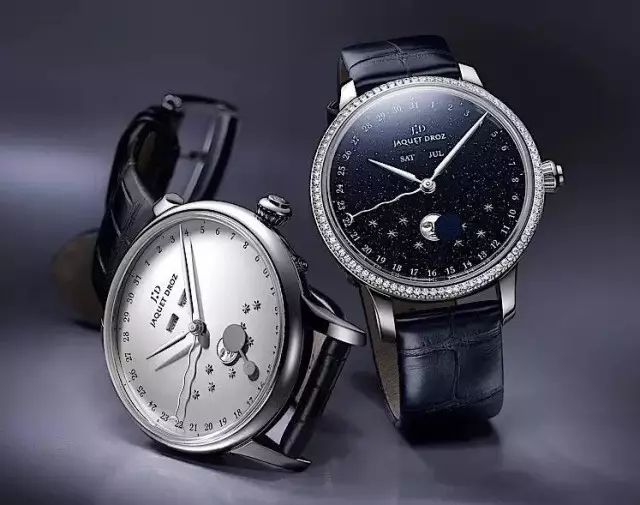
Misconception 5: A watch marked 30m water-resistant can be worn while showering
If your watch manual indicates a 30-meter water resistance rating, even a few minutes splashing around in a water park can permanently damage the timepiece. Within Swiss watch industry standards, 30m or 50m ratings only signify splash resistance for daily life, which essentially means you ought to keep your watch away from water as much as possible. Only watches rated for 100 meters of water resistance are safe for full water submersion without water ingress. Professional dive watches normally require a water resistance rating of no less than 200 meters.
Misconception 6: Luxury watches are safe to wear when playing golf
Watch movements are inherently delicate, especially when subjected to abrupt violent shocks. During a golf swing, particularly at the moment of tee-off, the wrist is exposed to an extremely high instantaneous G-force impact. While such force poses no threat to human bones, it delivers a substantial shock to the watch worn on the wrist. Numerous high-end formal dress watches from prestigious brands end up at watch repair centers due to forceful swings by their owners.
Misconception 7: There exists completely wear-proof watches
No matter if the case is crafted from solid steel or precious metals, wear is inevitable for all watch casing materials. Many consumers find the advertising term “wear-proof” appealing, yet scratches and abrasions will form on watch cases no matter how premium the material is. Even simple daily actions such as typing on a keyboard will gradually leave unsightly scuffs and marks on the watch clasp over extended use.
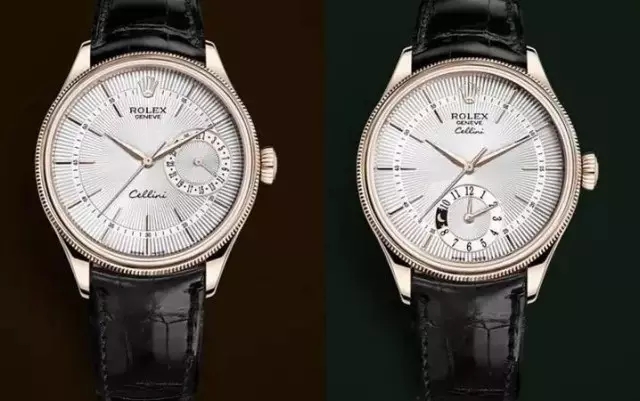
Misconception 8: Watches require no servicing
I have stressed the importance of watch servicing countless times: proper professional maintenance is absolutely essential if you truly treasure your timepiece. People hold two main opposing views on this matter. A common argument goes: “Manufacturers recommend servicing roughly every five years at most, but my watch has kept running for 10, 20 or even 30 years with zero servicing, so I don’t believe regular maintenance is necessary.”
Here are three key points to address this opinion.
First, the recommended service cycle is a theoretical benchmark, which differs from real-world conditions and varies across different brands and watch models.
Second, wearing a watch is analogous to driving a car. Why does the same car model wear out badly before hitting 100,000 kilometres for some drivers, while others can drive theirs for hundreds of thousands of kilometres with no major issues? The same logic applies to watches — proper upkeep is critical to extending service life.
Third, to those who claim their watches still tick normally after decades without servicing: is the movement truly operating under healthy conditions? Moreover, can you guarantee your watch will still function properly 50 or 100 years from now?