There is a well-known saying among watch enthusiasts: “A man should own two watches – one dress watch and one sports watch.” If you have to pick one first out of the two, I would recommend the sports watch. Sports watches feature scratch resistance and excellent durability, and they can also stand out stylishly when matched with formal outfits. Once you opt for a sports watch, it is essential to fully understand its built-in functions. This article elaborates on eight core functions that showcase the charm of sports watches for land, sea and air scenarios.
1. Helium Escape Valve
High-quality dive watches always highlight their maximum diving depth as a key selling point. For novice watch collectors, this specification is intuitive and appealing. Nevertheless, another critical feature vital to diver safety is frequently overlooked: the helium release function.
To understand how the helium release function works, we first need to learn why dive watches require helium venting capability. During deep-sea operations, divers breathe a helium-oxygen gas mixture. Thanks to the tiny molecular size of helium, this blend causes far less physical harm to divers compared with regular atmospheric air, which consists of nitrogen and oxygen. As divers ascend to the surface amid drastic pressure shifts, helium can be expelled from the human body with greater ease, preventing gas poisoning triggered by nitrogen or pure oxygen intake.
Nevertheless, helium’s minuscule molecular structure is a double-edged sword. While beneficial for divers, it poses severe risks to dive watches. Even with superior water-resistant construction, dive cases cannot fully block helium molecules, which penetrate through the tiniest gaps. As external pressure drops gradually during ascent, the internal pressure sealed inside the watch case rises relatively, which may lead to the watch case bursting open. Under such circumstances, the helium escape valve acts as a critical component that safeguards the watch from permanent damage.
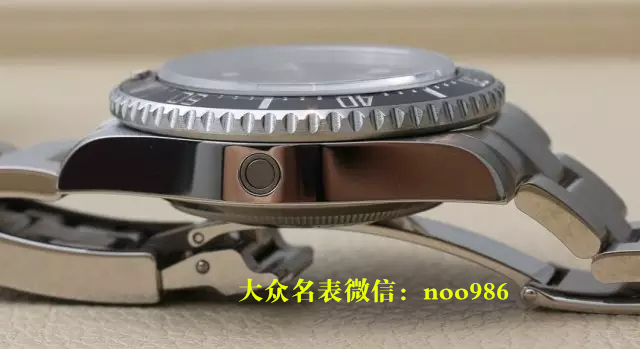
Rolex Sea‑Dweller 4000 dive watches are fitted with a one‑way valve on the flank of the watch case. This automatic helium escape valve activates once the internal case pressure exceeds a preset threshold, eliminating the need for manual adjustment by divers. The design enables smooth gas discharge while preserving the outstanding waterproof performance inherent to the dive watch.
2. Tachymeter for Speed Measurement
The tachymeter function is inherently associated with racing chronograph watches. The tachymetric scale is commonly printed along the outermost edge of the dial or engraved onto the external watch bezel of racing timepieces.

Rolex Daytona features a short-duration chronograph accurate to 1/8 of a second. The tachymeter scale on the external bezel allows drivers to instantly read their traveling speed after covering a set distance, making this watch an essential tool for racing drivers. Rolex’s proprietary Cerachrom tachymetric bezel stands as an iconic hallmark of the Daytona collection, capable of measuring average speeds up to 400 kilometers per hour.
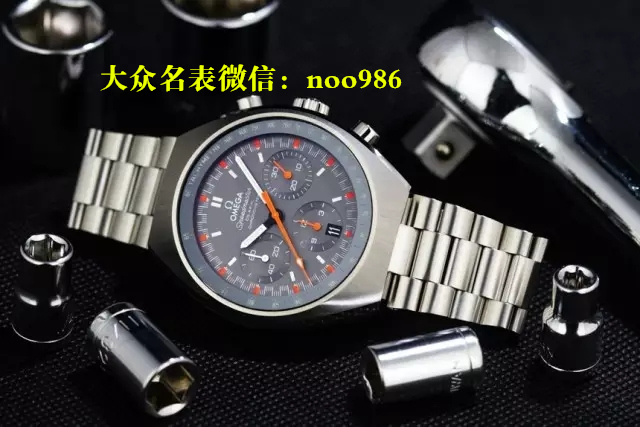
Likewise, the Omega Speedmaster collection has been favored by racing drivers ever since its official launch in 1957. The Speedmaster also made history as the world’s first chronograph to relocate the tachymeter scale from the dial surface onto the external bezel.
3. Chronograph Function
Among all complicated watch complications, the chronograph remains the most popular variant. Its practical value pairs perfectly with all types of sports scenarios: whether timing formal sports events or personal workouts, a reliable chronograph is indispensable. Major watch manufacturers have long engaged in fierce competition over chronograph development. For instance, Breitling and TAG Heuer built their brand reputations entirely upon chronograph production, while Zenith leads the industry with cutting-edge technologies for self-winding chronograph movements and high-frequency oscillations.
Some watchmakers adopted a user-centric design mindset, giving rise to countdown watches. The countdown complication shines brilliantly in yacht racing applications, while also serving as a subtle visual reminder of the passage of time.
4. Shock Resistance
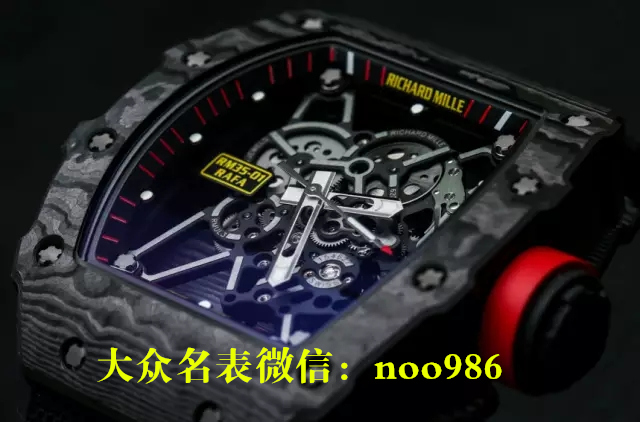
The core attributes of a sports watch lie in scratch resistance, wear resistance, rugged shockproof construction and outstanding durability, complemented by sport-oriented functions and design details. Richard Mille, a brand renowned for revolutionary watchmaking technologies and ultra-precise tourbillon timepieces, excels perfectly in these aspects. Wearers can confidently sport a Richard Mille tourbillon watch while driving F1 race cars or playing tennis without any concerns.
The movement housed inside the Richard Mille 35-01 Rafael Nadal boasts excellent resistance to external physical shocks. The RMUL3 caliber underwent rigorous testing in Les Breuleux under harsh extreme conditions, including intense impacts of over 5,000 Gs. The movement operates stably with ease even when exposed to the harshest working environments.
5. Lockable Crown
Water resistance is the paramount requirement for diving enthusiasts. A watch reaches its certified waterproof rating mainly through rubber sealing gaskets installed at the crystal, case back and crown. Designs such as snap-closure waterproof watches, press-fit waterproof cases and compressed screw-down crowns have all been developed to further upgrade waterproof efficiency.
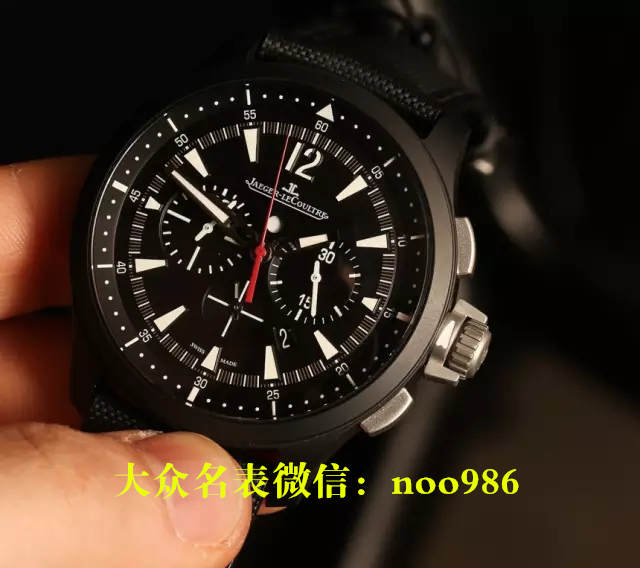
Jaeger-LeCoultre’s Master Compressor collection leverages the brand’s patented compressed screw crown technology to deliver optimal waterproof performance. Rotating the crown by half a turn compresses one of its four annular gaskets into a tight seal and locks the crown in a secured position, effectively preventing unintended accidental operation.
6. Rotating Dive Bezel
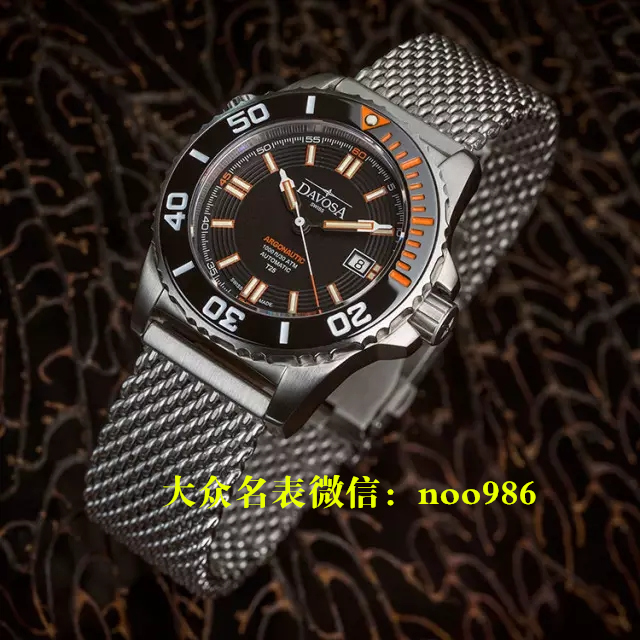
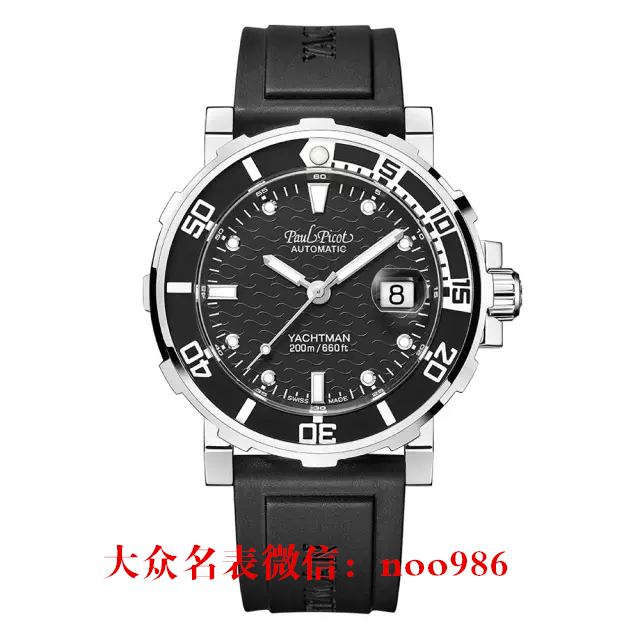
Accurate time measurement is critical throughout underwater diving operations. Every diving procedure relies on precise timing, and each step is closely tied to the diver’s personal safety. In this context, the rotating bezel is an indispensable component of dive watches and the most iconic feature of professional diving timepieces, serving to track elapsed dive duration.
Standard dive bezels are marked with graduations at 15, 30 and 45 minutes, matching the typical 45-minute endurance limit of conventional diving oxygen tanks; a small number of models adopt a full 60-minute scale. The initial 15-minute section is filled with colored coatings or distinctive markings. Divers are required to complete a 15-minute safety stop during ascent, allowing adequate time for nitrogen absorbed from breathing gas to fully vent out of bodily tissues.
To measure dive time, simply rotate the bezel underwater to align its zero marker with the watch minute hand. The elapsed dive duration can then be read directly by checking where the minute hand falls against the bezel scale. Traditional external dive bezels are designed as unidirectional counterclockwise rotation as a safety mechanism.
Certain watch models adopt an internal rotating timing bezel with no rotational restriction on the outer rim. The dedicated crown for controlling the inner bezel must be fully locked prior to submersion. A typical example is the IWC Aquatimer Cousteau edition. Its internal timing bezel fulfills dive time reminder functions perfectly, while eliminating unnecessary openings on the watch case. This design also prevents sediment and seabed grit from being dragged into tiny watch crevices when manipulating an external rotating bezel underwater.
7. Depth Measurement
The depth measurement function on dive watches operates by detecting variations in water pressure. As a basic physical principle, every 10 meters of water depth adds one standard atmosphere of hydrostatic pressure. Even on mechanical dive watches today, most depth reading systems rely on electronic depth sensors.
Take the Panerai Luminor 1950 Submersible as an example. It is fitted with a battery-powered electronic depth gauge. Users can trigger the depth measurement function via the pusher positioned at the 10 o’clock position, with real-time depth values indicated by a central yellow sweep pointer moving across the graduated scale. Powered by a lithium battery, the electronic module can run continuously for up to 500 hours, greatly boosting diving safety margins.
Blancpain’s X Fathoms dive watch features segmented depth readouts. When divers ascend to the 5-meter mark, a built-in 5-minute decompression countdown activates automatically to safeguard divers during the critical decompression phaseThe Blancp….
8. Circular Flight Slide Rule
The most recognizable hallmark of a pilot watch is its built-in flight slide rule. This ingenious mechanism enables wearers to make precise real-time calculations for core flight parameters mid-air, including flight speed, flight intervals, fuel consumption rate, climb altitude, climb rate and climb duration. With this circular slide rule, pilots can swiftly complete multiplication, division and even square root computations right on their wrist.
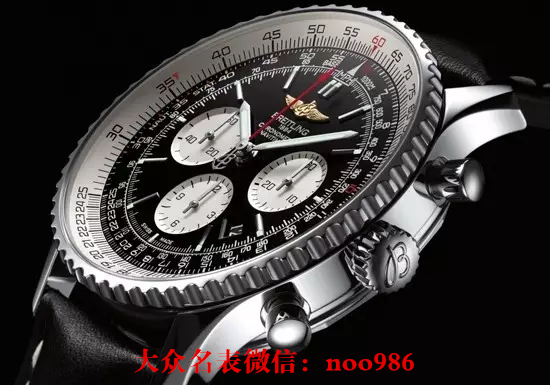
When talking about pilot watches, Breitling is an indispensable benchmark. No brand has refined pilot watch craftsmanship to greater heights than Breitling’s iconic Navitimer collection, which remains a firm favorite among private aircraft pilots worldwide. The circular slide rule function has now evolved into a standard configuration for professional pilot’s watches across the industryBreit….