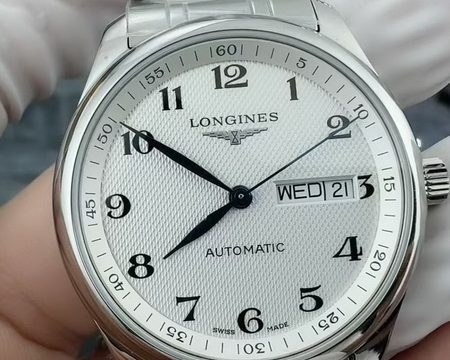
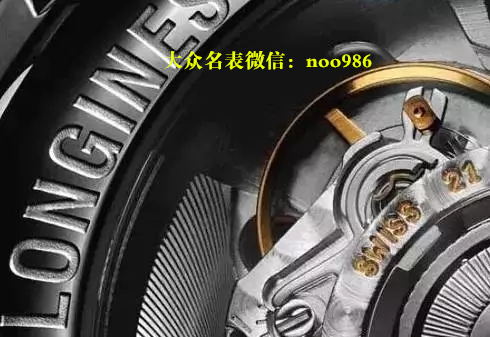
When evaluating a time-honored watch brand, its achievements in in-house movement development are always a core benchmark. While this view may seem one-sided, it reflects an undeniable truth. At present, mid-range and high-end Swiss watch movements are monopolized by a handful of movement manufacturers, with ETA — another subsidiary under the Swatch Group alongside Longines — being the most prominent. ETA movements have been widely adopted by nearly all mid-tier Swiss watch brands, consigning the golden age of diverse proprietary calibers to history.
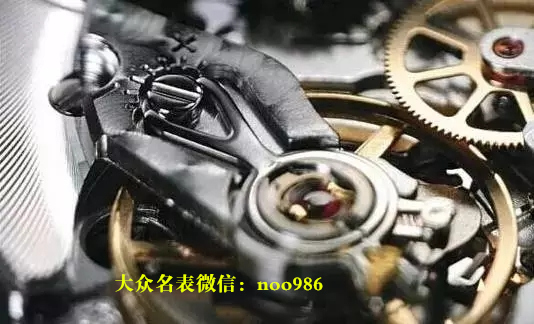
Most consumers know Longines chiefly for its celebrity marketing campaigns. The brand degraded into a third-tier label largely because it never fully recovered from the devastating impact of the Quartz Crisis. Judged against its historical prowess, modern-day Longines comes across as overly reliant on publicity rather than horological substance. I will detail the full story of the Quartz Crisis in a subsequent article. For now, let us trace the glorious past and current status of the Longines brand.
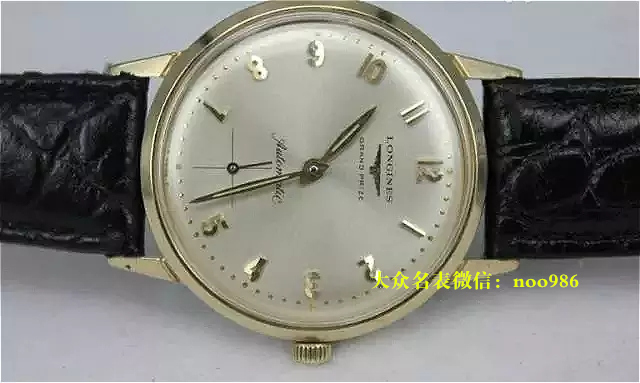
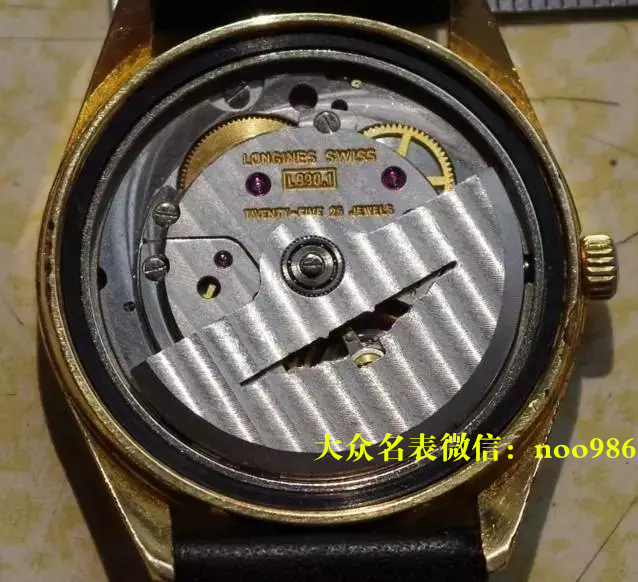
Longines reached its golden age around the 1960s. It manufactured an extensive lineup of proprietary movements, many of which meet the premium standards expected of top luxury watchmakers by today’s criteria. These calibers featured robust material selection and exquisite craftsmanship, crafted to the stringent specifications of high-end timepieces.
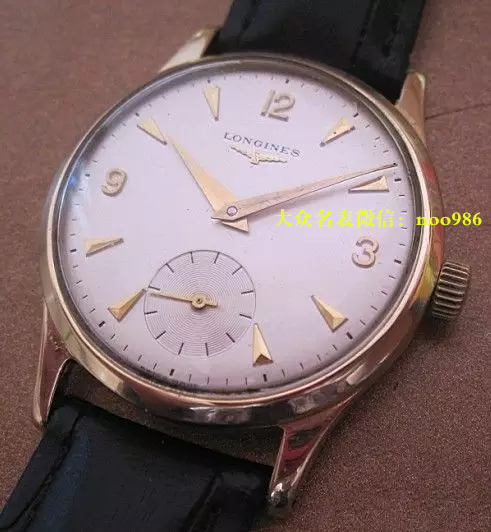
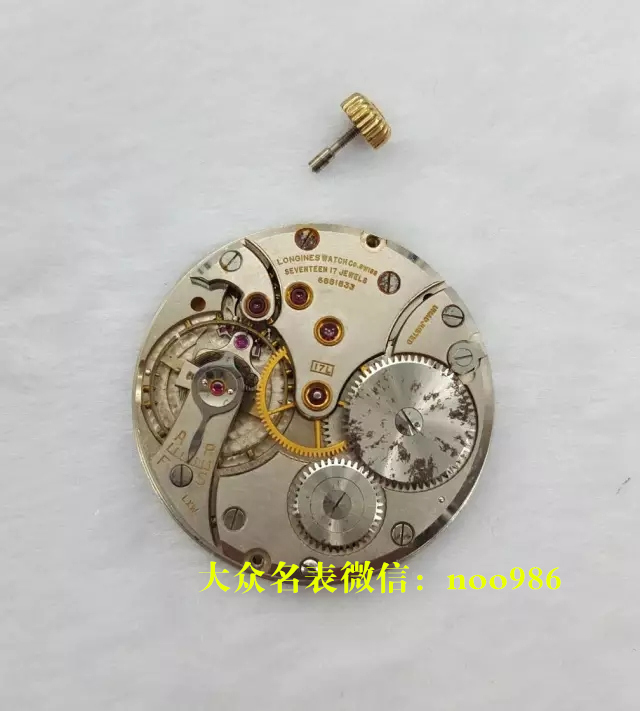
Iconic vintage proprietary movements include:
- The 19AS “Woodpecker” movement launched in the 1950s
- The in-house 341 railroad-track movement fitted inside the Admiral collection in the 1960s
- The high-frequency 345 movement with a vibration rate of 19,800 vph, equipped with premium KIF shock absorbers (1960s)
- The 472 compact automatic movement with 32 jewels (1960s)
- The 503 movement, 505 movement, and the upgraded 506 movement with added date and day complications
All of these calibers have become timeless classics.
From the mid-1960s onward, Longines shifted its corporate strategy to focus heavily on precious metal watches, which significantly elevated its standing within the global watch community.
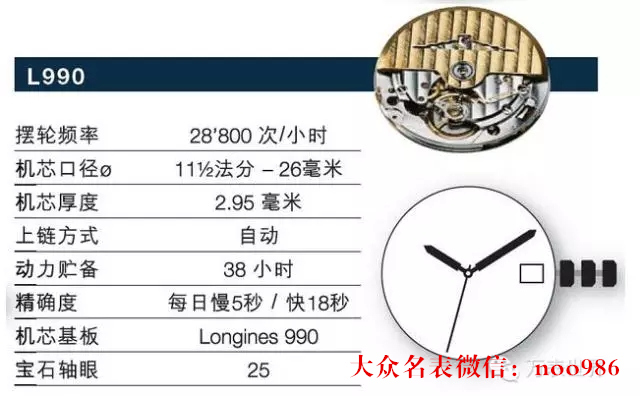
The L990 twin-barrel ultra-thin automatic movement was the final proprietary caliber developed during Longines’ heyday in the 1970s. The entire movement measured merely 2.96 mm thick, with the rotor alone accounting for over 1 mm of that thickness. Exorbitant research and production costs for the L990 placed an unbearable financial burden on Longines amid the booming Japanese quartz wave, forcing the brand to discontinue production of this legendary movement.
Lemania Movement Company later acquired the design rights and production tooling for the L990 caliber. Based on this blueprint, Lemania rolled out the 8810 ultra-thin automatic movement, together with revised variants including the 8815, 8881, 8840 and 8860. Even prestigious haute horlogerie maisons such as Breguet and Parmigiani still modify and utilize this foundational movement for some of their watch models to this day.
Thanks to its exceptional accuracy and reliability, Longines became one of the most renowned military watch suppliers during World War II. As the official issued watch for Allied forces, the brand earned tremendous accolades following the Allied victory over the Axis powers.
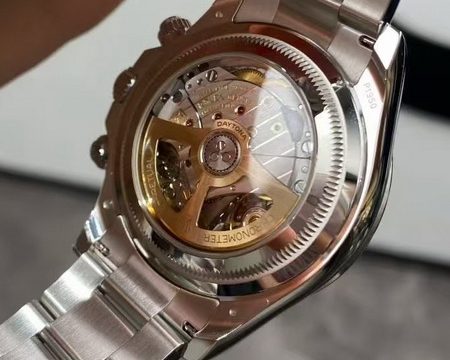
By contrast, modern Longines watches are predominantly powered by the ETA2892 automatic movement and ETA7750 chronograph movement, boosted by celebrity endorsement marketing. Its contemporary commercial success stems almost entirely from branding and promotion; the original Longines driven by genuine horological innovation no longer exists.
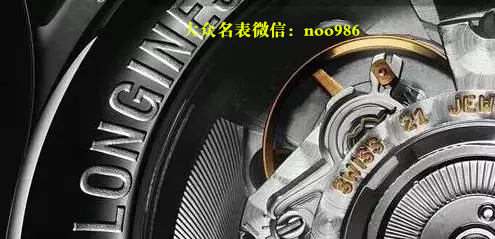
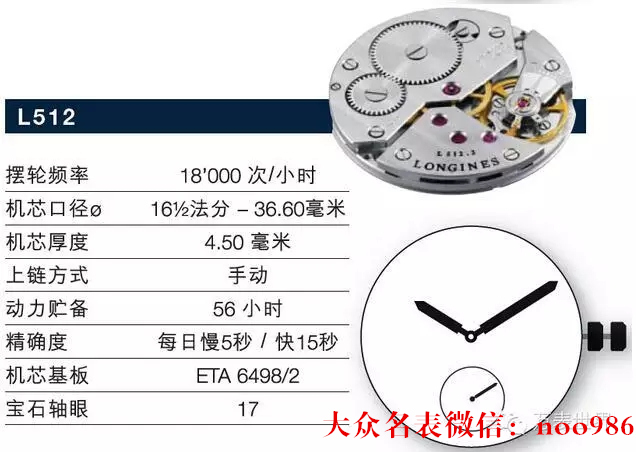
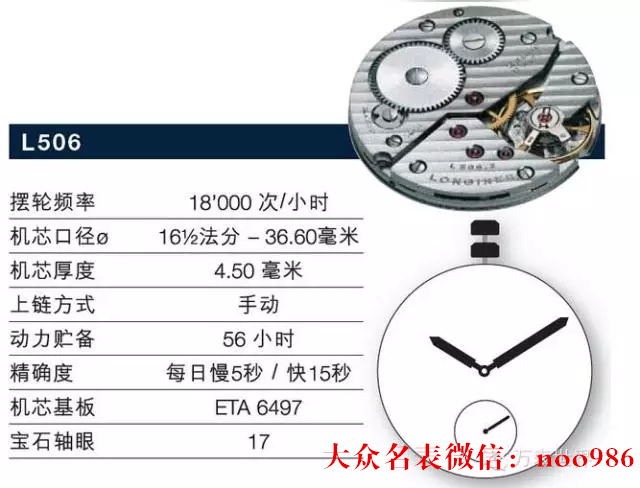
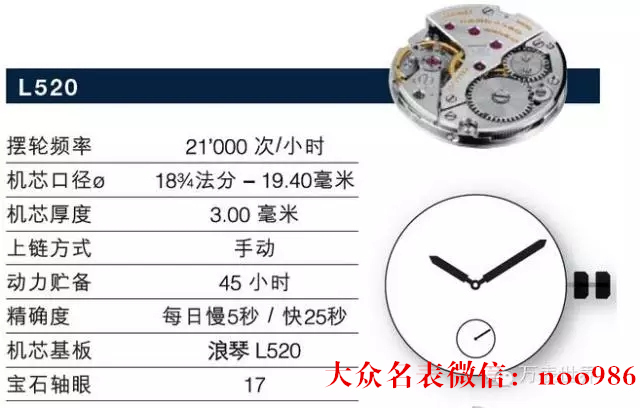
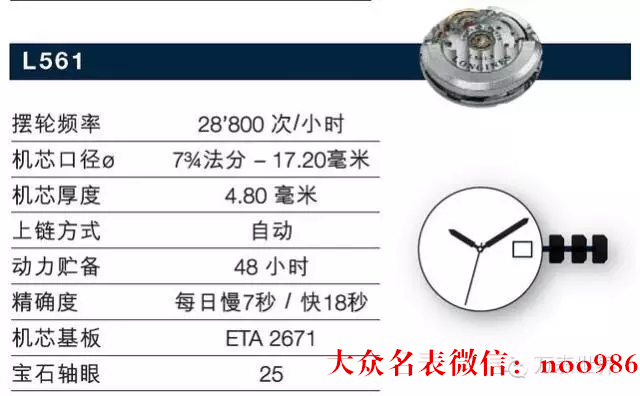
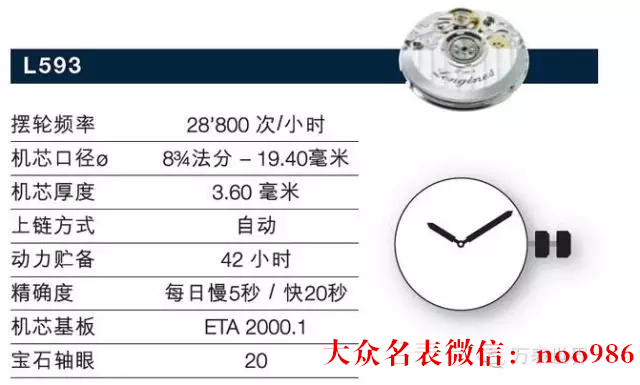
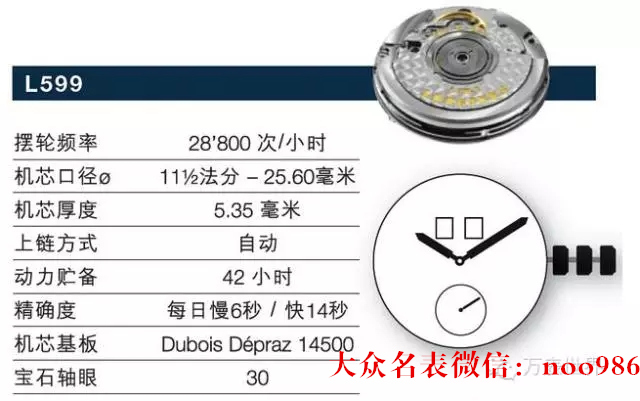
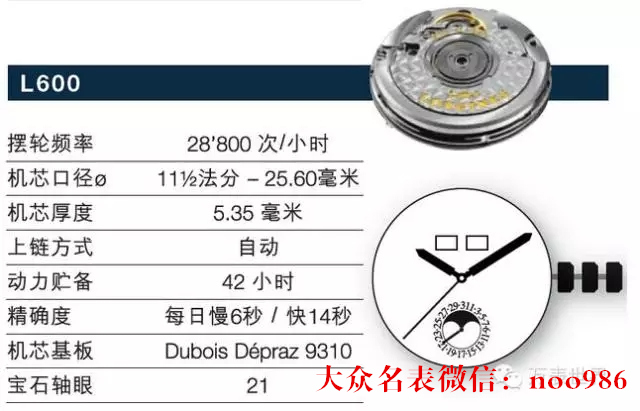
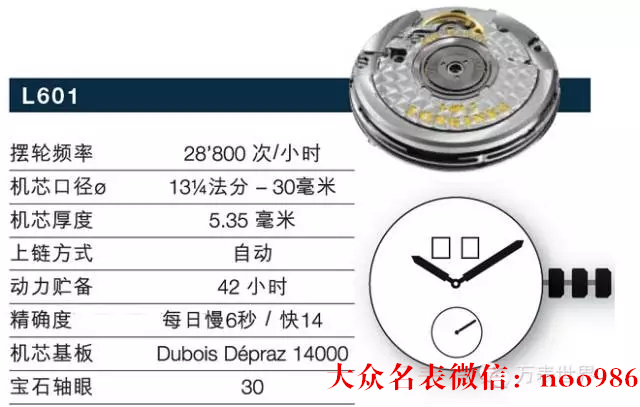
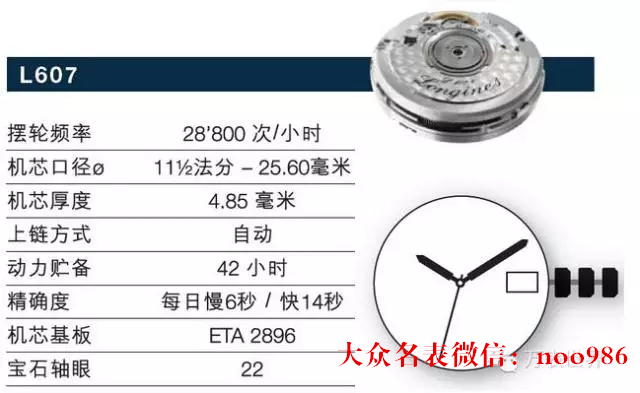
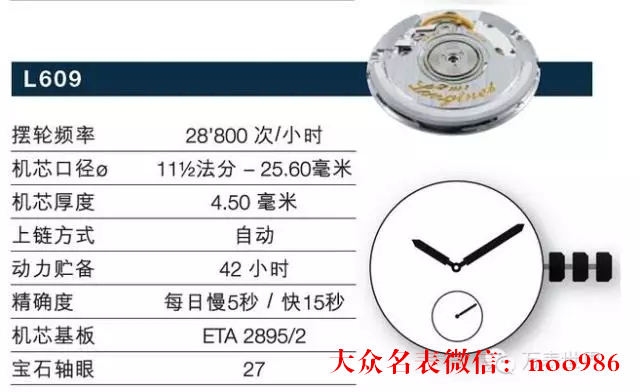
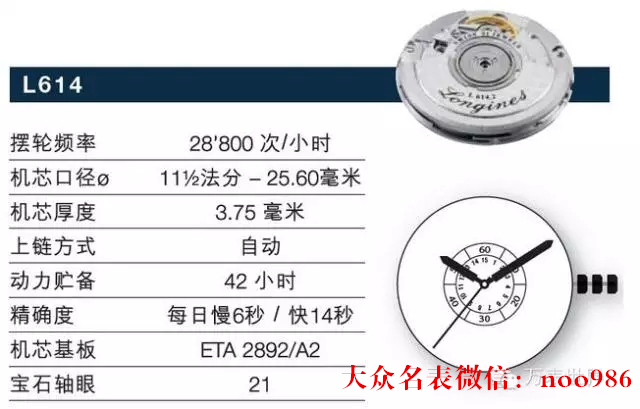
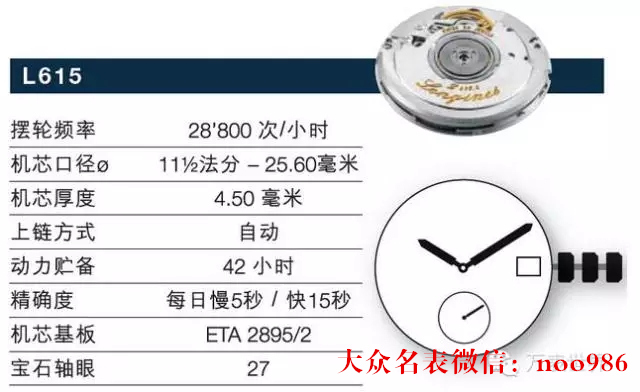
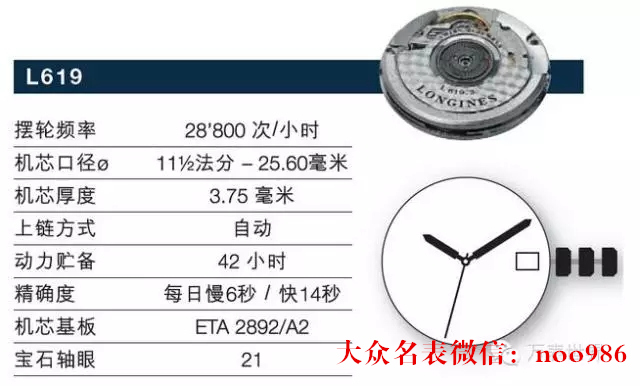
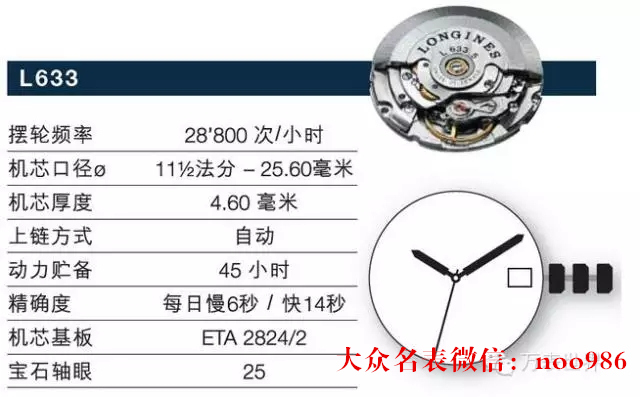
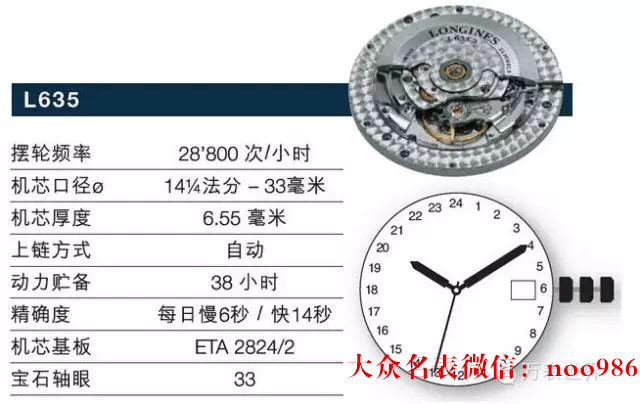
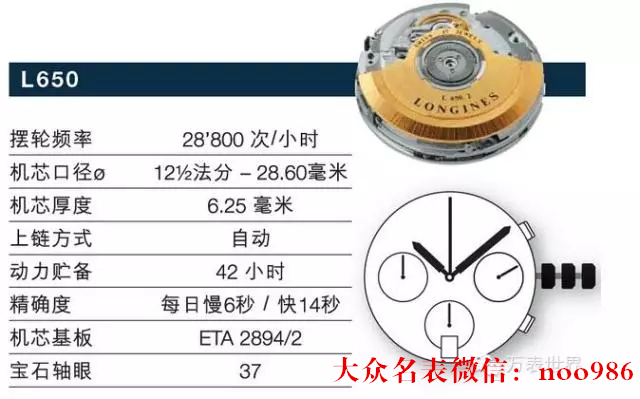
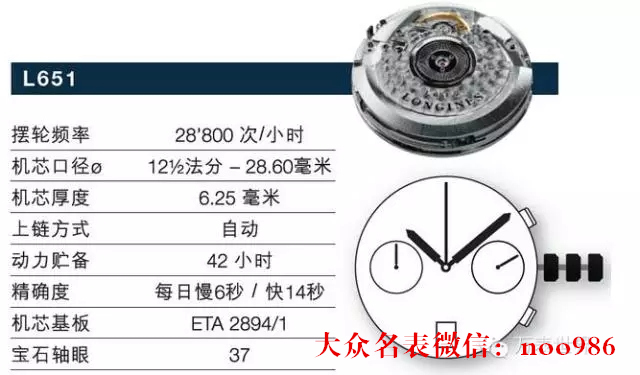
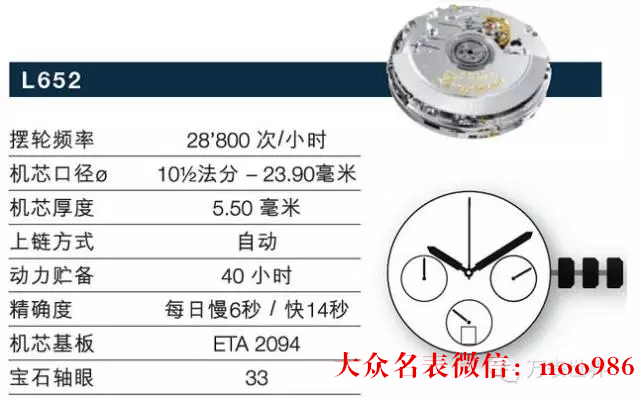
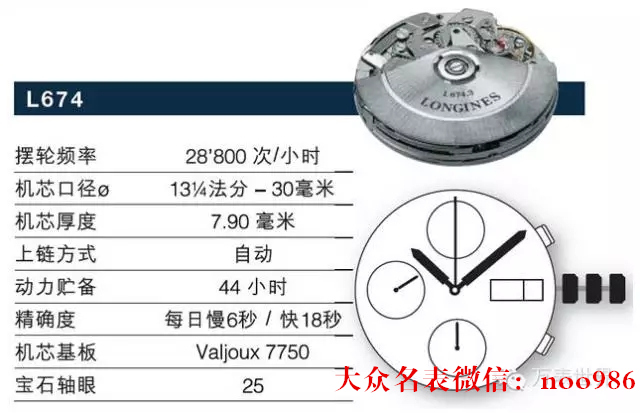
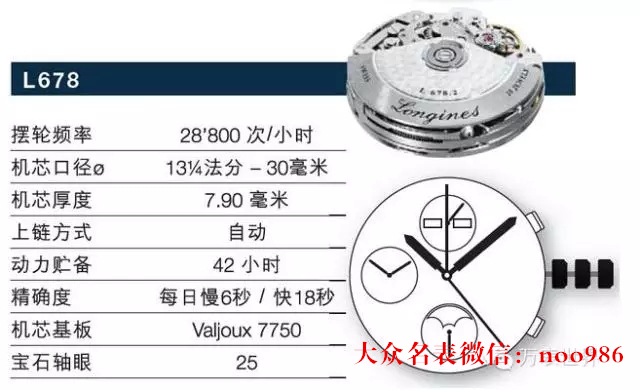
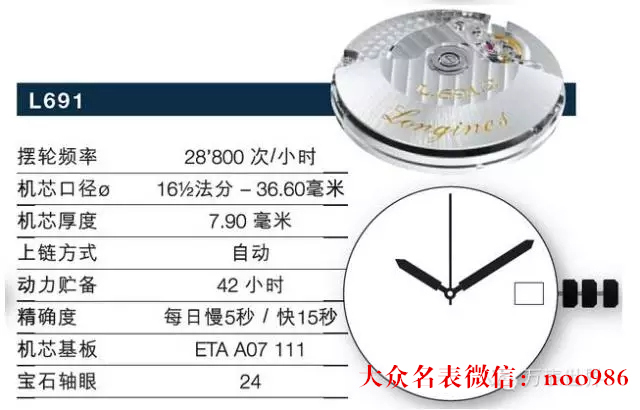
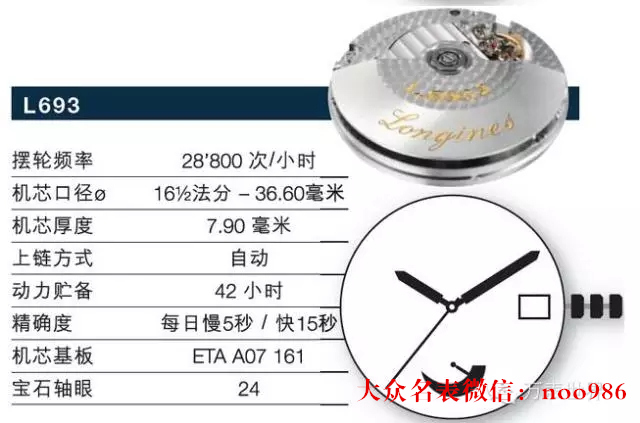
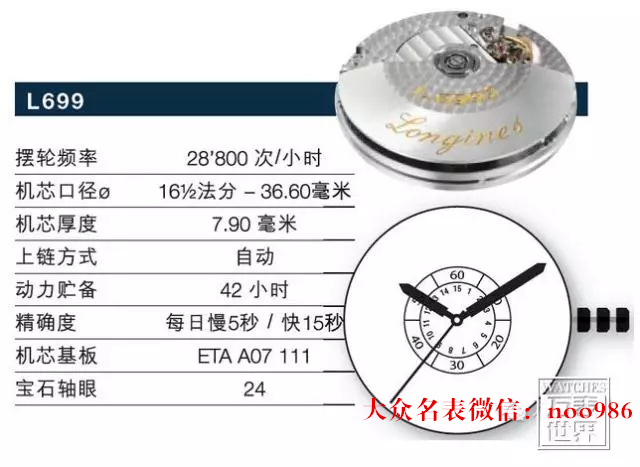
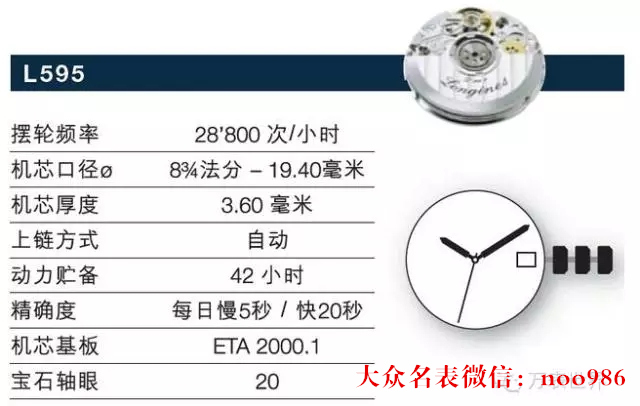
All current Longines movements are finished and decorated upon standard ETA base calibers. Below is a collation table mapping Longines’ internal caliber codes to their corresponding original ETA base movements. You may check which movement powers your Longines watch. Matching movement schematics and Longines dial functional design drafts are attached in the illustrations below.