Not long ago, Karl Lagerfeld dominated headlines everywhere, yet few people knew that another towering figure in watchmaking passed away around the same time: Hisaya Nakamura.
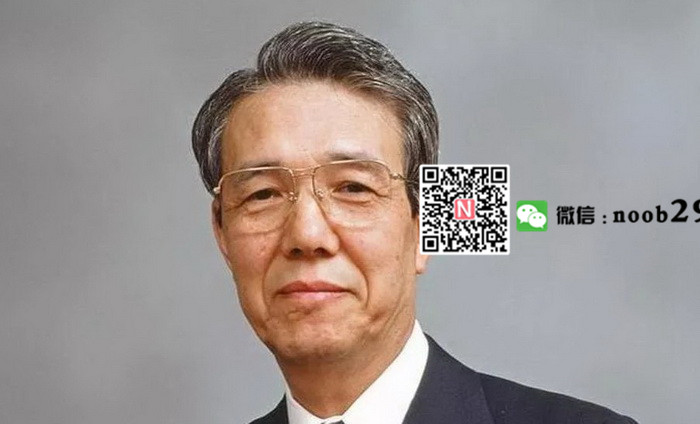
Hisaya Nakamura
Hisaya Nakamura was a renowned Japanese watchmaker who built Seiko’s glory in modern horology. He ranks among the most influential figures in the watch industry of the 20th century. His funeral was held in Nagano Prefecture, Japan, earlier this month. We would like to take this opportunity to look back on the life of this horological giant, through which we can glimpse the twists and turns of Seiko and even the global watchmaking industry throughout the 20th century.

Hisaya Nakamura was born on March 8, 1923. In the 1940s, he joined Daini Seikosha, one of the two major factories under Seiko. Shortly afterwards, he was transferred to Suwa Seikosha, another watchmaking facility of Seiko. During this period, he remained largely unknown.
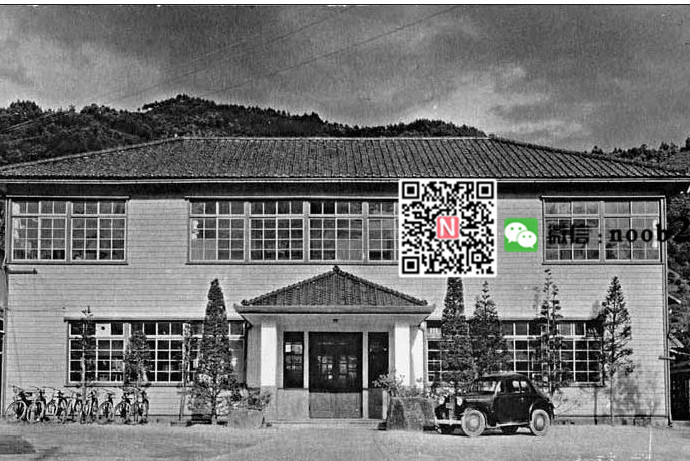
Vintage Photos of Suwa Seikosha
By the 1950s, Japan lay in ruins with its economy stagnant. Watch brands including Seiko were severely affected and struggled to recover. Yet amid this bleak period, Hisaya Nakamura soon demonstrated his extraordinary talent in watchmaking. In 1956, he developed the all-new Marvel watch collection. Equipped with the Marvel movement, the timepiece achieved a qualitative leap in timekeeping accuracy. It dominated Japan’s national watch competitions for successive years. Thanks to the Marvel series, Seiko staged a remarkable comeback and embarked on its path of brand rise.
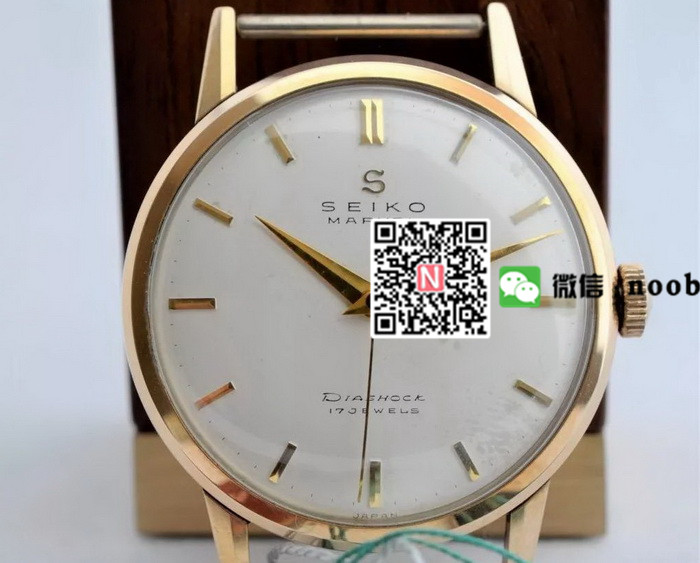
Early Seiko Marvel Collection – Note: The name has no connection to Iron Man.
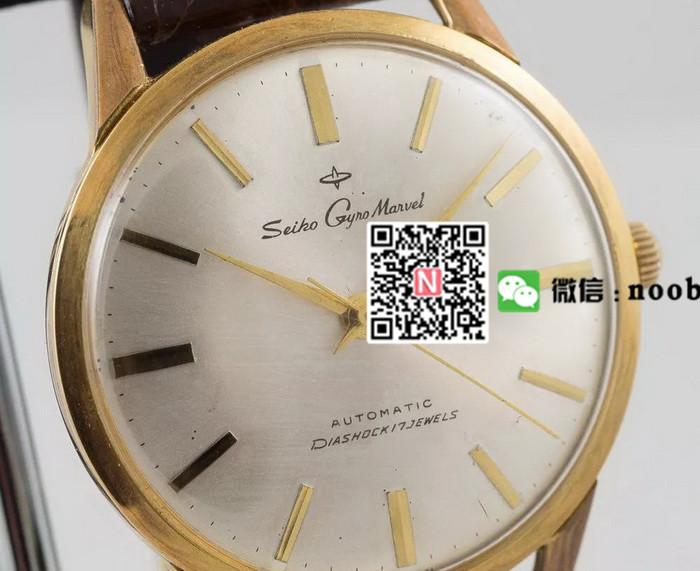
In 1959, Hisaya Nakamura pushed further and released the Gyro Marvel, an automatic watch equipped with the “Magic Lever” mechanism. This device enables bidirectional winding, efficiently transferring generated power to the mainspring and boosting winding speed. Seiko hailed it as “one of the major breakthroughs in modern horology”, and it remains in use to this day.
After this string of successes, Seiko grew ambitious and embarked on an audacious project. The brand planned to assemble its finest watchmakers to craft a “perfect watch” — one that would be the world’s most accurate, durable, legible and comfortable to wear — aiming to shatter the monopoly held by Swiss watchmakers. Having risen to fame, Hisaya Nakamura was undoubtedly the ideal candidate to lead this project.
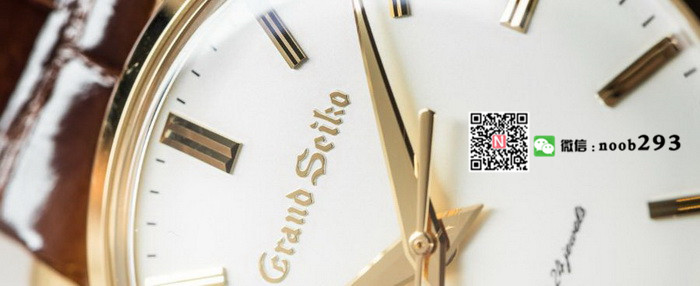
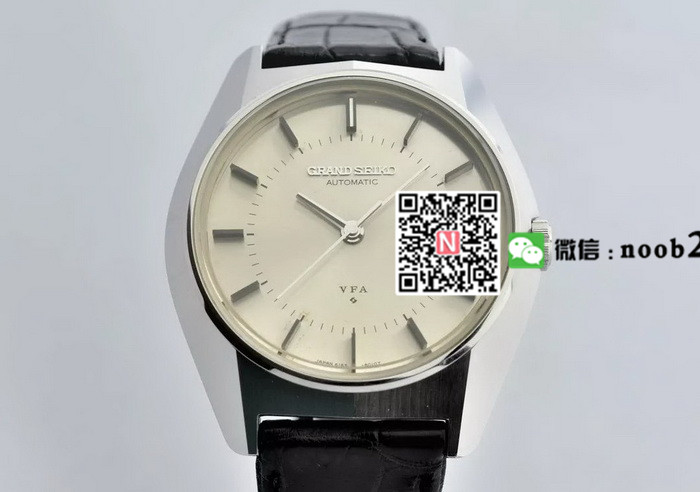
This ambitious project quickly bore fruit. In 1960, Hisaya Nakamura created an entirely new Seiko timepiece and named it “Grand Seiko”. For more than five decades afterward, Grand Seiko has remained Seiko’s flagship collection and earned immense popularity worldwide.
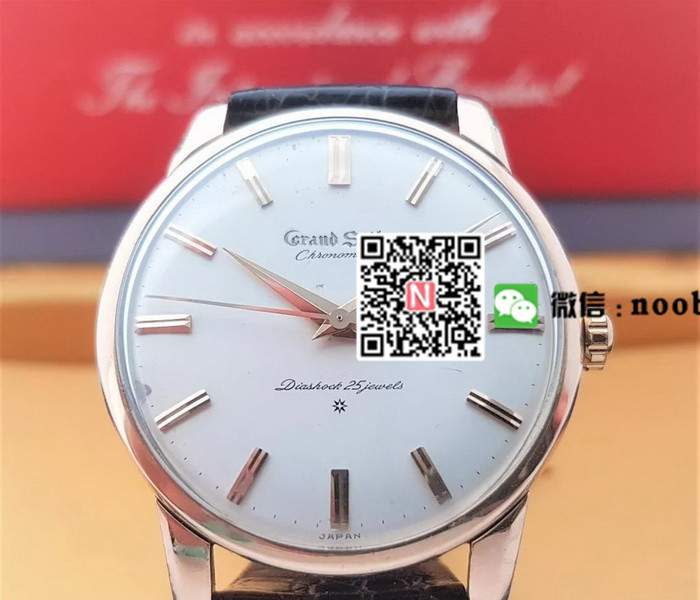
Grand Seiko
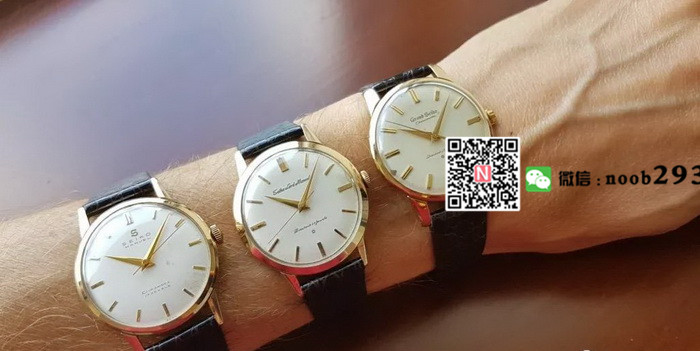
The original Grand Seiko was Seiko’s first chronometer-grade watch. Featuring a three-hand display and powered by the manual 3180 movement, it retailed for 25,000 yen, equivalent to two months’ salary for a professional worker. From that point onward, Seiko gained a competitive contender in the mid-to-high-end watch market.
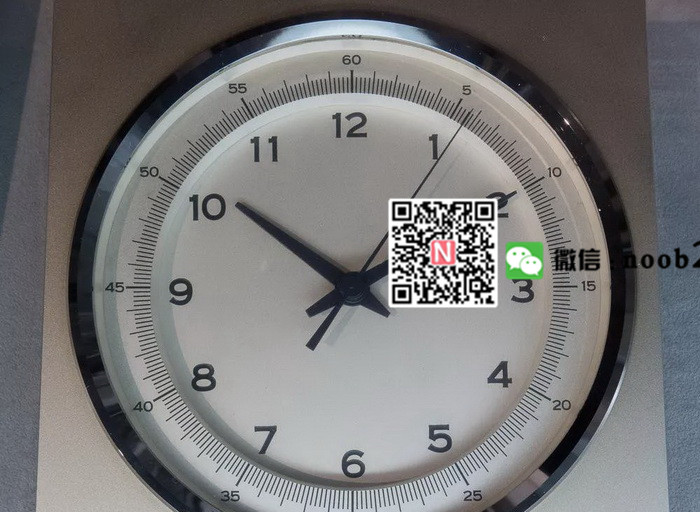
Hisaya Nakamura was far from satisfied. While continuing work on the Grand Seiko line, he assembled a team of top engineers to develop quartz timekeeping devices. In 1963, they created the world’s first portable quartz clock, which entered the Neuchâtel Observatory Competition that year and secured 10th place. Given the modest ranking and the limitation that quartz technology at the time could only be applied to clocks rather than wristwatches, his Swiss counterparts did not yet see the Japanese innovator as a serious threat.
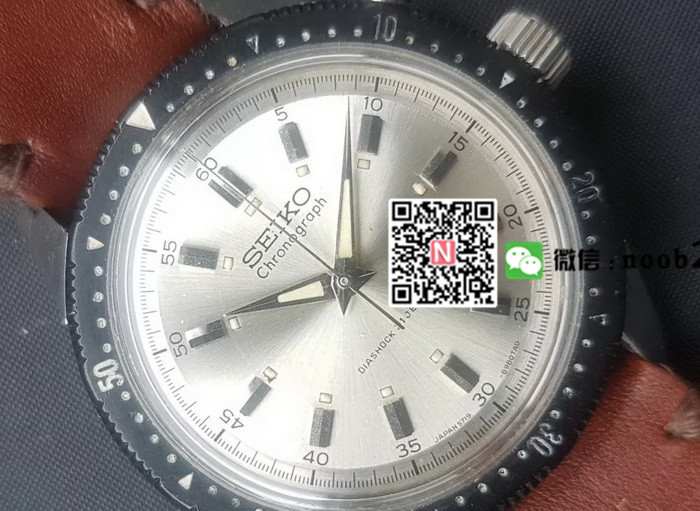
Hisaya Nakamura kept advancing steadily step by step. The 1964 Tokyo Olympics named Seiko as its official timekeeper. Leveraging this event, Nakamura for the first time adopted both quartz and mechanical timepieces for timing, pushing accuracy to an unprecedented level and ushering in a new era of sports timekeeping.
Besides that, his team developed a handy invention for the Games: they fitted a printing unit inside the quartz clock, which could automatically print out results once timing concluded. No one foresaw that this seemingly trivial device would exert tremendous influence in the years ahead. In 1968, Suwa Seikosha drew inspiration from it and created the world’s first digital printer, the EP-101. Then in 1975, the globally renowned Epson was founded. The brand name “EPSON” literally means “Son of EP”.

EP-101
Having made an impressive debut at the Neuchâtel Observatory and delivered groundbreaking timing innovations at the Tokyo Olympics, Hisaya Nakamura gradually proved his capabilities to the world. Yet he had not achieved his ultimate goal: to surpass the Swiss watch industry and create the world’s finest watches. To that end, he and his Seiko team kept pushing forward with intensive research. Meanwhile, the looming crisis went largely unnoticed by their Swiss counterparts.
The breakout moment finally arrived in 1968. At that year’s Neuchâtel Observatory Competition, Seiko took 2nd, 4th and 8th places with mechanical watches. This stunning upset stunned the Swiss. To avoid further embarrassment, the Neuchâtel Observatory Competition was suspended entirely. The results of that competition were only reluctantly announced the following year.
Seeing no further opportunities there, Seiko moved on to challenge the elite at the neighbouring Geneva Observatory Competition. Geneva had no choice but to accept the challenge. However, in an attempt to preserve its reputation, it adopted a controversial rule: allowing quartz watches and mechanical watches to compete side by side. Under this format, the top three positions were swept by the Beta21 quartz watches developed by Switzerland’s CEH (Centre Electronique Horloger), which helped the Swiss retain their status as the leader in horology. Seiko’s submitted mechanical watches claimed the remaining 4th through 10th places. Even so, the result sent shockwaves through the Swiss watch industry.
Yet an even bigger crisis loomed ahead. Hisaya Nakamura had always pursued a dual development strategy: advancing both mechanical and quartz watch technologies. Having outperformed the Swiss in mechanical watch competitions, his team did not stop their quartz research. Nakamura had heavily invested in quartz technology as early as the late 1950s, and the portable quartz clock mentioned earlier was one major achievement.
Two long-standing unsolved challenges restricted the development of quartz wristwatches: size and power. If the device was miniaturized, the battery drained rapidly. Without downsizing, the product could only remain a quartz clock rather than a wearable quartz wristwatch. Miniaturization and decent battery life seemed mutually exclusive.
Time waited for no one. As the Swiss were also making progress in quartz watch technology — the aforementioned Beta21 being a major achievement — Seiko’s president grew anxious. He issued an ultimatum to Hisaya Nakamura: by any means necessary, the team had to create the world’s first practical quartz wristwatch before 1970. To support the mission, he assembled every available engineer for Nakamura to tackle the technical challenges together.
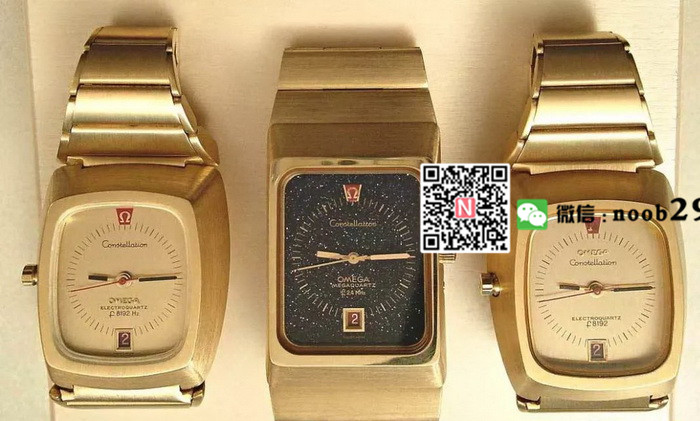
Finally, on December 25, 1969, Hisaya Nakamura and his team delivered beyond expectations, unveiling the world’s first practical quartz wristwatch — the Astron. It triggered the Quartz Crisis that swept across the entire watchmaking industry. The team adopted a stepper motor to resolve the long-standing power reserve issue for quartz timepieces, setting the technical standard for quartz watches from nearly all major brands for decades to come. Nakamura was 46 years old that year, and his reputation within horology rose to the global pinnacle.
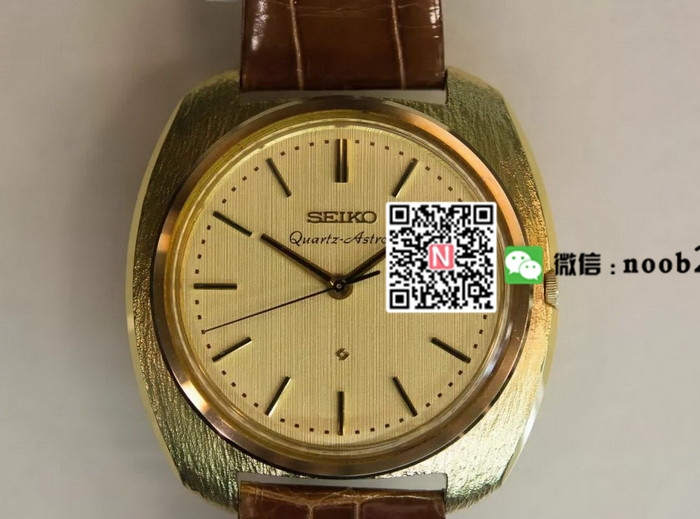
Astron 35SQ
The subsequent quartz versus mechanical watch conflict is a well-known story, so I will not elaborate further. After this monumental achievement, Hisaya Nakamura gradually kept a low profile. He shifted his professional focus to mentoring younger generations and environmental public welfare.
Suwa Seikosha, where he served for decades, later evolved into Seiko Epson Corporation. Under his influence, the company launched numerous environmental initiatives, including green watchmaking processes, ozone layer protection programs and marine debris cleanup projects. For these efforts, he received several awards from the United States Environmental Protection Agency (EPA).

Aged 64, Hisaya Nakamura became Chairman of Seiko Epson in 1987. He retired in 1994 at 71 and dedicated himself to charitable programs for education, science and music.
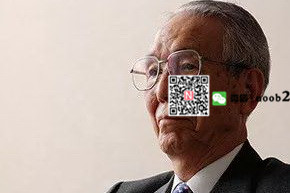
Hisaya Nakamura died on December 25, 2018, aged 95. His burial took place earlier this month in Nagano Prefecture, Japan, the starting point of his career.

Reviewing this horological legend’s life: from anonymity, he rose with Grand Seiko and the Tokyo Olympics, shook the world with quartz watches, and later lived out his years peacefully. His story embodies modern watch history. We may all draw inspiration from it. I sincerely hope China can nurture such outstanding talents and that the watch industry will see more profound changes ahead.