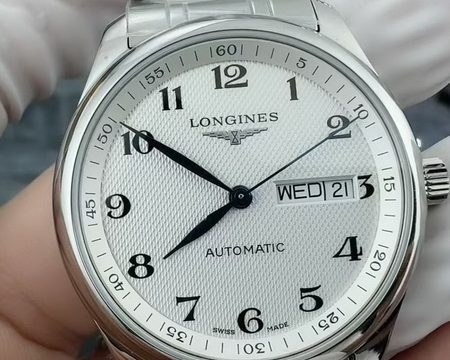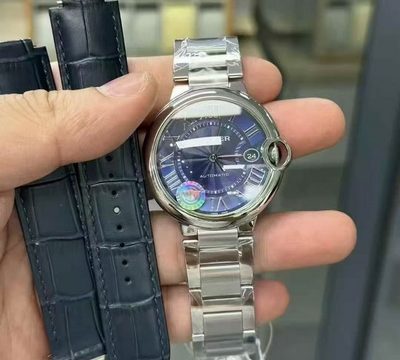
For many new watch enthusiasts just getting into the hobby, movements can be quite confusing. Mall sales associates will go on about Swiss‑made movements, chronometer certification, and how both movements are Swiss and excellent, and so on, leaving customers thoroughly bewildered.
In fact, when people ask whether a watch is good or worth buying, their real concern is usually movement quality. After all, appearance and finishing are visible to the eye, while brand reputation and after‑sales service can be looked up openly. When discussing watch movements, ETA movements are impossible to avoid. Back when ETA movements dominated the watch industry, in‑house movements were far less common. Almost all brands below the tier of Rolex and Omega lacked proprietary movements, and even brands above that tier heavily relied on ETA calibres. This landscape has shifted somewhat today, yet ETA movements remain widespread. As a result, watches powered by ETA movements can range from a few thousand RMB all the way up to over one hundred thousand RMB, and this does not even cover modified movements built upon ETA bases.
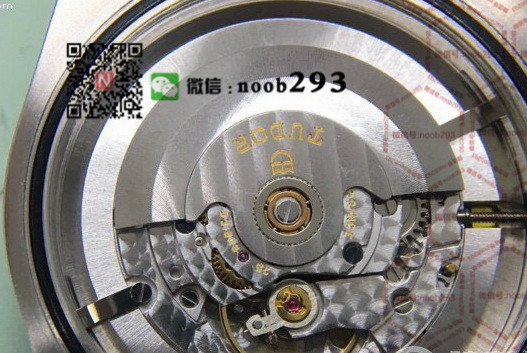
Tudor Black Bay used ETA movements before the brand adopted in‑house calibres.
Even when different brands use the same movement such as the ETA 2824, Tissot models sell for around 3,000‑4,000 RMB, Mido for 5,000‑6,000 RMB, Longines for 7,000‑8,000 RMB or over 10,000 RMB. Tudor retails at 10,000‑20,000 RMB. Baume & Mercier, Montblanc and others fall within the same price bracket. Cartier can go even higher, and some jewellery‑focused watch brands reach 70,000‑80,000 RMB or more than 100,000 RMB. Setting aside those six‑figure timepieces, why is there such a huge price gap among watches ranging from several thousand to tens of thousands RMB that are fitted with “identical” movements?
What is the inherent value of the movement itself?
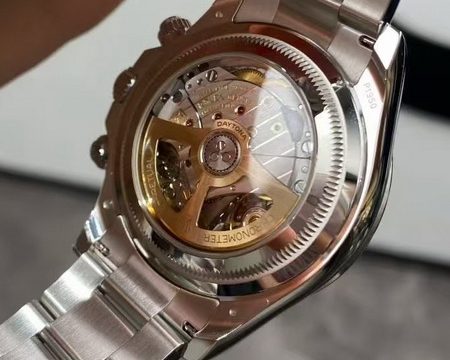
ETA remains the most widely‑used movement platform today. Many common SW movements and other base calibres are essentially derivatives of ETA designs with only minor differences. The most popular ETA calibres include the 2824, 2892‑A2, 7750, 6497/6498 and 2671. Apart from the chronograph 7750, the rest are three‑hand base movements, the most ubiquitous in the industry.
As we know, ETA movements come in different grades, from raw ébauche up to chronometer‑certified level, each with distinct pricing and accuracy standards.
Raw ébauche movements are fitted in entry‑level watches. They receive no rhodium‑plating, zinc‑plating or similar surface treatments, resulting in rough finishing that lacks refinement to the naked eye, and the imperfections become obvious under a loupe. These movements are inexpensive, so watches equipped with them are affordable, obtainable for roughly 3,000‑4,000 RMB. Note that an ébauche is still a genuine original movement; it merely offers lower accuracy rather than poor build quality, and its intrinsic value sits around 1,000 RMB.

Above the raw grade sits the standard grade, the movement tier adopted by most mainstream Swiss watches. Standard‑grade movements receive proper plating treatment and deliver improved accuracy, with a maximum daily deviation of 30 seconds and adjustment in two positions. The movement itself is worth more than 1,000 RMB.High‑grade ETA movements are adjusted in three positions, keeping maximum daily error within 20 seconds, and also valued at over 1,000 RMB.Top‑grade ETA movements undergo five‑position adjustment, with maximum daily deviation limited to 15 seconds. Their value ranges from well over 1,000 RMB to nearly 2,000 RMB.Chronometer‑grade ETA movements are manufactured to chronometer precision standards, adjusted in five positions and meeting the‑4 / +6 seconds per‑day tolerance. These movements cost more than 2,000 RMB.Beyond differences in accuracy and finishing quality across these grades, material variations also come into play, most notably in the alloys used for the mainspring and balance spring.
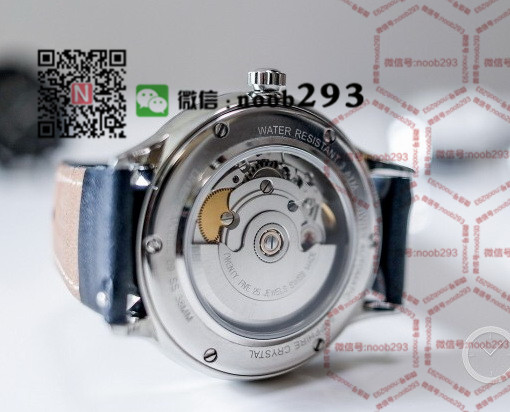
These figures represent the intrinsic value of the bare movement. Ultra‑thin calibres such as the ETA 2892‑A2 command an even higher price. Once these movements are incorporated into branded watches, they receive brand‑specific engravings and finishing modifications according to each brand’s specifications, which pushes costs further upward.
Overall, however, the movement typically accounts for only around 30 % of a watch’s total value, sometimes even less. In other words, between two watches with a 10 000‑RMB retail price gap, the actual difference in movement value may amount to merely one or two thousand RMB.
Why Do Watches With the Same Base Movement Have Such Large Price Differences?
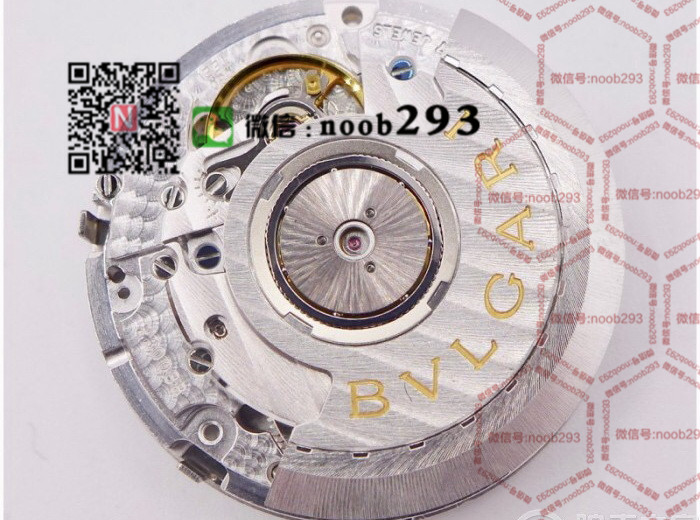
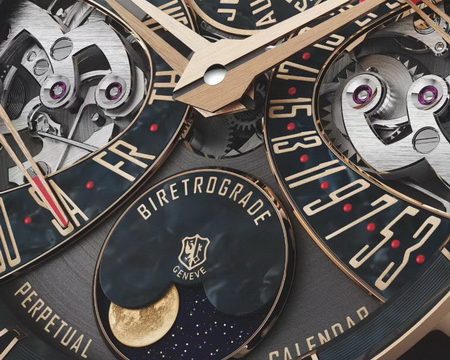
We all know that the movement is the core of a watch, yet it also has inherent value limits. Take the ETA 2824 for instance, excluding modified or module‑equipped variants. Its layout and design are fixed. No matter which brand uses it, differences lie only in accuracy, positional adjustment, material selection or finishing work. Its mechanical structure remains unchanged, with no additional artistic craftsmanship applied. Therefore, the value gap of the movement itself is limited when compared with the retail‑price gap of the complete watch.
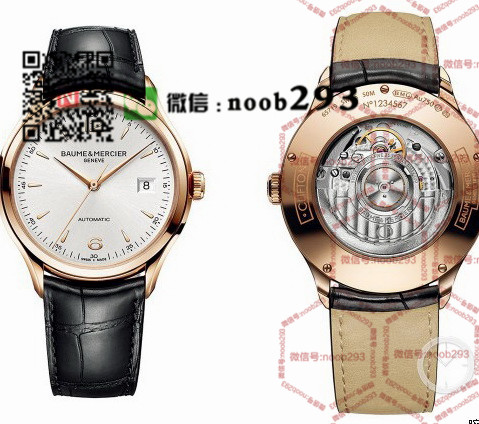
What drives price differences among watches equipped with “identical” base movements lies in the value of brand, features, materials and design. A more premium‑tier brand delivers a greater sense of prestige and superior brand‑service experience, including after‑sales support. Even if you do not buy from an official boutique or never make use of those official services, wearing a watch from such a brand earns you greater social recognition. That is brand added‑value.
Certain functions come from additional modules fitted to the movement, while others stem from external watch‑case design. Dive watches serve as a good example: the movement itself provides no dive‑safety capabilities; those are built into the exterior design. Externally‑added features such as luminous treatment, pulsometer scales, tachymeter bezels and bidirectional rotating bezels require extra components and structural alterations rather than a simple solid‑metal housing. Each of these additions contributes to a higher retail price.
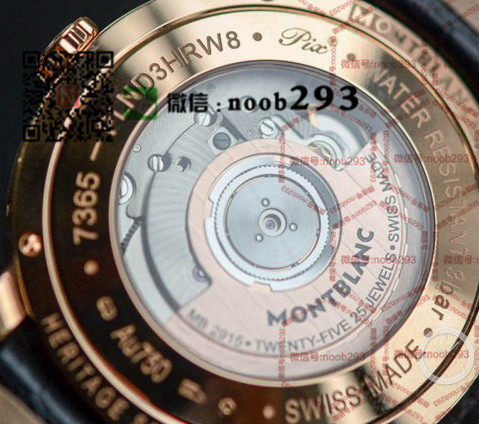
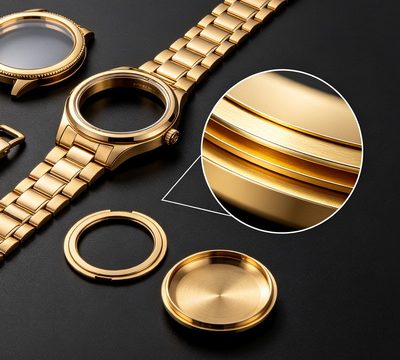
Materials also exert an obvious influence on pricing. Even with identical ETA movements, entry‑level watches may use hollow steel components, whereas high‑end models adopt solid parts with superior craftsmanship and premium‑grade materials, which naturally lead to different price points. When precious metals and gemstones come into play, prices can soar without clear boundaries. It is no exaggeration that on many high‑priced watches, the movement can account for less than 10 % of the total value.
The value of design is intangible yet objectively real. Many watch designs are patent‑protected, and global intellectual‑property enforcement is stringent. Patents prevent other brands from copying certain designs, creating exclusivity. Once a design becomes exclusive, the brand gains pricing power. If you happen to fall in love with a watch you cannot obtain elsewhere, a piece that might otherwise be worth 10,000 RMB can sell for 13,000 RMB and still attract plenty of buyers. You always have the option to walk away, yet many consumers are willing to pay a premium for a design they adore.
This discussion sets aside overhead costs such as brand marketing, labour and retail rent, as those fall outside our main topic.
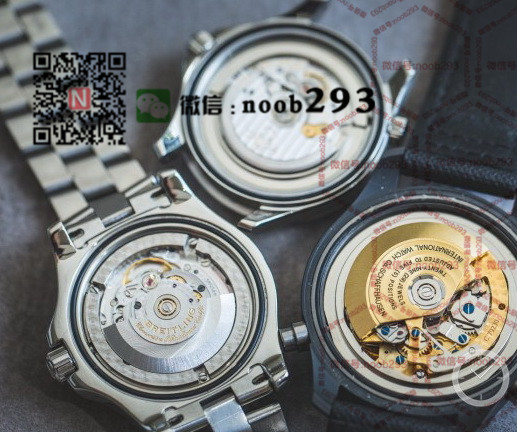
Therefore, for most watches, the movement does not constitute the majority of the watch’s total value. When choosing a timepiece, the movement may even be a secondary consideration — this holds especially true for replica watches. Brand appeal and overall finishing matter more. As long as the watch is fitted with a proven, mature movement, there is no need to over‑obsess over it.